Development Team
Augmentation
We expand your existing engineering capability with experienced developers who integrate quickly and contribute from day one. Our engineers work inside your team's processes, tools and communication rhythms, delivering consistent output during periods of peak demand. Through careful matching and hands-on collaboration, we deliver augmentation that feels like part of your team.


Augmentation That Feels
Like Your Team
[✳]Most team augmentation fails because the engineers feel temporary — they don't understand your codebase context, they're not aligned with your standards, and they leave knowledge gaps. We build augmentation relationships where engineers integrate deeply. Our approach starts by understanding your product, technical standards, and team's working style. We match individual engineers with specific expertise to your exact needs, then onboard them into your daily workflow, review processes, and communication patterns.
Our engineers participate in standups, code reviews, and architecture decisions from day one. They're not external contractors tasking and detaching — they're invested in shipping quality features alongside your team. We've learned that successful augmentation means treating temporary engineers as temporary teammates, not disposable resources. This mindset shift moves the needle on delivery velocity, code quality, and team morale. When engineers feel like they belong, they contribute faster and solve harder problems.

Feature delivery acceleration
Expanding engineering capacity with experienced developers who contribute immediately, accelerating time to market without the 3–6 month hiring delay of internal recruitment.
weeks Time to productive contribution
Engineers with expertise in areas where hiring internally would be time-consuming and expensive, ramping quickly on existing codebases and contributing real features within their first sprint.
Reduced recruitment overhead
Eliminating traditional hiring processes, endless onboarding logistics, permanent headcount planning, and the cost of recruiting specialised talent that may not be available locally.
Code quality consistency
Senior engineers contributing to code reviews, architectural decisions, and technical standards, raising overall team capability and leaving behind knowledge that strengthens your team beyond the engagement.
Our Solutions
[✳]We deliver team augmentation across the full stack, from front-end through infrastructure to specialised domains. Each augmentation type addresses a specific need — whether that's scaling feature development velocity, adding specialised expertise, or providing technical leadership during critical phases. The augmentation profiles below carry battle-tested matching criteria and onboarding patterns that we refine with every engagement. You're not getting generic contractors; you're getting engineers matched to your exact technical and cultural fit.
Works directly on your product roadmap, delivering features alongside your team through standups, code reviews, and design discussions. Removes the "contractor" feeling by embedding engineers into sprint rituals and decision-making. Best for scaling capacity during growth phases, major feature pushes, or competing priorities that exceed existing headcount.


Senior engineers provide architectural guidance, lead code reviews, and set technical direction without managing people. Ideal when your team lacks in-house expertise in a specific domain or you need someone to raise technical standards during a critical phase. Often prevents costly architectural mistakes and accelerates decision-making on complex technical trade-offs.


Specialists in API development, database design, system architecture, and infrastructure work. Covers everything from designing scalable data models to building event-driven systems and optimising query performance. Particularly valuable when your backend work exceeds team capacity or requires specialised knowledge in emerging architectures.


UI specialists focused on design system work, performance optimisation, and implementing complex interfaces. Covers everything from accessibility standards to component architecture to optimising bundle size. Best when your frontend work is lagging behind backend delivery or you need someone who can raise your design system maturity.


Domain experts in machine learning, mobile development, DevOps, security, and other specialised areas. Brings expertise that's hard to hire locally and expensive to train internally. Often deployed for specific initiatives — infrastructure modernisation, security hardening, or machine learning feature development — then transitions knowledge to your team.


Our Expertise
)Team augmentation services work across industries — anywhere that product development, infrastructure work, or specialised technical skills drive value. We've deployed augmentation engineers into fintech trading platforms, real estate management systems, payment processors, and healthcare workflows. The pattern is consistent: technical teams that need capacity expansion, specific expertise, or both.
- Asset Management & Fintech
- Payment Processing & Processors
- Financial Services
- Audit & Assurance
- Healthcare & Life Sciences
- Insurance & Risk Management
- E-commerce & Retail
Case Studies
[3]- Trading App
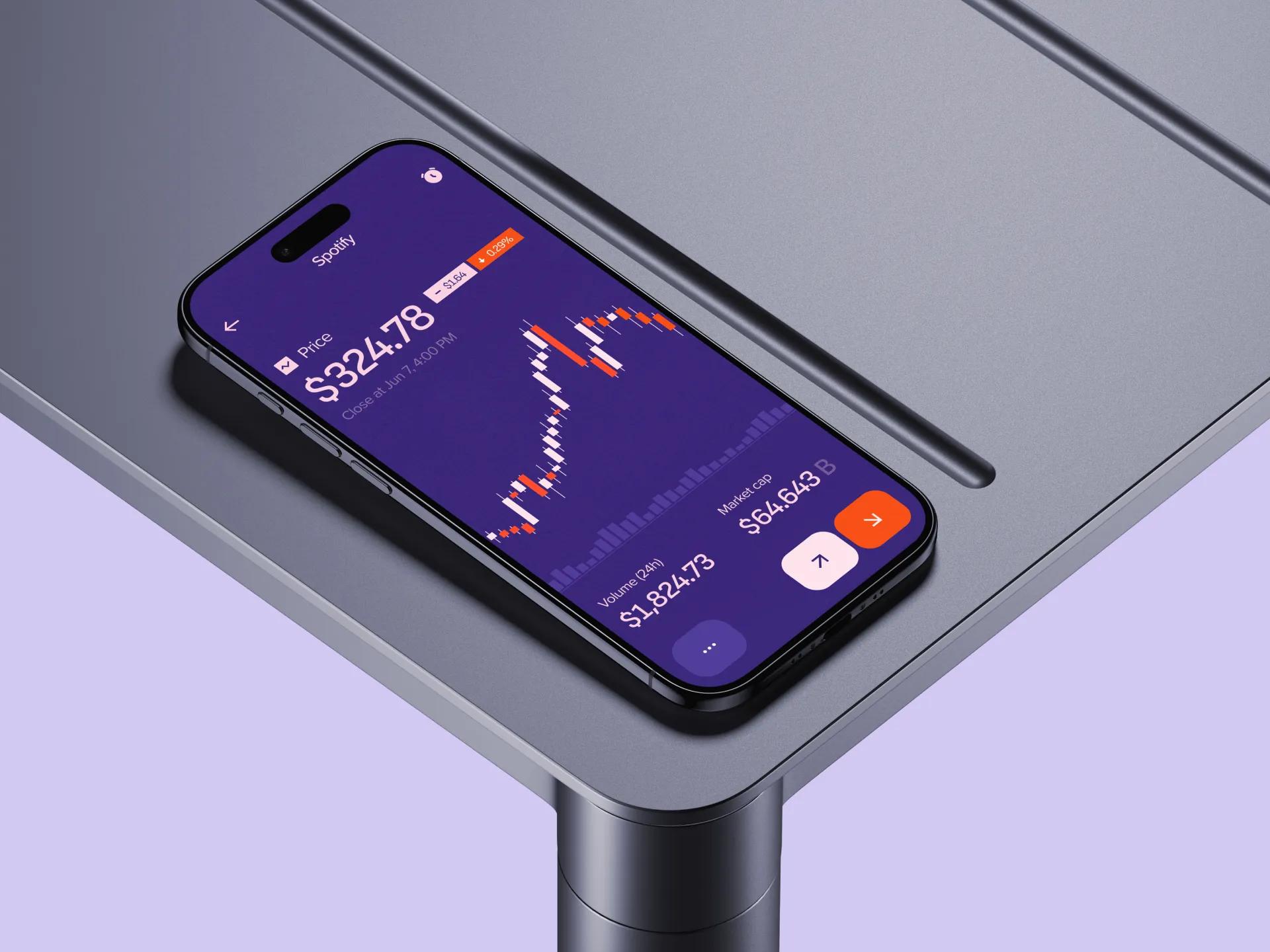
How we built a demo-ready mobile trading app that unifies stocks, mutual funds and bonds in one account for a pre-seed fintech startup, with 100% feature coverage at investor demo.
- Accounting Platform
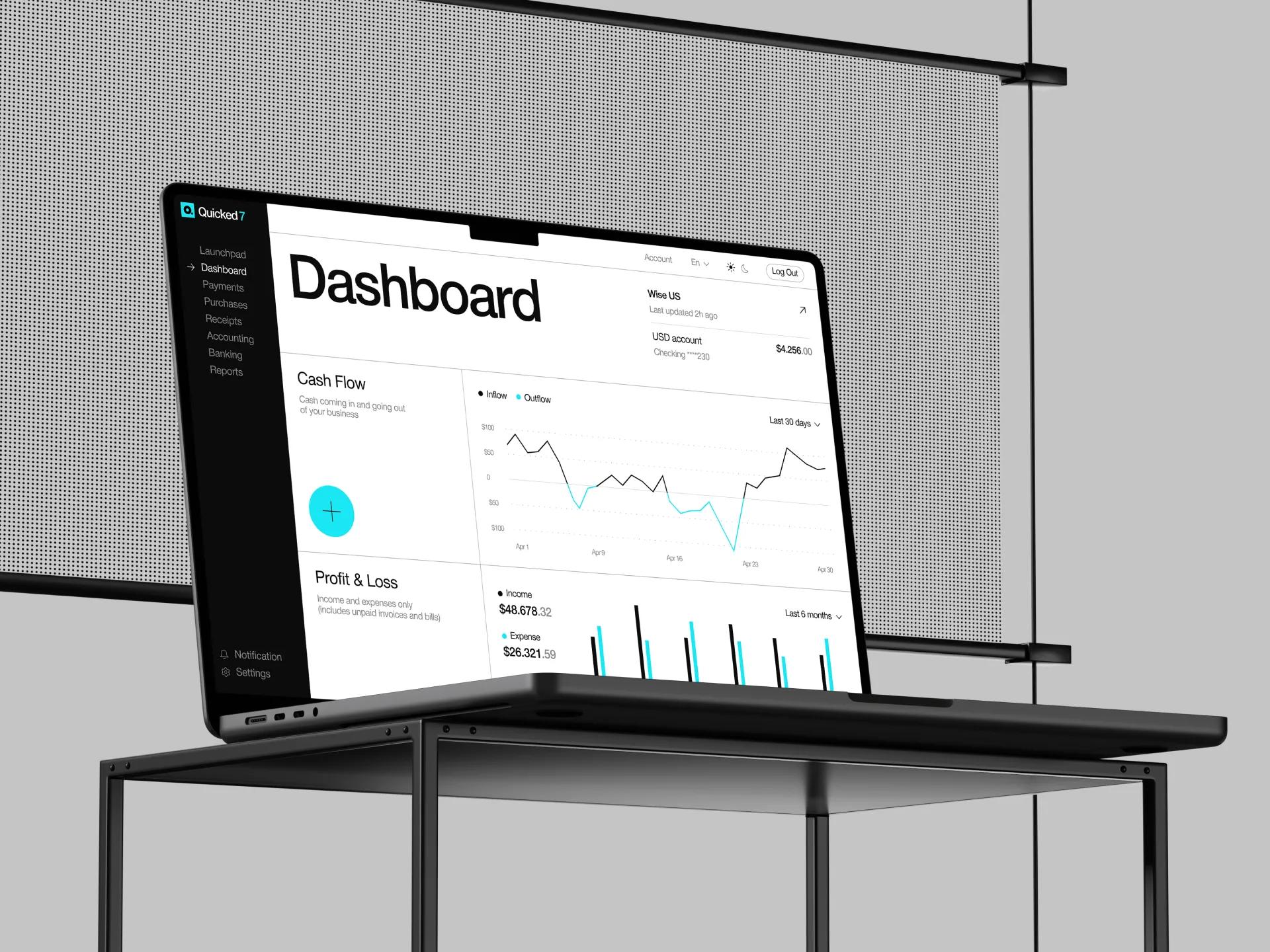
A web-based accounting product for SMBs that consolidates invoicing, expenses, payments and payroll into one real-time dashboard — cutting weekly finance admin from roughly eight hours to two.
- Vorx
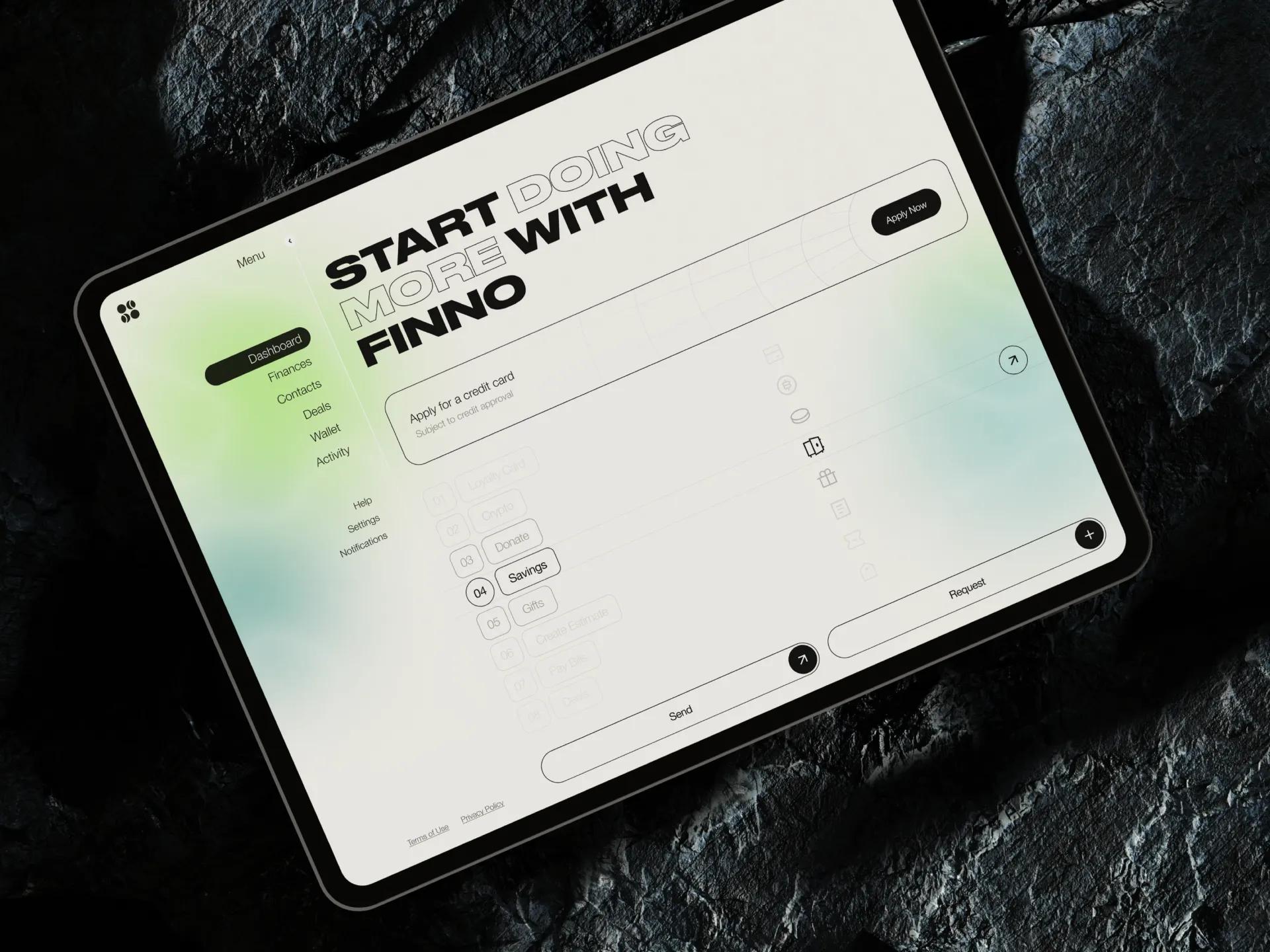
Personal finance account aggregation app
US personal finance platform that unifies bank accounts, creates intelligent budgets, and tracks financial goals through open banking APIs and resilient account-aggregation architecture.

Team and Project
Analysis
[✳]Every team has its own context — different codebases, standards, communication preferences, and technical challenges. Successful augmentation starts by understanding that context deeply. Generic "developers" don't work. We invest time upfront to match the right engineer to the right team, then structure onboarding so they contribute immediately rather than consuming weeks of your team's bandwidth learning systems.












Engagement
Models
[✳]Monthly or Quarterly Retainer
The primary engagement model for ongoing augmentation. Provides committed engineer capacity, predictable monthly budgeting, and the flexibility to adjust allocation as priorities shift. Works best for sustained capacity expansion, continuous feature delivery, or long-term partnerships where team chemistry matters.
Fixed Duration Augmentation
Designed for specific initiatives: a three to six-month feature push, infrastructure modernisation, or scaling during a critical product phase. Provides cost visibility and a defined timeline. Works well when you need capacity for a bounded period and want clear exit planning built in.
Time and Materials (Project Boost)
Best suited for variable-scope work, short-term acceleration, or when you're unsure of total duration upfront. Billing is transparent — you see hours worked, team composition, and allocation. Maximum flexibility to scale capacity up or down as needs evolve without long-term commitment.
Dedicated Engineer Model
A single engineer or small team exclusively assigned to your organisation, working under your technical leadership as a direct report. Works well for ongoing specialised needs, rapid experimentation, or when you want someone embedded in decision-making long-term. Provides the tightest integration and fastest communication.

FAQ
[11]What are the benefits of team augmentation versus hiring?
Team augmentation moves faster than internal hiring. Recruiting, interviewing, and onboarding a permanent engineer typically takes four to eight months. Augmentation places an engineer in two to three weeks. This speed matters most when you're in the middle of a time-sensitive project — you can't wait for hiring cycles to complete.
Cost-effectiveness is secondary but real. You avoid recruiting fees, sign-on bonuses, benefits administration, and permanent headcount planning. You also avoid the mis-hire cost: if an internal hire doesn't work out, you've lost four months and salary. Augmentation gives you the ability to test fit before committing permanently.
Beyond logistics, augmentation is valuable because it's temporary. When engineers know they're there for a bounded period, they focus on delivering and transferring knowledge, not settling in. There's urgency to shipping features and documenting decisions that sometimes gets lost in permanent arrangements.
How does matching work and what determines a good fit?
Good matching is more art than science. We start with technical fit: does this engineer have hands-on experience in the languages, frameworks, and architectural patterns your team uses? That's table stakes. But technical fit alone fails. We also match on team dynamic, communication style, and what the engineer is looking for in an engagement.
An engineer who's used to moving fast in a startup often chafes in rigid, process-heavy environments. Conversely, someone who loves stability and documentation can feel lost in chaotic, low-structure teams. We interview both the engineer and your technical leadership to find the right match. We also look at whether this engineer has worked in similar domains before — someone who has shipped fintech before understands the compliance context and regulatory thinking faster than someone coming from greenfield startups.
The matching process includes a working interview using your actual codebase. We ask them to review a piece of your code, suggest improvements, and explain their reasoning. This surfaces whether they write code your team would respect and whether they think through the tradeoffs your architecture requires.
What support do you provide during the engagement?
We stay involved throughout. We're not a placement agency that hands off an engineer and disappears. We conduct check-ins at day three, day ten, and monthly thereafter. These aren't admin check-ins — they're conversations with your tech lead about whether the integration is working, whether the engineer is contributing, and whether any adjustments are needed.
If something isn't working, we address it quickly. Sometimes that's a communication issue — we help clarify expectations. Sometimes it's a fit issue — we help transition to a different engineer. We also handle administrative tasks: tracking hours, invoicing, extending the engagement when you need more time. You shouldn't have to manage that. You should focus on getting value from the augmentation while we ensure the relationship runs smoothly.
What happens after the engagement ends?
Knowledge transfer starts from day one, not at the end. The engineer documents decisions, code patterns, and design rationale as they work. This isn't a separate phase — it's embedded in their workflow. They're writing README files, architecture docs, and inline code comments that your team will own.
In the final weeks, we structure a formal handoff. The engineer spends time pairing with your team on the systems they built. We run a knowledge transfer session where they walk your team through the architecture, answer questions, and establish patterns for maintenance. We also provide a summary document covering what was built, why certain decisions were made, and what to watch for going forward.
After they leave, you own the code and have the context to maintain it. The engagement ends cleanly, but the work persists.
What if the augmentation engineer isn't the right fit?
We handle this pragmatically. If there's a fit issue in the first two weeks, we address it immediately. That might be clearer expectations, different task assignment, or in rare cases, transitioning to a different engineer. We absorb the cost of replacement if it's our mis-match — not your problem to solve.
Beyond the first two weeks, fit usually isn't binary. There are strong fits and adequate fits. We stay in dialogue with your team. If at any point you feel the fit is off, you tell us, and we work on solutions. If the core issue is that the engineer just isn't right for your team, we transition them out and bring in someone better matched. You shouldn't feel stuck with a placement that isn't working.
How do you handle code quality and standards?
The engineer should fit your standards, not dictate them. In the interview process, we assess whether their code review sensibilities, testing practices, and documentation expectations align with yours. During onboarding, they learn your specific patterns: how you handle error handling, what your API design philosophy is, how you structure tests.
One of the benefits of getting senior engineers is that they raise the baseline. They participate in code reviews, they flag architectural debt, they suggest optimisations. This knowledge transfer happens naturally when the engineer is embedded in your team's review process. By the end of the engagement, your team often has higher standards and better practices, even after the augmented engineer leaves.
What skills and roles are available?
We place engineers across the full stack: frontend, backend, DevOps, QA, mobile, data, security, and specialised domains like machine learning and blockchain. We also place technical leaders — architects, tech leads, and engineering managers for organisations scaling their leadership capacity.
Within each domain, we can be specific. On backend, we can source specialists in databases, APIs, event-driven systems, or cloud infrastructure. On frontend, we can find engineers focused on design systems, performance, accessibility, or specific frameworks. The more specific you are about what you need, the better the match.
What types of engagement models exist and what's the difference?
Retainer engagements are best when you have ongoing capacity needs and want a committed engineer or team. You pay monthly, you know your budget, and you can adjust allocation as priorities shift. Fixed-duration engagements work when you have a bounded project — a specific feature set, a defined timeline, a clear exit date. Time and materials engagements offer maximum flexibility: you pay for actual hours, no long-term commitment, ability to scale up or down as needs change. Dedicated engineer models are best when you want deep integration, direct reporting, and someone invested in your long-term success.
Most organisations use a combination. They might have a retainer for ongoing backend capacity, a fixed-duration augmentation for a specific initiative, and a dedicated engineer for technical leadership. The models aren't mutually exclusive — you can layer them as needs evolve.
How do you ensure scalability and manage growing demands?
Scalability is built into how we work. If you start with one engineer and find you need three, we scale up incrementally. We don't thrust three new people at your team at once — that creates onboarding chaos. We grow capacity carefully, matching each new engineer to your expanding needs and ensuring proper integration at each step.
We also build systems understanding into how your team operates so scaling is possible. When the first augmented engineer documents architecture and establishes patterns, it becomes easier for subsequent engineers to ramp up. If you need five engineers, the second and third come up to speed faster than the first because the foundation is laid.
We've scaled engagements from one to ten engineers working across multiple teams within the same organisation. The key is intentional onboarding, clear ownership, and regular communication about how the work is progressing.
What about intellectual property and knowledge retention?
Any code written during the engagement is yours — that's standard in all our engagements. There's no ambiguity about ownership. The engineer is working for your organisation, under your direction, building your product. Everything they produce belongs to you.
Knowledge retention is a partnership. The engineer should document as they go, not wait until the end. They should write code that's clear and maintainable. They should pair with your team regularly, not siloing themselves. By the time they leave, your team should understand the systems well enough to maintain them independently. This is partly the engineer's responsibility and partly your team's responsibility to engage during the process.
How does augmentation support cost management and scalability?
Cost-effectiveness comes from avoiding permanent hiring overhead. You're not paying for benefits, payroll taxes, equipment, office space, or the recruiting costs to bring someone on permanently. You're paying for hours worked. You also avoid the mis-hire cost: if an internal hire doesn't work out after three months, you've lost time and money. Augmentation eliminates that risk.
Scalability is straightforward: add more engineers when you need capacity, remove them when you don't. Your headcount and budget scale with actual demand, not hiring cycles. You can also target specific skill gaps: if you need backend capacity but not frontend, you augment backend only. This targeted approach means you're spending on what you actually need, not padding headcount across the board.