DevOps Services
We build the engineering culture and tooling that closes the gap between development and operations. From CI/CD pipelines and infrastructure automation to monitoring strategies and incident response frameworks, we help your teams ship faster with greater confidence. Through rigorous process assessment and hands-on implementation, we deliver DevOps practices that reduce release risk, shorten feedback loops and ensure your teams recover quickly when things go wrong in production.


DevOps as Organisational
Capability
[✳]Most DevOps implementations focus on tools—building CI/CD pipelines, setting up monitoring, automating deployments. These things matter, but they miss the point. Real DevOps is about culture: developers responsible for running their code, operations empowering developers to move fast, and both sides aligned on reliability. Our approach starts by understanding your current release process, where bottlenecks exist, and what your teams actually worry about.
We implement tooling that removes toil—automating manual steps, providing visibility into system health, enabling fast deployment and rapid rollback. But we also establish the practices and communication patterns that let developers own their deployments and operations teams focus on enabling speed rather than preventing failure. DevOps transformation isn't just about technology adoption; it's about reshaping how your engineering organisation approaches release management, deployment frequency, and production reliability through continuous integration, deployment automation, and collaborative incident response.

Deployment frequency increase
Building CI/CD infrastructure that lets teams deploy safely and frequently, reducing the friction between code commit and production release through automated testing, build pipelines, and deployment automation.
Lead time for changes reduction
Automating manual steps in the deployment process through infrastructure automation, removing manual configuration and deployment bottlenecks that slow down release velocity and introduce human error.
Mean time to recovery improvement
Establishing monitoring that catches problems early, alerting, and incident response practices that enable teams to respond to production issues faster with structured incident management and observability.
Change failure rate reduction
Implementing testing strategies, safe deployment practices, and monitoring that reduce the risk of failed deployments and production incidents through continuous testing and deployment controls.
Our DevOps Solutions
[✳]We deliver proven DevOps solutions to the recurring problems we are asked to solve. Each was built for a specific client need, then refined through repeated production deployment, so the patterns below carry battle-tested architectures, deployment frameworks, and operational practices that new engagements can build on instead of starting from scratch. These solutions support your teams in establishing DevOps practices that reduce release risk and accelerate delivery through continuous integration and deployment automation.
Automated pipelines that test code changes automatically, build deployable artefacts, and deploy changes to production with minimal human intervention. Integration with version control triggers automated builds and testing, catching issues before they reach production through comprehensive test integration and release automation.


Implements infrastructure-as-code using tools like Terraform and CloudFormation, version-controlled, tested, and deployed through the same pipeline as application code. Infrastructure automation removes manual provisioning, ensuring consistency across environments and making infrastructure changes auditable, repeatable, and safe through infrastructure automation and version control.


Comprehensive monitoring that tracks application performance, infrastructure health, and business metrics. Rapid detection of problems with alerting and observability platforms that provide visibility into system behaviour, enabling faster incident detection and root cause analysis through centralised monitoring and dashboards.


Incident response procedures, on-call schedules, and runbooks that guide teams through common problems. Incident reviews capture learning and drive continuous improvement, establishing a culture of reliability through structured incident management and post-incident reviews that reduce repeat failures.


Centralised logging and distributed tracing that allow teams to understand what happened during incidents. Log aggregation platforms and tracing systems provide the visibility needed for rapid troubleshooting, enabling teams to correlate events across services and understand system behaviour through end-to-end visibility.


Where We Work
)Our DevOps services support organisations that require reliable, frequent deployment and fast incident recovery. Clients trust us for DevOps practices that reduce release risk and accelerate time-to-value through continuous integration, infrastructure automation, and monitoring.
- Financial services
- Payments
- Professional services
- Healthcare
- Fintech
- Software development
- High-frequency trading
- Regulatory compliance
- Enterprise systems
- Cloud infrastructure
Case Studies
[3]- Trading App

How we built a demo-ready mobile trading app that unifies stocks, mutual funds and bonds in one account for a pre-seed fintech startup, with 100% feature coverage at investor demo.
- AI-Driven Compliance Monitoring Software
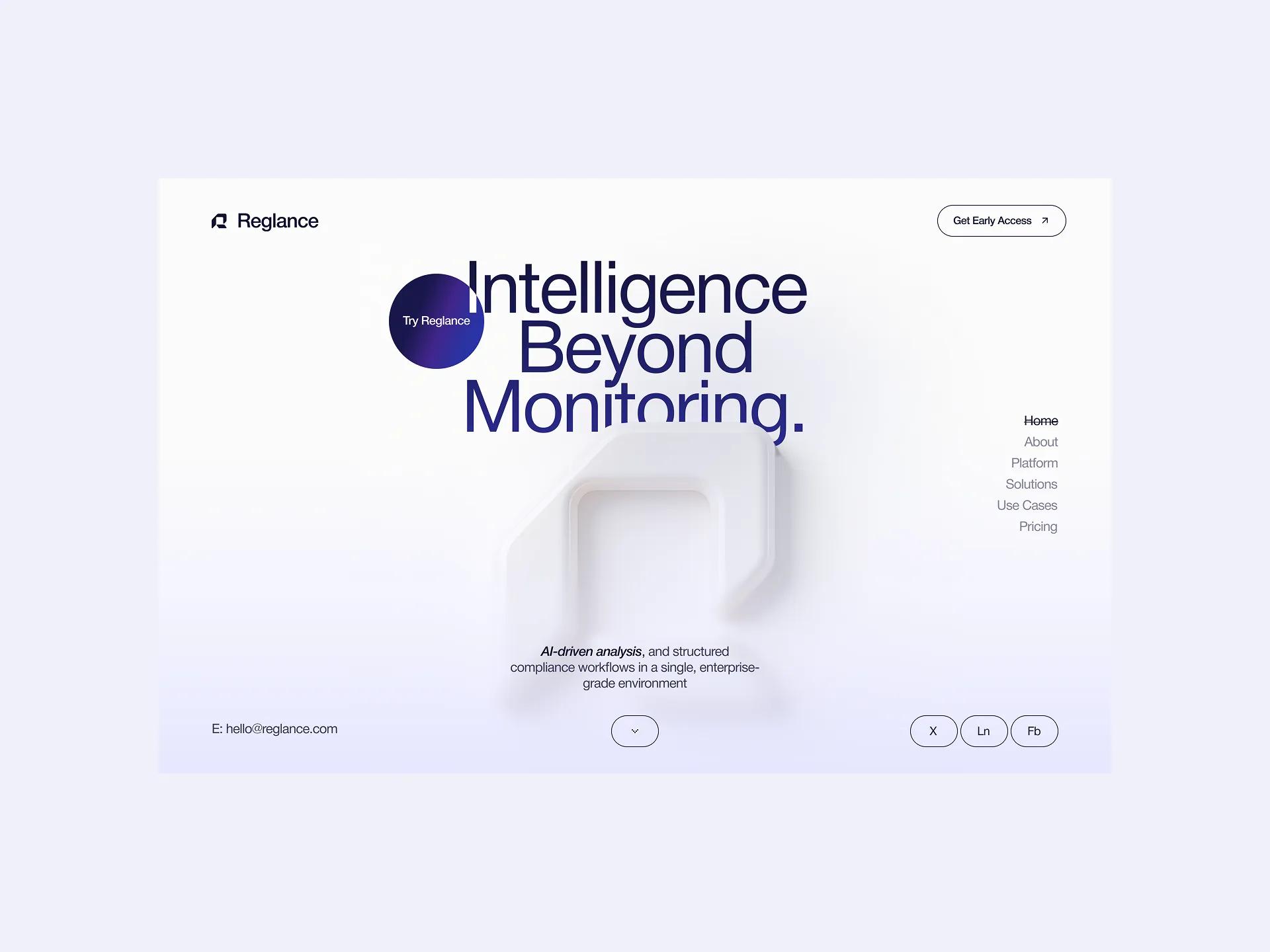
How we built an AI-driven compliance monitoring platform that reduced detection time from 28 days to 3 — covering 80+ sources across 37 jurisdictions and 21 languages for a leading European payment processor.
- Quicked7
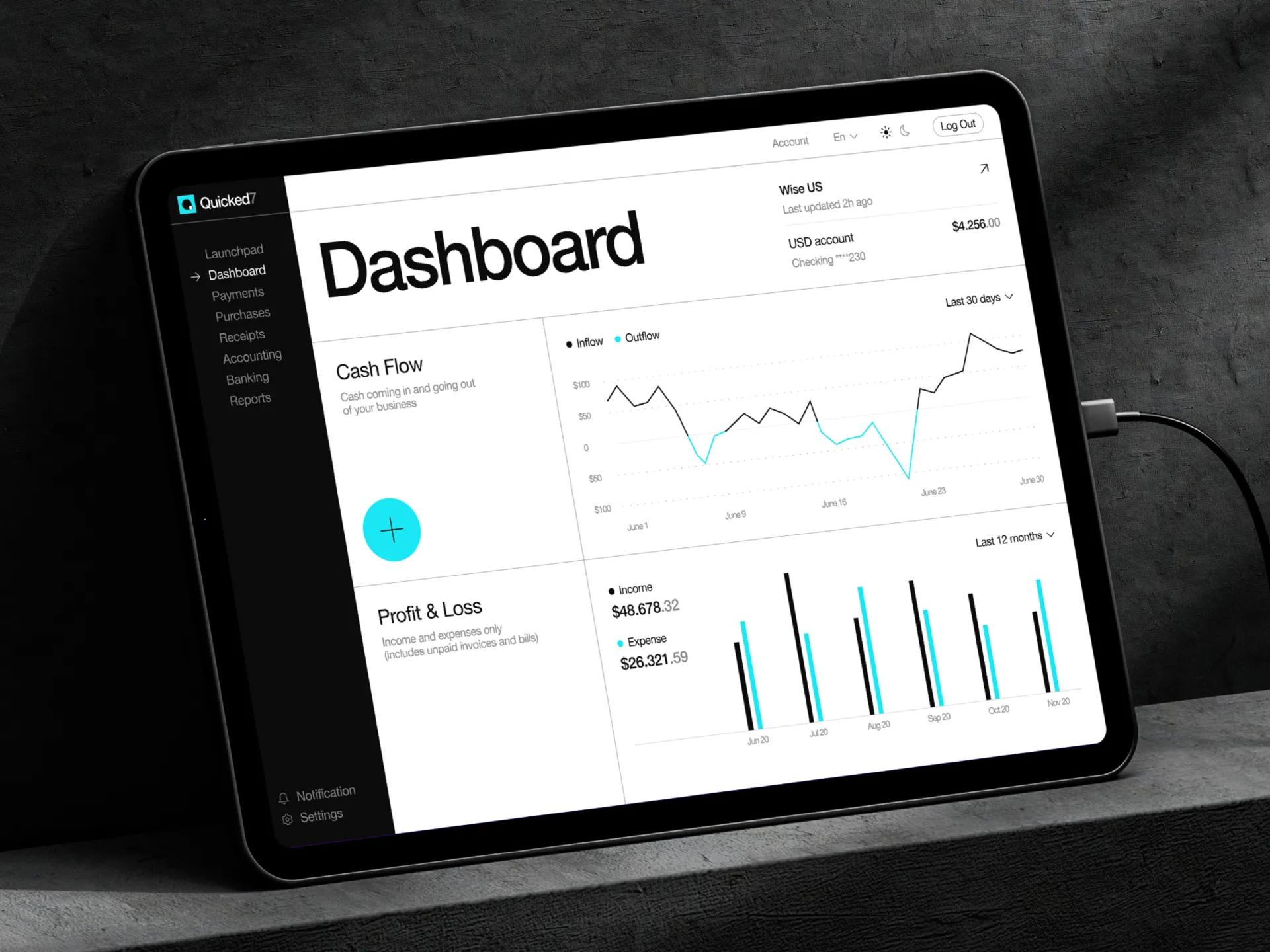
Automated bookkeeping and invoicing platform
UK SaaS platform for freelancers that automates bank reconciliation, invoice generation, and payment tracking without requiring users to understand accounting concepts.

DevOps Implementation
Framework
[✳]Every DevOps transformation is unique. Your current release process, the tools you run, the constraints your teams face—none of it matches a template. Building DevOps practices that actually work requires understanding your specific context and bottlenecks, not applying generic recommendations or assuming that newer tools will solve your problems.












Engagement
Models
[✳]Monthly or Quarterly Retainer
The primary engagement model for ongoing DevOps improvement and implementation. Provides dedicated team capacity, predictable budgeting, and priority scheduling. Works best for continuous CI/CD development, infrastructure automation expansion, and long-term partnerships where deep knowledge of your systems drives efficiency in implementation and optimisation.
Fixed Scope DevOps Project
Clearly defined DevOps projects with specified deliverables, scope, timeline and budget certainty. Ideal for focused initiatives like CI/CD pipeline implementation, infrastructure-as-code migration, or monitoring and observability platform setup. Concludes with documented deliverables and handoff to your internal team for ongoing operations.
Time & Materials (Project Boost)
Best suited for short-term DevOps acceleration, variable scope projects, or specific expertise needs. Billing is based on actual hours worked with complete visibility into team composition and time allocation. Maximum flexibility to scale capacity as DevOps initiatives evolve and priorities shift.
Embedded DevOps Engineer
A senior DevOps engineer embeds within your engineering organisation, working on CI/CD, infrastructure automation, and monitoring as a direct report to your technical leadership. This model works well for ongoing DevOps initiatives, rapid infrastructure scaling, or when you need hands-on guidance on deployment practices and production reliability strategies.

FAQ
[8]How do DevOps services support business agility and transformation?
DevOps practices directly enable business agility by removing friction from the deployment process and establishing reliable release management. When teams can deploy safely and frequently through CI/CD pipelines and deployment automation, product development accelerates and time-to-market improves. DevOps enables microservices architecture by providing the infrastructure automation and monitoring needed to manage distributed systems. Release management becomes faster and safer through automated testing and safe deployment practices. GitOps approaches bring version control discipline to infrastructure changes, making deployments auditable and repeatable. DevSecOps integrates security controls into the CI/CD pipeline so security is built in rather than bolted on. Lean and agile principles guide process improvement, focusing on removing toil and shortening feedback loops. The result is IT value stream acceleration—the entire flow from idea to production value happens faster with less manual intervention and lower risk.
How do DevOps services enable cloud and hybrid cloud integration?
DevOps practices are essential for cloud adoption and hybrid cloud strategies. Infrastructure-as-code and infrastructure automation let teams provision cloud resources consistently and repeatedly without manual configuration. Containerization and Docker enable portable, consistent deployments across cloud providers and on-premise environments. Kubernetes and container orchestration systems manage containerized workloads at scale, automating deployment, scaling, and operations. Helm charts provide templating and package management for Kubernetes deployments. Monitoring and observability across hybrid environments ensure visibility into system health whether services run in public cloud, on-premise, or a mix. CI/CD pipelines orchestrate deployments across cloud providers and on-premise infrastructure. DevOps practices reduce the complexity of cloud adoption by providing the operational discipline and automation needed to manage distributed, multi-cloud architectures at scale.
How do consulting, assessment, and implementation services support DevOps transformation?
DevOps transformation requires more than tools—it requires understanding your current state, defining your target operating model, and having a roadmap to get there. DevOps consulting starts with a maturity assessment that evaluates your current release process, testing practices, infrastructure automation, and monitoring capabilities. This assessment identifies gaps and priorities, informing a transformation roadmap. Implementation services then build the infrastructure and automation needed to execute that roadmap. KPI development ties DevOps improvements to business outcomes—faster deployment, lower change failure rates, faster incident recovery. Infrastructure creation and automation removes manual toil. Infrastructure monitoring provides visibility into system health. The combination of assessment, infrastructure implementation, and monitoring establishment creates a foundation for ongoing DevOps improvement and operational excellence.
How do DevOps services improve CI/CD?
CI/CD is the heart of DevOps. Automated builds triggered by code commits catch issues early through shift-left testing—moving testing left in the process, closer to development. Release-ready builds ensure that every build is production-deployable, reducing deployment friction. AWS Developer Tools and similar CI/CD platforms automate the build, test, and deployment process. Comprehensive testing across unit, integration, and end-to-end levels catches bugs before they reach production. Test data management ensures testing uses realistic, production-like data. Safe deployment practices like blue-green deployments and canary releases reduce the risk of failed deployments. The result is faster feedback loops, lower change failure rates, and teams that can deploy with confidence multiple times per day.
How do specialised approaches like MLOps, GitOps, and SRE improve delivery?
Specialised DevOps practices address specific needs. MLOps applies DevOps principles to machine learning workflows—automating model training pipelines, managing model versions, tracking performance, and establishing governance over production models. GitOps uses version control as the single source of truth for infrastructure and application state, making deployments declarative and version-controlled. Site Reliability Engineering (SRE) brings software engineering discipline to operations—treating operational reliability as a product, automating toil, and establishing error budgets that balance innovation with stability. DevSecOps integrates security into the CI/CD pipeline so vulnerabilities are caught early. Platform engineering builds internal developer platforms that provide self-service infrastructure, deployment automation, and observability, reducing toil and enabling developer autonomy. These specialised approaches extend DevOps principles into specific domains or problem spaces.
How do training and certifications strengthen DevOps capabilities?
Building internal DevOps capability requires training and knowledge transfer. Training covers CI/CD pipeline design, infrastructure-as-code practices, monitoring and observability, incident response, and DevOps cultural principles. Certifications validate team expertise in specific technologies and practices. 24/7 support during implementation transitions expertise from implementation teams to your internal staff. Build pipeline guidance helps your team understand and maintain CI/CD systems after handoff. KPI tracking helps teams measure the impact of DevOps improvements and stay focused on business outcomes. Hands-on knowledge transfer during implementation ensures your team understands not just the "what" but the "why" behind DevOps decisions, enabling ongoing optimisation and capability growth.
How do monitoring, logging, and observability improve performance?
Observability is the foundation of reliable systems. Active monitoring tracks application performance and infrastructure health continuously, detecting issues before users notice them. Log analysis aggregates logs from all services, providing visibility into system behaviour and enabling rapid troubleshooting during incidents. Error tracking identifies patterns of repeated failures. Mean Time To Recovery (MTTR) improves when teams have the observability needed to understand problems quickly. Mean Time Between Failures (MTBF) improves through root cause analysis and fixes driven by observability insights. Self-healing systems use observability data to detect and automatically remediate common issues. The result is systems that are not just faster, but more reliable—users experience fewer incidents and when incidents do occur, teams recover faster.
How does DevSecOps improve security and compliance?
DevSecOps integrates security controls into the DevOps process rather than treating security as a separate gate. Continuous compliance monitoring ensures systems stay compliant with regulatory requirements without manual audits. Vulnerability assessment and scanning runs in the CI/CD pipeline, catching security issues before code reaches production. Penetration testing and security testing validate that systems are actually secure, not just that they follow security rules. Identity controls and access management integrate into infrastructure-as-code so access is managed consistently and auditably. The result is security that moves at the same pace as development—teams don't have to choose between speed and security. DevSecOps enables compliance-driven organisations to maintain security and regulatory posture while deploying frequently and safely.