Fractional CTO /
AI Director
We provide senior technical leadership on a flexible basis, giving growing organisations access to the strategic depth of a CTO or AI Director without the full-time cost. Our fractional executives align technology decisions with business outcomes and mentor internal teams. Through rigorous onboarding and hands-on engagement, we build the technical foundations and decision-making frameworks that allow your organisation to scale confidently.


Executive Technical
Leadership When You Need It Most
[✳]Most growing organisations face the same problem: they've scaled beyond founder-driven technical decisions, but they're not large enough to justify a full-time CTO. Technology decisions get made by default—through vendor preferences, engineering consensus, or external trends—rather than strategy. Our fractional CTO and AI Director model provides senior technical leadership working on your specific timeline. We spend weeks—not months—onboarding to your business, technology, and team.
Unlike consultants who deliver a report and leave, fractional executives remain engaged and hold the organisation accountable. We mentor your internal engineers, establish technical governance, and build practices that allow your team to scale. This is hands-on executive presence, not a slideshow. You get someone on your side who understands the constraints and the trade-offs, who can speak the language of both engineering and business, and who stays long enough to see the consequences of the decisions they recommend.

Coherent technical strategy
Frameworks for technology decisions aligned with business outcomes and capability priorities, replacing ad-hoc choices made by vendor preferences or engineering consensus alone.
Technical capability maturity
Achieved through mentoring internal engineers, establishing best practices, building architectural decision-making processes, and developing the organisational knowledge to sustain them independently.
Reduced technical debt
Thoughtful architecture decisions made early prevent costly rework, keeping the team focused on shipping product rather than fixing brittle decisions made in haste.
Accelerated product execution
Engineering strategy aligned with product roadmap and business goals eliminates waste from misaligned priorities and allows teams to move faster with confidence.
Our Fractional CTO and AI Director Services
[✳]Fractional executives wear many hats. The services below represent the core work we bring to every engagement. Depending on your situation—whether you're scaling engineering rapidly, building an AI programme from scratch, or navigating a technology transition—we focus on the areas where external leadership will have the most impact. These aren't theoretical services: they emerge from the actual problems organisations ask us to solve when they bring us on as fractional CTO or AI Director.
We work with your leadership to articulate a technology strategy that directly serves your business outcomes. This means understanding your capability priorities, your architecture constraints, your vendor dependencies, and the investments that will unlock the next phase of growth. We map the landscape, identify what's working and what's brittle, and build a roadmap that's both ambitious and achievable. The output is a strategy document your board understands and your engineers can act on.


The best technology strategies fail without the right team and culture. We work directly with your engineering leads to establish hiring standards, build code review practices that actually teach, and create architecture decision-making frameworks that push responsibility down to the people closest to the problem. We mentor emerging leaders within your team, helping them develop the judgment to make calls without constantly deferring upward. This is how technical excellence scales.


Technology decisions compound. A choice made now shapes what's possible in a year. We establish a regular cadence of architecture review, examining proposed designs before they're built, testing assumptions, and pushing back when a decision is clever but not right. We do alternative analysis: if you're about to invest in vendor X, we help you think through vendor Y, vendor Z, and the build-vs-buy trade-off. This is where external expertise catches problems internal teams miss because they're too close to the day-to-day.


If AI is central to your future, having someone on your leadership team who understands both the capability and the risks is essential. We assess where AI actually fits in your product and operations, separate from the hype. We build adoption roadmaps, establish governance frameworks, and make sure you're measuring ROI rather than just deploying models. This covers everything from model selection and evaluation frameworks to the organisational structures needed to sustain an AI programme over time.


We've seen organisations lock themselves into expensive, inflexible platforms because the evaluation process was incomplete or the decision-maker wasn't asking the right questions. When you're evaluating vendors or considering a major technology shift, we bring external perspective and experience from dozens of similar projects. We handle the evaluation, the alternative analysis, and the risk assessment. By the time the decision is made, you've tested the assumptions instead of hoping they work out.


Where We Work
)We serve fractional CTO and AI Director roles across a range of industries. The specific problems vary, but the core requirement is the same: technical leadership that understands both engineering and business, at the moment when strategy matters most.
- Asset Management
- Fintech
- Payment Processing
- Financial Services
- Audit & Assurance
- Healthcare
- Insurance
- Professional Services
Case Studies
[3]- Trading App
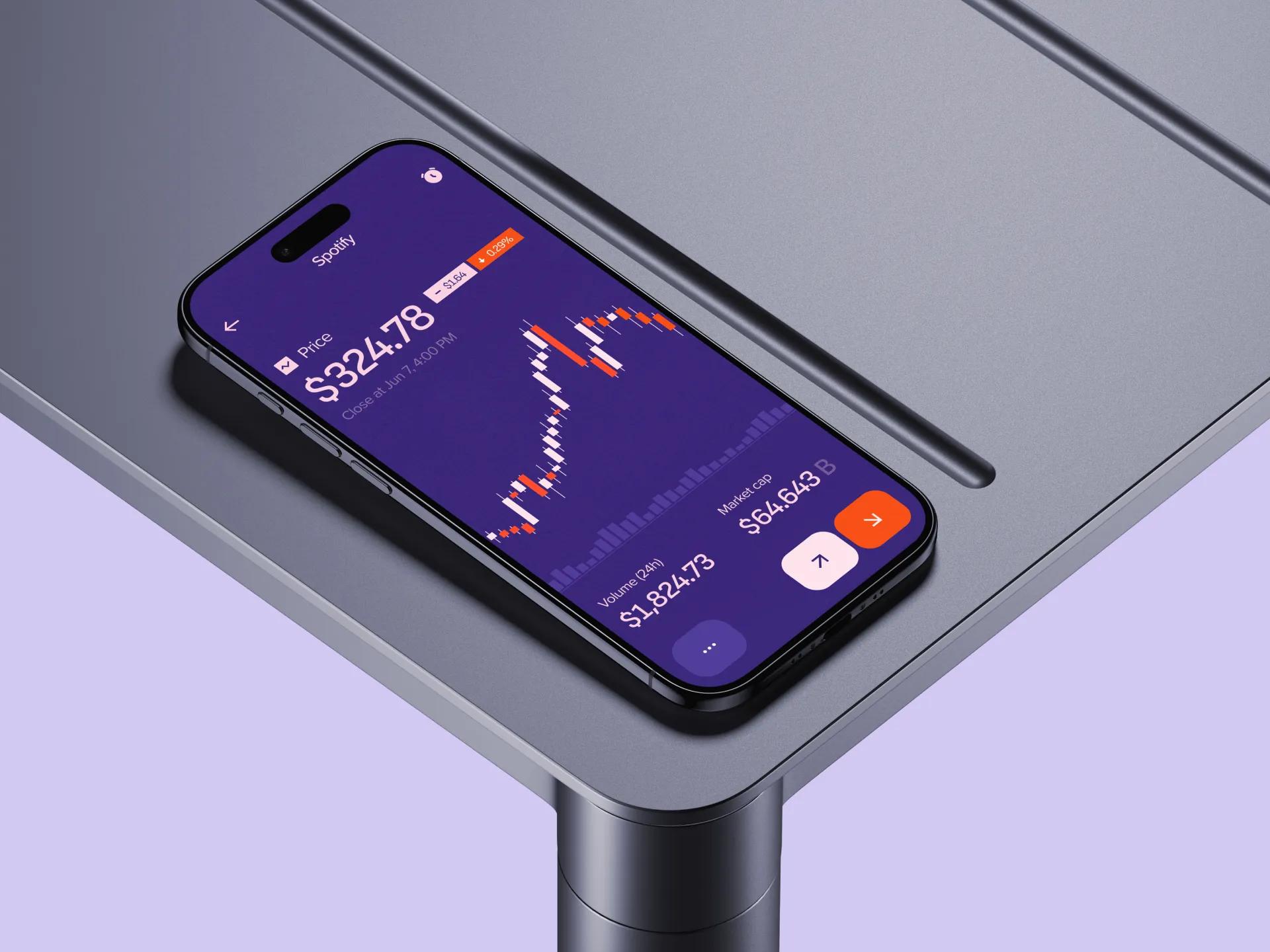
How we built a demo-ready mobile trading app that unifies stocks, mutual funds and bonds in one account for a pre-seed fintech startup, with 100% feature coverage at investor demo.
- AI-Driven Compliance Monitoring Software
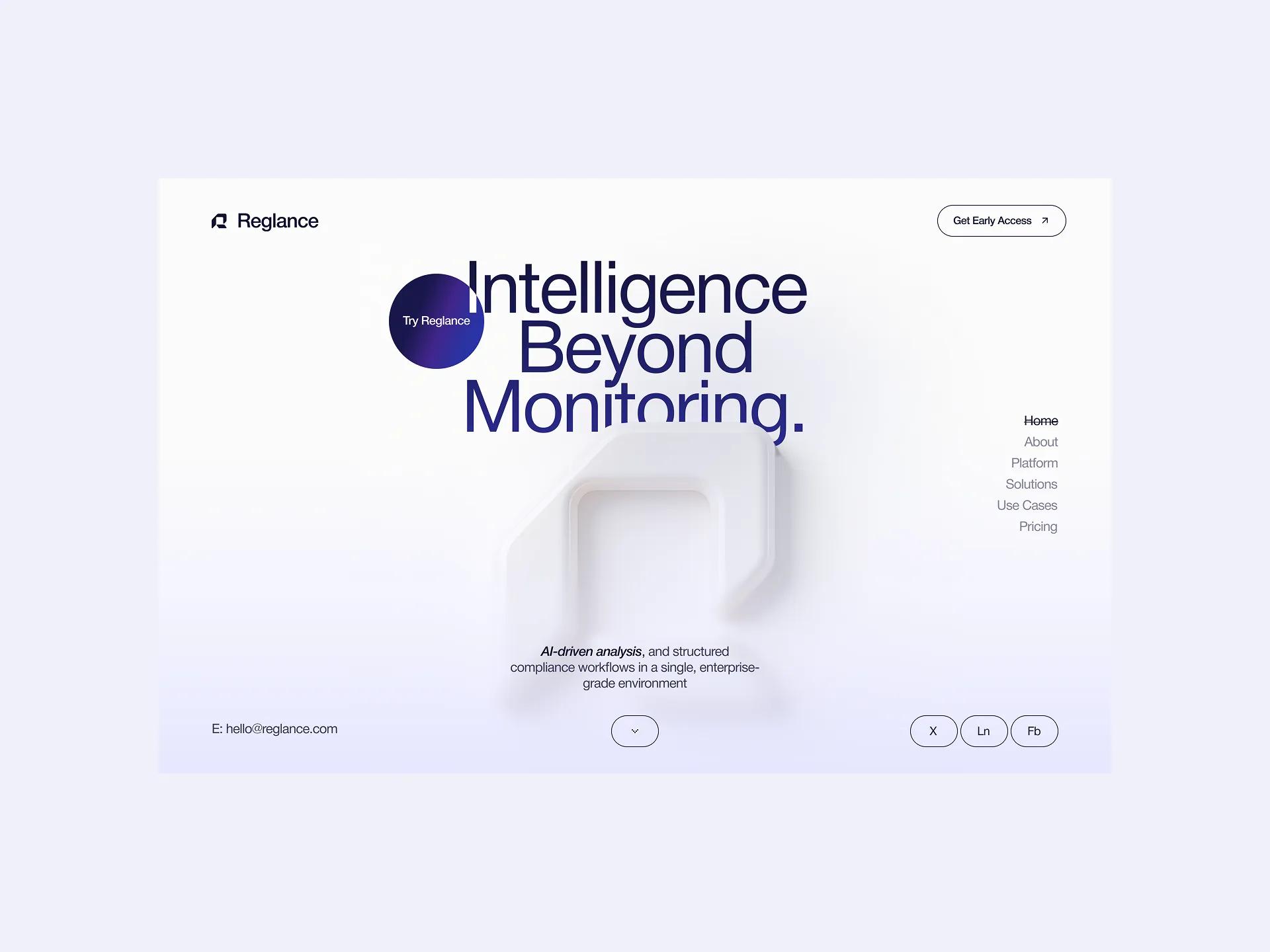
How we built an AI-driven compliance monitoring platform that reduced detection time from 28 days to 3 — covering 80+ sources across 37 jurisdictions and 21 languages for a leading European payment processor.
- Quicked7
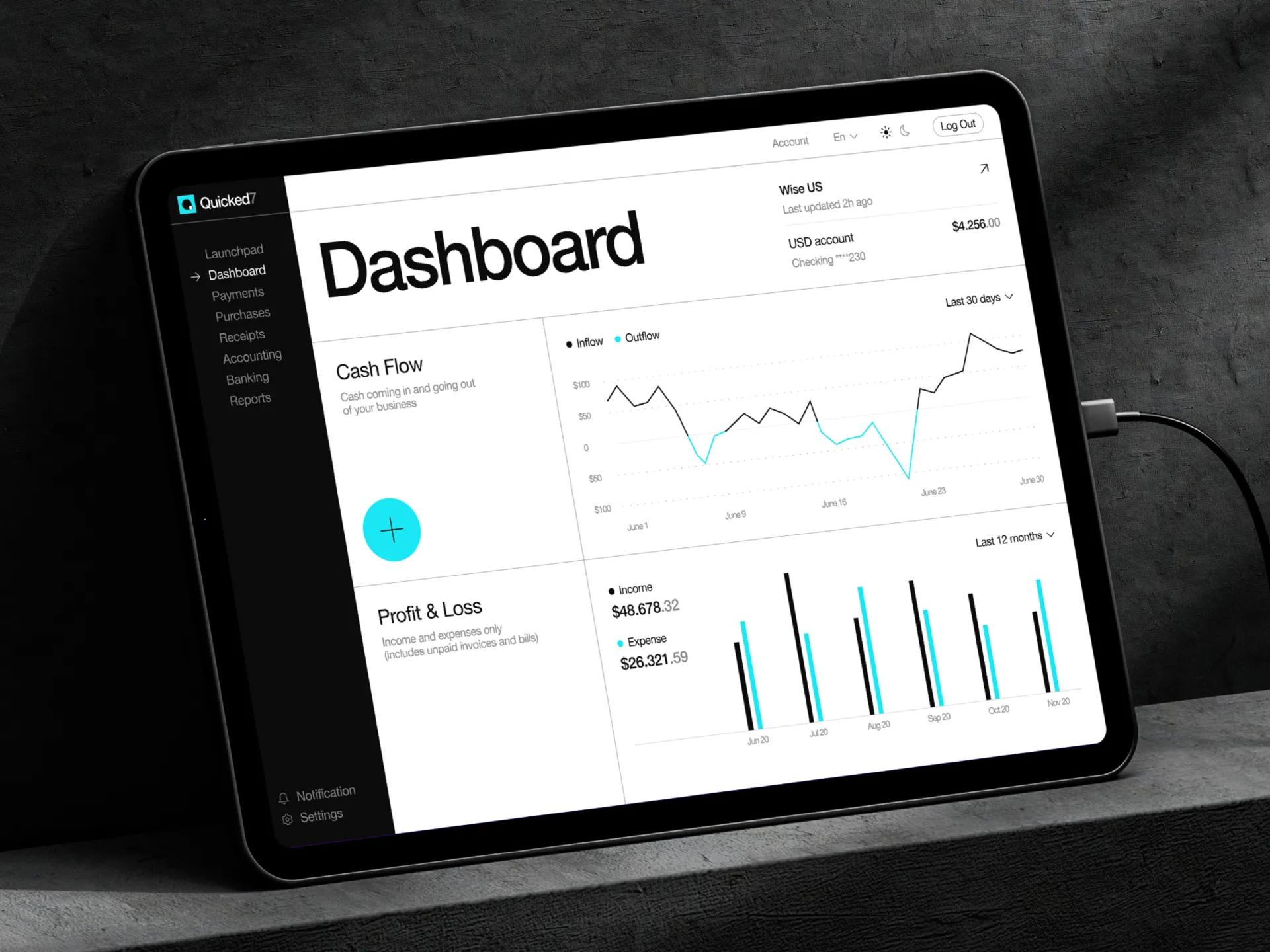
Automated bookkeeping and invoicing platform
UK SaaS platform for freelancers that automates bank reconciliation, invoice generation, and payment tracking without requiring users to understand accounting concepts.
The Fractional Executive Engagement
Model
[✳]Fractional engagement is only effective if both sides are clear about what success looks like and how the work will unfold. We've learned from dozens of engagements that the process matters as much as the individual. Below is how we structure fractional CTO and AI Director work to deliver leadership that sticks.











Flexible Engagement
Models
[✳]Monthly or Quarterly Retainer
The primary engagement model for ongoing strategic guidance, architecture review, and mentorship. Typically 20-30 hours per month, providing predictable access to senior technical leadership. This model works well for organisations in sustained growth phases where you need continuous guidance but not full-time presence.
Part-Time Executive Role
For organisations that need deeper involvement, we embed at 30-40 hours per month, functioning as a CTO or AI Director reporting to your CEO or board. This model is better for periods of significant transformation, major technology shifts, or when building an AI programme from scratch. More hours mean deeper involvement in strategy, team building, and transformation initiatives.
Focused Engagement
A 2-3 month intensive engagement targeting a specific challenge—major vendor selection, architecture redesign, AI roadmap development, or hiring and team building. We establish a clear scope and success criteria upfront. This works well for organisations that don't need ongoing fractional leadership but face a specific decision that requires external expertise.
Embedded Executive Model
For organisations ready to move beyond advice, we embed as your fractional CTO or AI Director, reporting directly to the CEO or board. This is closer to a fractional hire than a consulting engagement, with real decision-making authority and accountability for technical strategy and execution.

FAQ
[9]What are the benefits of hiring a fractional CTO?
The primary benefit is access to executive-level technology leadership without the full-time cost. A fractional CTO brings strategic technology leadership, helps you build a coherent technology roadmap, establishes technical governance, mentors your engineering team, and provides the judgment to make good vendor and architecture decisions. This is particularly valuable for growing organisations that have outgrown founder-driven technical decisions but aren't yet large enough to justify a full-time CTO. Fractional CTOs also accelerate your recruiting: high-performance engineers want to work alongside senior technical leadership. We help you establish hiring standards that attract better people and build a culture that keeps them.
How do fractional CTO services compare with other options?
The landscape includes full-time CTOs, interim CTOs, CTO executive search firms, technology agencies, virtual CTO services, and organisations that try to manage as self-managing tech leaders. Each has trade-offs. A full-time CTO is expensive and permanent; you're committing before you know if you need that level of investment. Executive search is slow—it takes months. Interim CTOs from placement firms are sometimes less invested in your success; they're onto the next gig. Technology agencies and consulting firms often deliver a report and leave. Virtual CTO services are sometimes just renamed consultants. A fractional CTO is engaged, remains accountable long-term, has skin in the game, and costs a fraction of a full-time hire. You get continuity without the expense.
What is a fractional CTO?
A fractional CTO is a part-time outsourced technology executive who works on your schedule and timeline, providing strategic technology leadership, architecture decisions, software development guidance, and cybersecurity oversight. The role is broader than a consultant: you're getting an executive who takes responsibility for technology strategy and execution, not just giving advice. A fractional CTO mentors your internal engineering team, establishes decision-making frameworks, helps with technology selection and vendor evaluation, and provides hiring guidance. They understand technology transformation, can interview candidates, and have the judgment to make calls when the path isn't clear.
How does the engagement model work?
We start with a current state analysis—understanding your technology landscape, team, product, and business. This is typically 2-4 weeks of intensive investigation. From there, we move to as-is process analysis: how decisions actually get made today, what's working, what's brittle. We then produce an organisational review and assessment of where the gaps are. The output is an executable plan: here's what we'll do, here's the timeline, here's what success looks like. This makes the collaboration model explicit from the start. You know what to expect, and we know what we're being held accountable for.
When should a business consider fractional CTO services?
Consider fractional CTO services when you're in a startup growth phase, facing scaling challenges, trying to optimise your technology stack, or transitioning to a new technology paradigm like AI. You might need an interim CTO while you're hiring a full-time one. You might be facing a major hiring decision and want external perspective. You might be trying to build a technology roadmap that actually connects to business outcomes. You might be struggling with technical debt and need help prioritising the work. You might be evaluating major vendors or technology shifts and want expertise in the decision process. You might be building an AI programme and need leadership that understands both the capability and the risks. Any of these situations is a signal that fractional executive guidance will help.
What's different about BN Digital's fractional CTO approach?
We're software engineers and architects first. We've built products, scaled teams, made bad technology decisions and learned from them. We're not professional advisors who've read about CTO responsibilities; we've actually done the job. We stay engaged long-term rather than delivering a report and leaving. We mentor your internal team so they can operate without us. We're direct about what works and what doesn't. And we structure engagements for real impact: measurable outcomes, clear timelines, and genuine accountability.
How do you mentor engineering leads?
Engineering leadership is a learned skill, not something that comes automatically with technical excellence. We spend time with your emerging leaders, reviewing their decisions, helping them think through trade-offs, and building the judgment that separates good engineers from good leaders. We share patterns from other organisations, help them develop communication skills, and give them permission to make decisions without escalating constantly. We also help them build the confidence to push back when they think a decision is wrong, even when it's coming from above.
What happens if the CTO role becomes full-time?
Sometimes fractional engagement is a stepping stone to a full-time hire. We've helped organisations hire full-time CTOs and then transitioned into a advisory relationship. Other times fractional remains the right model long-term. We're clear about this upfront. If you're using fractional as a way to test whether you need a full-time CTO before committing to a permanent hire, we'll structure the engagement to answer that question.
How are costs managed?
Fractional CTO engagements are typically structured as retainers (monthly or quarterly) so you have predictable costs and we have predictable commitment. This is different from hourly consulting, which incentivises the consultant to stretch the work. Retainers align interests: we want to solve your problems quickly so your organisation can operate independently. If you need an intensive focus for a specific challenge, we'll do a fixed-scope engagement with a defined timeline and deliverables.