Web Development Services
We build web applications that address complex operational requirements in regulated industries. From back-end architecture to front-end interfaces, our web developers and solution architects deliver maintainable, scalable solutions aligned with how organisations actually work.


Full-Stack Development
Built for Complexity
[✳]Building web applications that handle complex business workflows is fundamentally different from building consumer-facing products. Your operations team needs reliability, your compliance team needs audit trails, and your infrastructure team needs systems that don't break at scale. After a decade of building web applications for leading financial services, healthcare, and enterprise software companies, we've learned what separates production systems from prototypes. It's not the technology stack or how fancy the architecture looks on a diagram. It's whether the system actually supports how your organisation works, and whether it stays reliable when the data matters.
Our web development process starts with understanding your operational requirements deeply. We evaluate your existing systems, map your workflows, and assess your technical infrastructure before any development begins. We build working prototypes that demonstrate feasibility and de-risk the integration. Rather than hand off a completed project and disappear, we establish handoff processes that enable your team to maintain and evolve the system long-term. If a particular technology or architectural approach won't deliver the reliability your regulated environment demands, we tell you before you've committed to building it.

Feature delivery velocity
Achieved by building shared patterns, clear interfaces between front and back end, and team processes that keep handoffs smooth.
System reliability and uptime
Delivered by rigorous architecture decisions, comprehensive testing and QA, and monitoring that catches problems before users do.
Regulatory compliance and security
Enabled by building backend security and compliance into architecture from the start.
Code maintainability and scalability
Driven by building full-stack solutions where technology choices, code patterns, and team processes all align.
Our Solutions
[✳]We deliver proven web development solutions to the recurring problems we are asked to solve. Each has been built for specific client needs and refined through repeated production deployment, so the patterns below carry battle-tested architectures, clear separation of concerns, and operational guardrails that new engagements can build on rather than starting from scratch. Our solutions handle complexity that standard frameworks struggle with, from regulatory workflows to high-volume data processing, and we adapt them to your specific requirements instead of forcing your problem to fit a template.
Builds application logic that mirrors your actual workflows, from multi-step approval processes and conditional routing to audit trails and compliance-driven state machines. Handles exceptions and edge cases through explicit error handling rather than hoping happy-path code suffices, ensuring the system behaves predictably under real operational stress.


Manages concurrent user access and data consistency across distributed teams, handling conflicts gracefully and maintaining single source of truth even when network latency or offline conditions break typical patterns. Scales from small teams to thousands of concurrent users without sacrificing consistency or requiring teams to manually resolve conflicts.


Connects modern web applications to older systems without replacing them, using adapters and data transformation layers that shield your new system from brittleness in the legacy environment. Handles mismatches between old and new architectures, manages data migration, and ensures cutover doesn't disrupt operations.


Ingests, transforms, and reports on large data sets without blocking operational workflows. Handles batch processing, streaming data, and on-demand reporting through architecture that separates OLTP and OLAP concerns, preventing analytics queries from slowing down live operations.


Builds web applications where server-side rendering, structured data, and content strategy work together to earn organic search visibility. Designs data flows and API contracts so large language models can reliably extract information and execute workflows, enabling integration with AI tools as requirements evolve.


Where We Work
)We build web applications across regulated and complex industries where application reliability and compliance are non-negotiable.
- Asset Management & Investment Funds
- Financial Services & Banking
- Fintech & Payments
- Healthcare & MedTech
- SaaS & Enterprise Software
- Governance, Risk & Compliance
- Retail & E-Commerce
- Real Estate & PropTech
- Travel & Hospitality
- Manufacturing & Industrial
- Education & Non-Profit
- Media & Publishing
Case Studies
[3]- Branding for Digital Bank
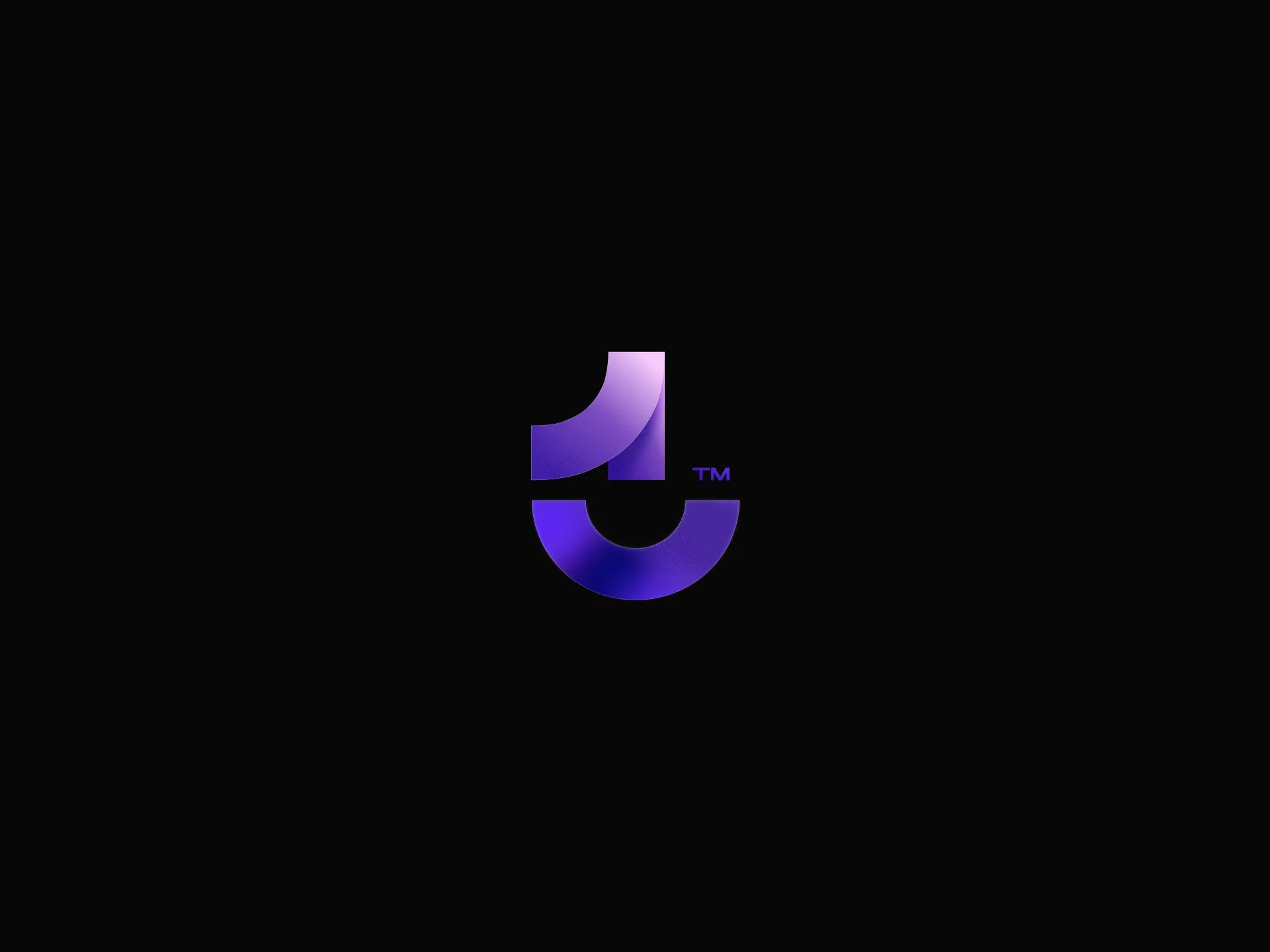
A complete visual identity system — logo, palette, typography, illustration language, and an 80-template application kit — built for a pre-launch European digital bank ahead of its Series A round.
- Accounting Platform
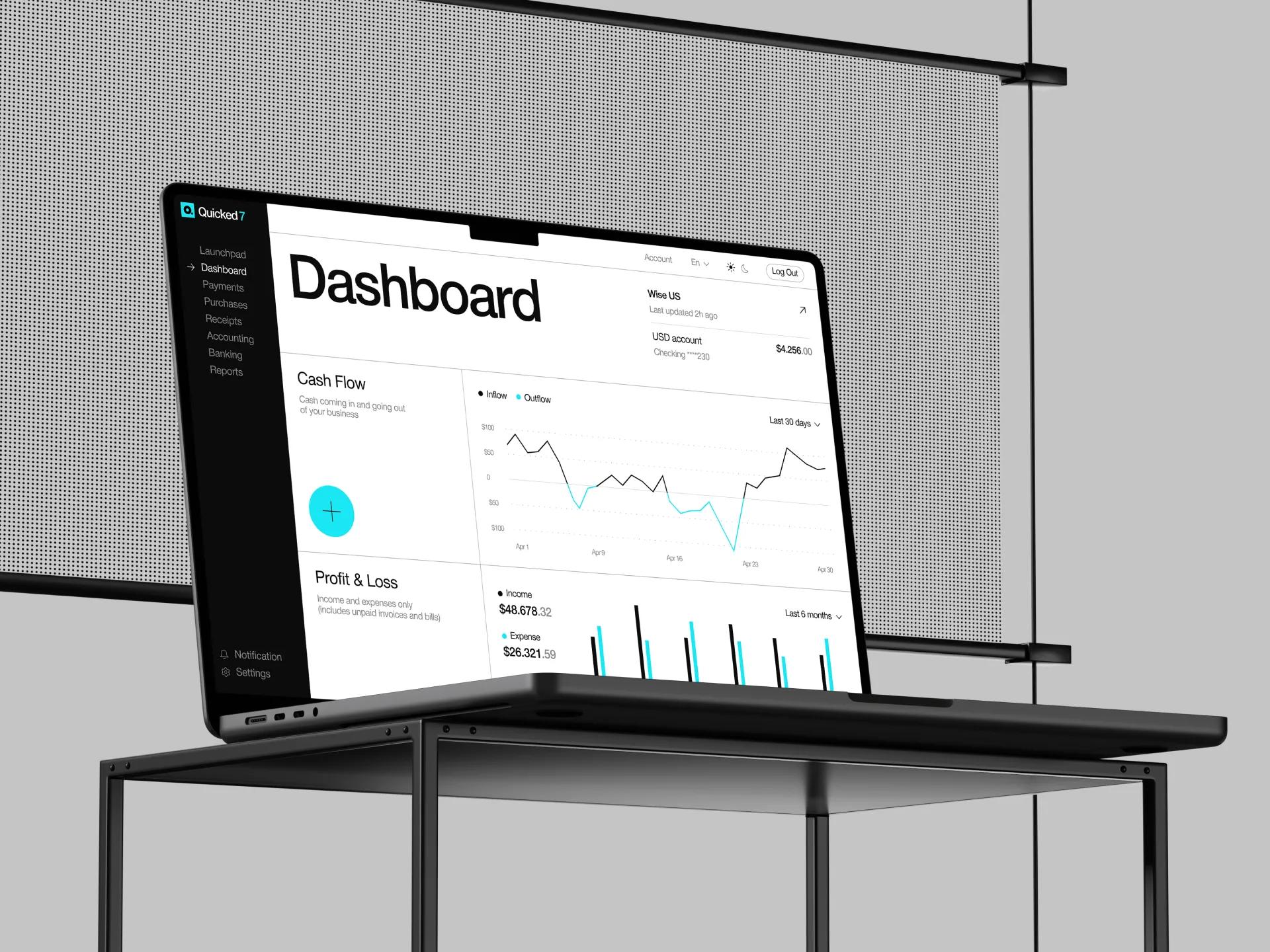
A web-based accounting product for SMBs that consolidates invoicing, expenses, payments and payroll into one real-time dashboard — cutting weekly finance admin from roughly eight hours to two.
- Vorx
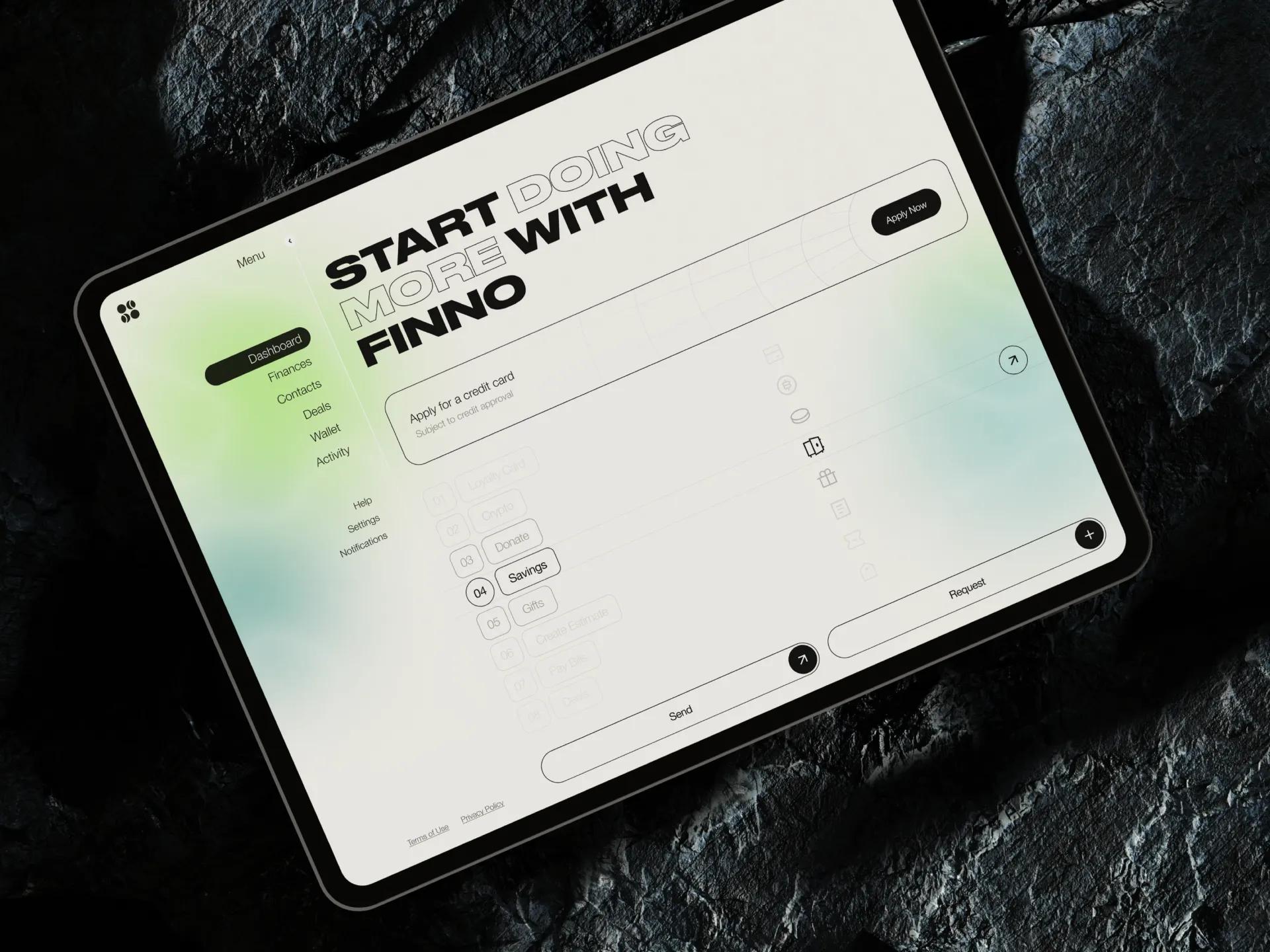
Personal finance account aggregation app
US personal finance platform that unifies bank accounts, creates intelligent budgets, and tracks financial goals through open banking APIs and resilient account-aggregation architecture.

Strategy execution
framework
[✳]Every web development engagement starts with understanding your constraints: your existing systems, your team's technical capability, your compliance requirements, and what failure costs you. We move deliberately through architecture and implementation, testing as we go rather than at the end, and we bring you along so the handoff doesn't require external support.












Engagement
models
[✳]Monthly or Quarterly Retainer
The primary engagement model for ongoing web development and feature work. Provides dedicated team capacity, predictable budgeting, and priority scheduling. Works best for continuous product development, iterative improvements based on user feedback, and long-term partnerships where deep product knowledge drives efficiency.
Fixed Scope Web Application Project
Available for clearly scoped web applications with defined requirements and success criteria. Provides cost certainty and a specific delivery timeline. Best suited for standalone applications, new system launches, or conversions of manual workflows to web-based processes.
Time & Materials (Project Boost)
Best suited for short-term development acceleration, temporary capacity expansion, or specialised expertise gaps. Billing is based on actual hours worked with complete visibility into team composition and time allocation. Maximum flexibility to scale capacity as project needs evolve.
Dedicated Web Development Team
A web development team embeds within your organisation, reporting to your technical leadership and focusing exclusively on your product. Combines the continuity of a retainer with dedicated focus and deep familiarity with your systems and processes.

FAQ
[10]What does the web development process look like?
Every project moves through discovery, architecture, implementation, and deployment. During discovery, we understand your requirements, map your existing systems, and define success criteria. We produce an architecture document that explains the technology choices and tradeoffs. Implementation runs in parallel across frontend and backend, with shared patterns and clear interfaces. Testing happens continuously throughout rather than at the end. Deployment follows your change management process, and we establish monitoring and runbooks so your team can operate the system independently. The whole process is collaborative—we bring you along so the handoff doesn't require external support.
Why should we choose a professional web development agency?
Building web applications that handle operational complexity requires expertise in architecture, security, compliance, and team dynamics that goes beyond being able to write code. A professional team has experience with the failure modes—regulatory violations, performance problems at scale, integration nightmares with legacy systems—and the architecture decisions that prevent them. We also bring testing discipline, code review processes, and operations experience that individual contributors or junior teams don't typically have. You're paying for accumulated experience, not just coding ability.
What technology stack and tools do you use?
We evaluate technology against your specific requirements rather than committing to a single stack. For backends, we work with Python, Node.js, Go, and Java depending on your constraints around performance, data processing, and operational overhead. Frontend work spans React, Vue, and vanilla JavaScript depending on complexity and team familiarity. We integrate with your existing infrastructure, databases, and services rather than requiring you to adopt our preferred tooling. If your team has expertise in a particular stack, we often build on that to reduce knowledge transfer friction.
What types of web development services do you offer?
We offer full-stack web development, from backend architecture and data integration through frontend design and implementation. We build systems that handle complex operational workflows, integrate with legacy systems, process high-volume data, and operate reliably in regulated environments. We also specialise in SEO-optimised architecture and systems designed to integrate with AI tools. We do not offer design services—we recommend pairing with a specialist design firm for visual design and interaction design, then we implement their work.
Can you share examples from your portfolio?
We've built web applications across financial services, healthcare, real estate, and enterprise software. Recent work includes a real-estate rental platform handling property listings and payment integration, an industry benchmarking platform with complex data visualisation and multi-tenant architecture, and a travel booking system managing scheduling and fleet coordination. We can discuss detailed examples under NDA.
What does your team structure look like?
Our web development teams typically pair a solution architect who handles architecture and integration concerns with experienced full-stack engineers. Depending on project scope, we add specialised backend engineers, frontend engineers, or QA engineers. We keep team sizes lean to minimise coordination overhead and communication friction. You typically have a single point of contact—a senior engineer or architect—and work closely with them throughout the project.
Do you provide continuous improvement after launch?
Yes. We establish monitoring so you can see system health, document runbooks for operational scenarios, and transfer knowledge so your team can operate the system independently. For retainer engagements, we treat post-launch work like any other development—adding features, fixing issues, and optimising performance based on real-world usage. We treat the system as a living product that evolves, not a static project that's handed off.
How much does web development cost?
Web development costs vary widely depending on complexity, timeline, and scope. A fixed-scope project might run from £40,000 to £200,000+ depending on complexity. Retainer engagements typically run £8,000 to £25,000 per month depending on team size and scope. Time & Materials engagements are priced at day rates reflecting team seniority. We provide detailed estimates after understanding your requirements. The most important factor is being clear upfront about scope and constraints rather than discovering hidden complexity halfway through.
What are common challenges and how do you solve them?
The most common challenge is underestimating complexity—what looks straightforward in requirements often involves edge cases and integration challenges that change the effort. We solve this with prototyping and architecture work early. Another common problem is poor separation between frontend and backend teams, leading to blocked work and late integration surprises. We solve this with clear API contracts and parallel development. A third issue is inadequate testing, leading to production failures. We solve this through comprehensive testing early and throughout the project. Finally, many projects struggle with handoff because knowledge lives only in the external team. We solve this through continuous knowledge transfer and documentation.
How do you handle client collaboration and project management?
We typically establish weekly or biweekly synchronisation meetings with your technical leadership and product stakeholders. We provide regular status updates and visibility into progress. For larger projects, we use issue tracking so you can see work in progress. We involve your team in architecture decisions and technical review rather than disappearing into a black box. Project management is collaborative—we facilitate planning and help you understand realistic timelines and tradeoffs, but we don't impose process on you.