Animations and FX
Design Service
We bring digital products to life with purposeful motion design and visual effects that guide attention, communicate state and reinforce brand character. Every animation we create serves a functional role, reducing perceived load times and building emotional resonance with users.


Motion Design as a Core
Product Language
[✳]Motion design isn't decoration. When done well, it communicates before words do. It shows state changes, guides attention to what matters, and creates the feeling that a product is responsive and alive. When done poorly, it becomes a performance tax that frustrates users and piles up technical debt nobody wants to deal with. Our approach begins with understanding your product's rhythm.
We design animations that feel consistent with your brand, whether that means clean and restrained or bold and expressive, and we integrate them closely with your design system. We also work directly with engineering to make sure animations perform across devices and network conditions. If motion doesn't solve a specific problem in your interface, we don't add it. That's a principle we take seriously.
Improved perceived performance
Achieved by designing animations that fill perceived wait time. When users get visual feedback that the system is responding, frustration drops significantly during data loading or processing.
Increased user engagement
Delivered through purposeful micro-interactions that create moments of delight right where users interact with the interface. These small touches make the product feel responsive and considered.
Enhanced visual clarity
Enabled by motion that clarifies state transitions, draws attention to important information, and helps users understand how to interact with complex interfaces.
Consistency across experiences
Driven by building reusable animation systems that keep motion language consistent across every part of the product, reinforcing brand character and reducing cognitive load.
Proven Animation and Motion
Design Solutions
[✳]Our animation and motion design work brings products to life. Clients trust us for motion design that clarifies interactions, improves perceived performance, and reinforces brand character. The solutions below reflect the animation challenges clients bring to us most often, each refined through repeated production deployment across industries and product categories.
We establish a library of micro-animations covering button states, hover effects, form interactions, focus indicators and more. The goal is to make the interface feel responsive and polished without overwhelming users. Each animation gets tested for performance and consistency across devices, because an interaction that feels great on a MacBook Pro but stutters on a mid-range Android isn't doing its job.
Our animation systems communicate data loading states, error conditions and completion through purposeful motion. We use familiar patterns that users understand without explanation, drawing on established UX design conventions. This reduces perceived wait time and keeps people oriented, particularly in products dealing with real-time data, infographic design, or complex dashboards.
We use animated transitions to clarify navigation between sections, screens and views. The motion maintains spatial context so users always understand where they are in the product hierarchy. This is especially valuable in complex tools with deep navigation structures, where getting lost is a real usability problem.
Our animation systems respond to scroll position, creating depth and visual interest while maintaining performance across devices and browsers. We apply these effects sparingly. Parallax and scroll-triggered animation can be genuinely useful for storytelling and engagement on landing pages or marketing sites, but we only use them where they actually improve visual clarity.
We transform loading states from frustrating dead time into visual feedback that reassures users the system is working. These animations can be customised to match your brand character, from minimal and understated to dynamic content that keeps users entertained while they wait.
Our Expertise
)Motion design and animation services improve product clarity and engagement across industries where digital interfaces handle complex interactions and data-heavy workflows.
- Asset Management & Investment Funds
- Fintech & Payments
- Banking & Financial Services
- Professional Services & Consulting
- SaaS & Enterprise Software
- Gaming & Entertainment
- Healthcare & MedTech
- Retail & E-Commerce
- Insurance & Insurtech
- Real Estate & PropTech
- Consumer Brands
- Media & Publishing
Case Studies
[3]- Location-based CRM
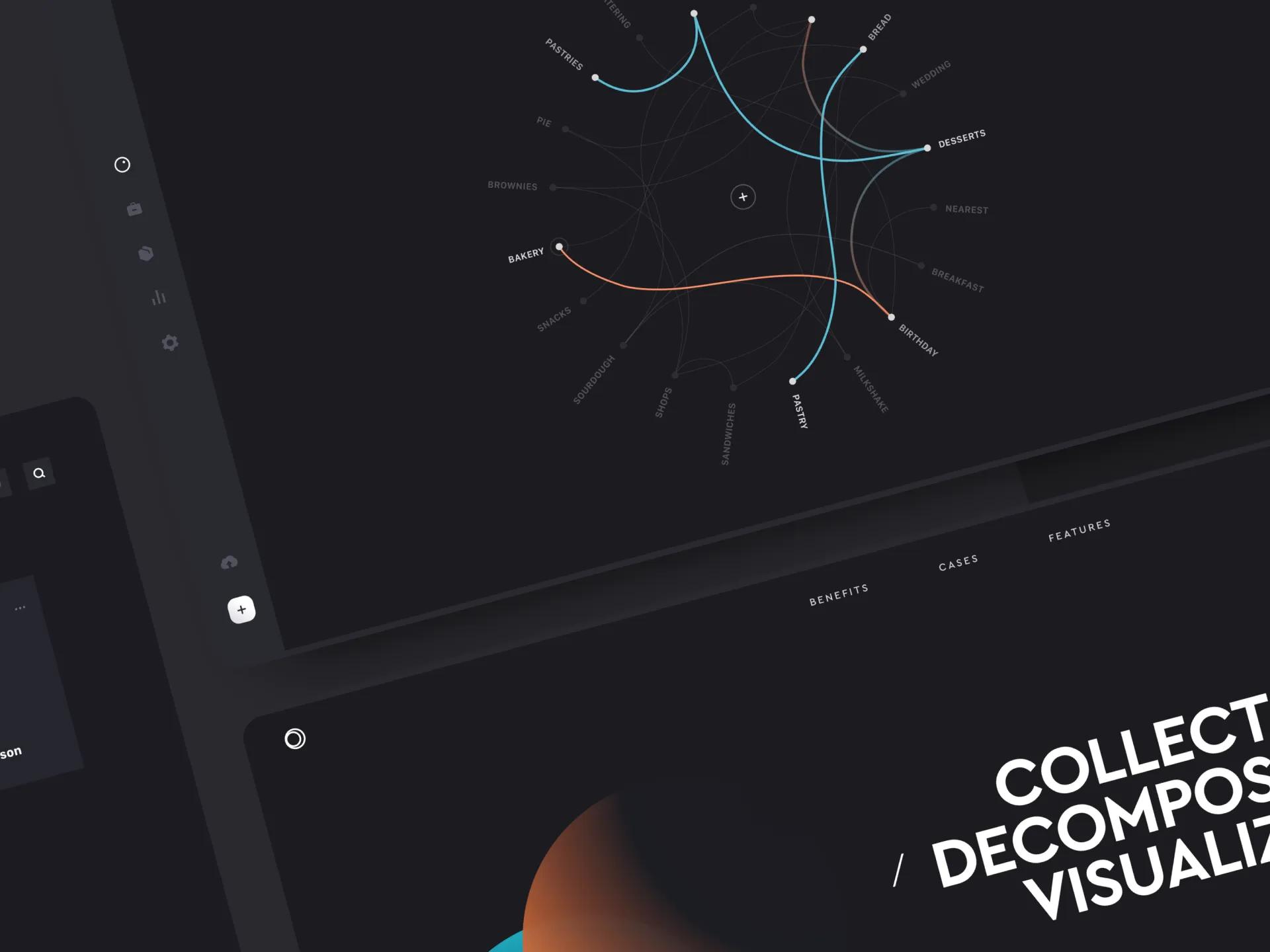
Location-aware CRM and analytics platform
US data analytics company unified geospatial intelligence, CRM, and social-listening data into a location-aware platform for food and retail chains to understand customer movement and competitive activity.
- Tailor-made Vinyl Store
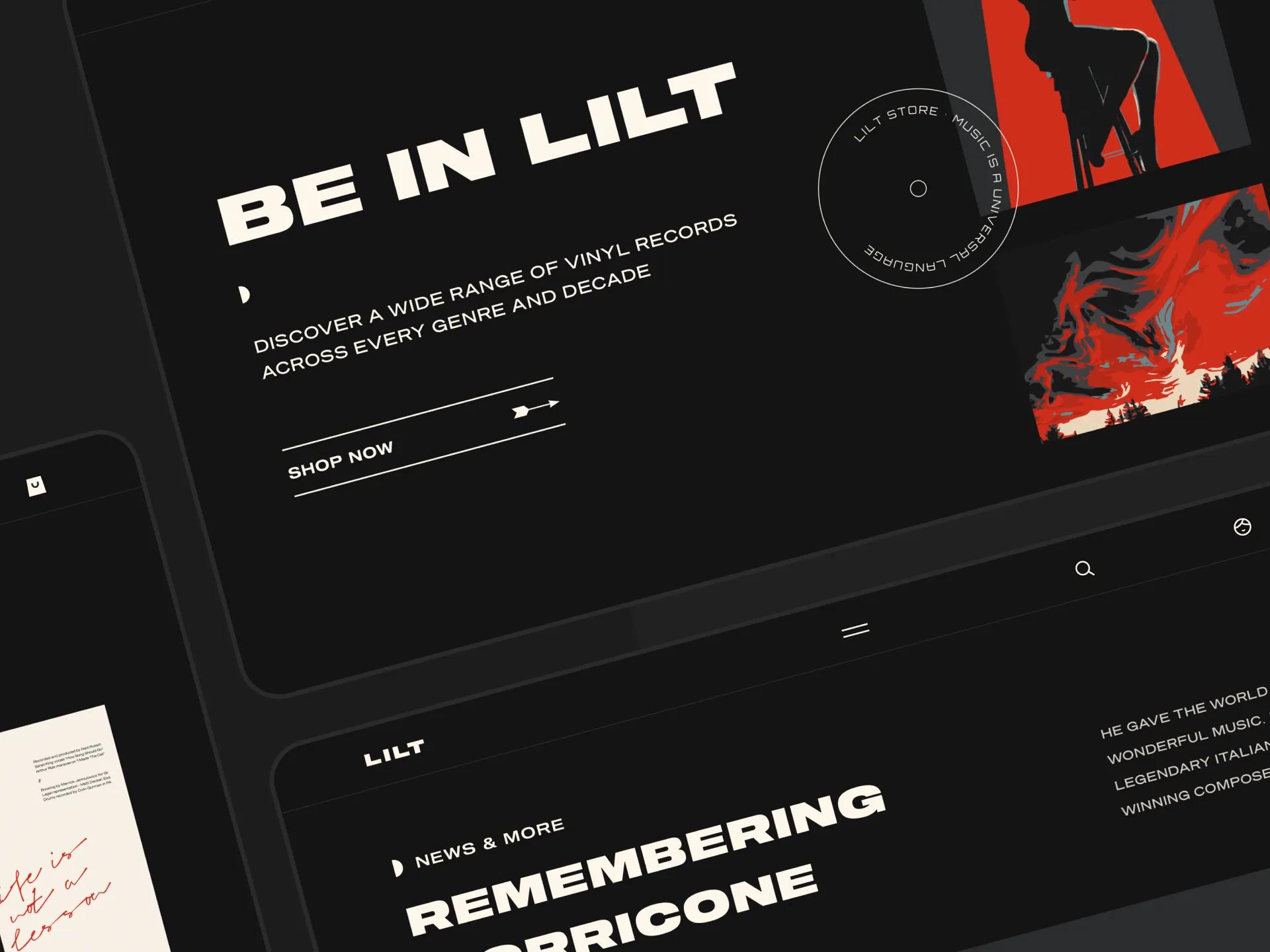
Vinyl record store brand identity
E-commerce vinyl record store created a curated gallery-like brand identity and editorial visual system with custom illustrations and motion design to communicate cultural credibility to music collectors.
- Trading App
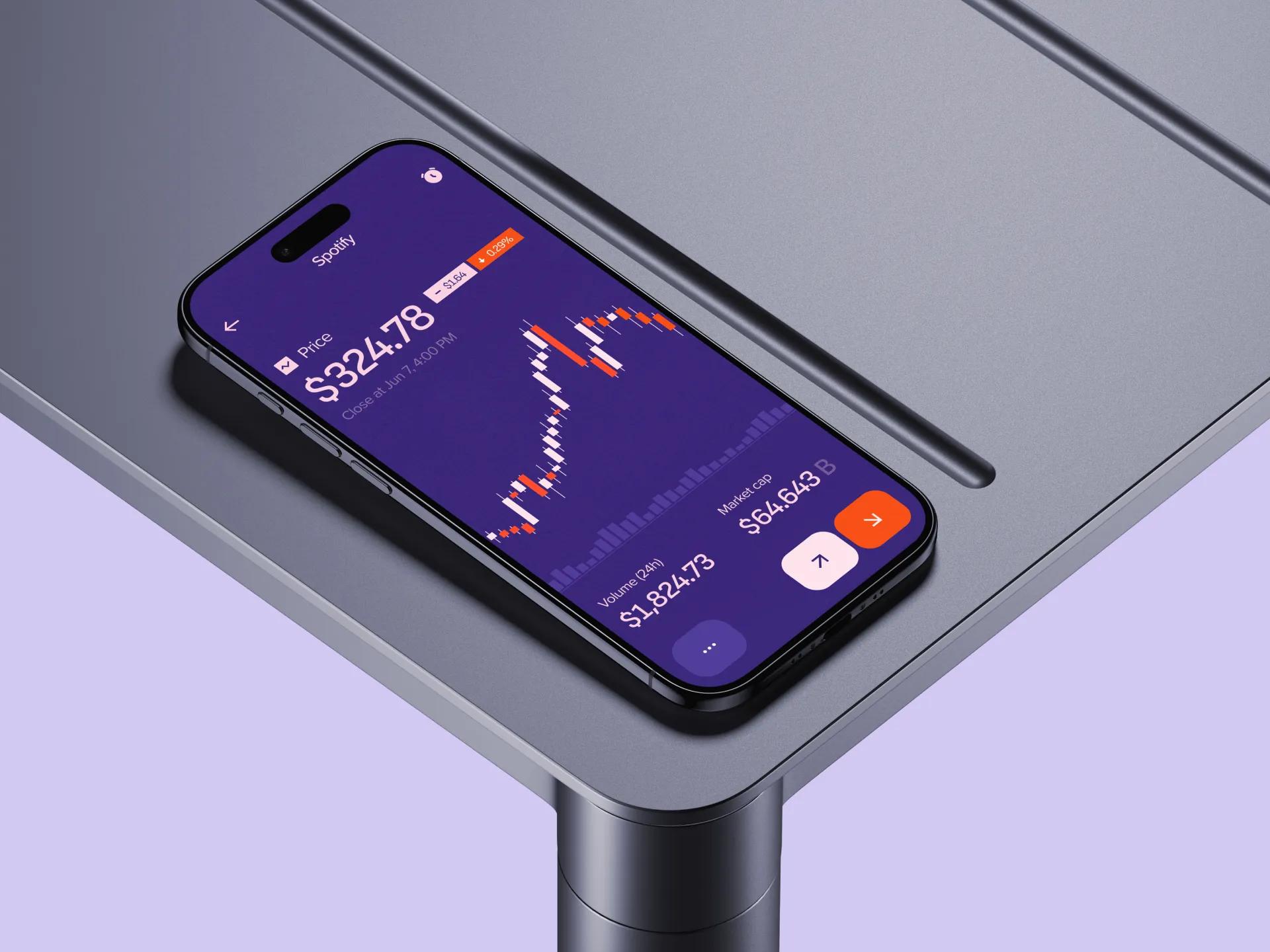
How we built a demo-ready mobile trading app that unifies stocks, mutual funds and bonds in one account for a pre-seed fintech startup, with 100% feature coverage at investor demo.
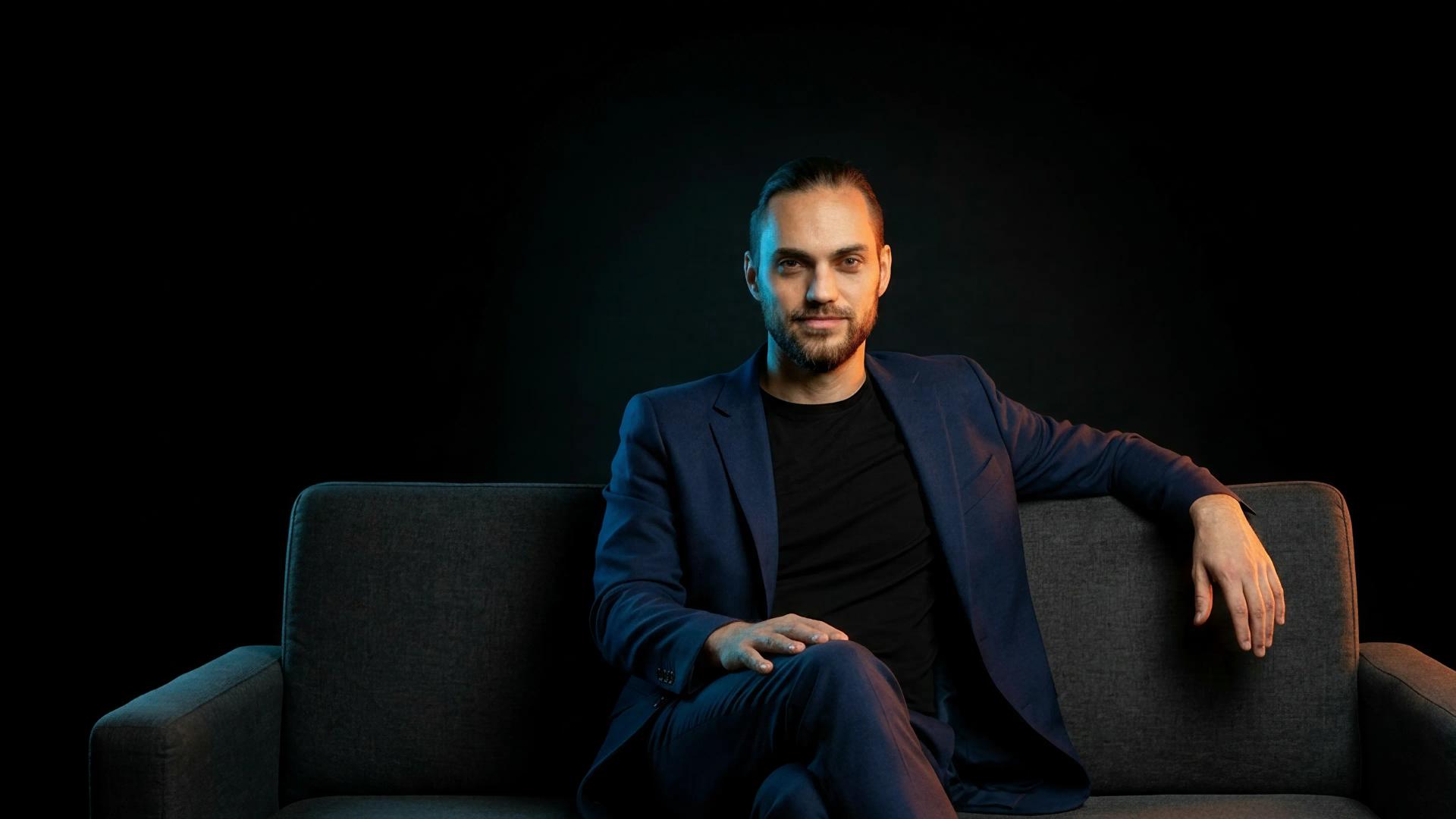
From Concept to Production:
Designing Motion That Performs
[✳]Every product has its own rhythm. Your users interact with your interface in ways that are specific to your context. Building animation systems that actually work requires understanding your product deeply, not just applying whatever motion design trends happen to be popular.
Engagement Models for
Animation and Motion Design
[✳]Monthly or Quarterly Retainer
The primary model for ongoing animation and motion design work. Gives you dedicated design capacity for continuous improvements, new feature animation and motion system evolution. Works best for products in active development where motion design is part of the regular design process.
Fixed Price Animation Creation
Available for clearly scoped motion design engagements with defined deliverables. Think custom motion design for a design system, a micro-interaction library, or specific animation sequences like animated explainer videos. Provides cost certainty and includes design assets and engineering handoff documentation.
Time and Materials (Project Boost)
Best suited for short-term motion design acceleration, specialist expertise, or projects where the scope is still taking shape. Billing is based on actual hours worked with complete visibility into time allocation. Gives you maximum flexibility to scale capacity as project needs change.
Embedded Motion Design Specialist
A senior motion designer embeds within your team, working on animation and visual effects as a direct report to your design leadership. This model works well for continuous animation work, design system evolution, or when you need hands-on guidance on motion design decisions.
FAQ
[7]What does the motion design process look like?
Every project follows a workflow that takes us from initial concept development through storyboarding, creative direction and into final animation. We start with an online briefing to understand your target audience and goals, then move through iterative design rounds with real-time reviews built in. Project timelines vary depending on complexity, but we keep you involved at every stage so nothing gets lost between the brief and the finished motion assets.
What types of motion design services do you offer?
We cover a wide range of motion design formats. That includes 2D and 3D animation, animated explainer videos, motion graphics, animated logos, whiteboard videos, stop motion animation, and presentation and event motion. We also handle campaign support work like paid and programmatic motion ads, and we build custom motion design systems and motion automation workflows for teams that need to produce animation at scale.
How to choose the motion design partner?
It comes down to a few things: expertise, creativity, and how well the team collaborates with yours. Look at project style and creative quality, but also ask about how they handle project complexity and longer engagements. Good motion graphics designers will be upfront about timelines and limitations. We'd also recommend paying attention to how a studio thinks about the psychological impact of animation and whether they involve UX design thinking in their motion work.
What about timelines, costs and additional services?
Timelines and pricing depend on project complexity and length, and we're always transparent about both. We also offer additional services including sound design, audio integration, and voice-overs, both human voiceover and AI-created voiceover options depending on your budget and animation style. We run a collaborative process with real-time reviews so you can flag things early and avoid costly revisions.
Which industries use motion design services?
Motion design works across a lot of sectors. We've delivered projects for financial services, payments, professional services, gaming, and consumer brands. The formats range from corporate animation and explainer videos to brand identity work, logo animation, dynamic content for social channels, and advertisements. Motion graphics are adaptable to almost any industry where you need to communicate something complex or hold someone's attention.
How do AI and technology factor into your motion design work?
We use AI tools and generative workflows where they genuinely speed things up without sacrificing quality. That includes AI-powered motion techniques, custom AI workflows for repetitive animation tasks, and creative-first motion design that uses technology to move faster, not to replace craft. We stay current with generative tools and new software, but we're selective.
What are the benefits of investing in motion design?
Good motion design drives increased engagement and retention, strengthens brand visibility, and makes complex ideas easier to understand. It works across contexts, from animated videos and social media content to interactive product interfaces and infographic design. Motion branding, when done consistently with clear guidelines and toolkits, creates a recognisable visual language that builds trust over time.