Product Discovery
Services
We help organisations validate product ideas before committing to full-scale development. Our digital product discovery team combines domain experts in fintech, healthtech, edtech, and enterprise software with structured research methods, technical assessment, and honest prioritisation. We identify what's worth building, what isn't, and what order to build it in.


Product Discovery
Done Rigorously
[✳]The majority of product failures aren't caused by bad engineering. They happen because teams built the wrong thing, for the wrong audience, based on assumptions nobody bothered to test. Product discovery exists to catch those mistakes early, when they're cheap to fix, rather than six months into development when the budget is spent and the roadmap is locked.
Product discovery done well saves months of development time and hundreds of thousands in wasted spend. It turns vague ideas into clear specifications, surfaces risk management issues before they become expensive, and gives your team alignment around vision before a single sprint begins. Done poorly, or skipped entirely, it's the reason most digital products fail to gain traction. We treat discovery as a rigorous business exercise, not a design workshop with sticky notes.

Reduction in post-launch rework
Achieved by validating core assumptions through hypothesis testing, prototype testing, and feasibility analysis before production code gets written. Potential users are involved from the start, so what gets built reflects actual needs.
Faster time to product-market fit
Enabled by thorough market research and competitor analysis that identifies real gaps, combined with feature prioritisation that cuts what doesn't matter. Your MVP launches with focus instead of feature bloat.
Decrease in development cost overruns
Delivered by producing realistic technical estimates, mapping integration strategy early, and building a scope that your team can actually deliver within agreed timeline and budget.
Stakeholder alignment on product direction
Driven by bringing key stakeholders, business, design, and engineering perspectives together during discovery, so decisions are made collaboratively rather than handed down from a single function.
Our Product Discovery Solutions
[✳]We deliver a comprehensive discovery process that combines market research, user research, technical assessment, and strategic prioritisation. Each phase builds on the previous one, delivering tangible outputs and decision gates so your team moves forward with confidence. Discovery gives you clarity on three fronts: whether the market actually wants what you're planning to build, whether it's technically feasible given development complexity involved, and whether the underlying business logic holds up under scrutiny.
We run hypothesis testing against real user data and conduct opportunity identification across your market. This phase maps the competitive landscape, identifies unmet customer needs, and validates whether your target audience actually cares about your proposed solution. We interview users, analyse competitor offerings, and surface gaps where differentiation matters.


Our technical team assesses development complexity, integration requirements, infrastructure needs, and technology stack choices. We identify risks early—data dependencies, third-party integrations, regulatory constraints—so your development plan is grounded in reality, not optimism. The output is a realistic roadmap with technical estimates that stakeholders can rely on.

We work with your team to prioritise ruthlessly. What features are essential for launch, what can wait, and what doesn't matter at all. Using structured prioritisation frameworks, we define an MVP that's genuinely minimal but still delivers value, so your launch happens faster and you learn from real usage patterns sooner.

We synthesise discovery findings into a clear product vision, positioning statement, and go-to-market strategy. This phase consolidates all research, aligns stakeholders around a shared vision, and creates a narrative that your team can use to guide roadmap decisions and communicate to investors, customers, and staff.


Based on technical assessment and scope definition, we produce realistic financial and timeline projections. We map out development phases, identify critical path items, and flag where assumptions are still uncertain so your leadership team can make investment decisions with eyes wide open. We'd rather tell you early that a project needs six months than watch you discover the same thing three months into a planned four-month build.

Where We Work
)We bring deep product discovery experience across regulated industries and emerging sectors. Our customer satisfaction comes from one thing: discovery outcomes that hold up when development starts. Clients trust us because the insights we deliver translate into products that launch on time, within budget, and with clarity around what users actually need.
- Asset Management & Investment Funds
- Personal Finance
- Private Equity & Venture Capital
- Banking & Financial Services
- Audit & Assurance Services
- Governance, Risk & Compliance
- Law Firms
- Insurance & Reinsurance
- Real Estate & Brokerage Firms
- Internal Workflows
- Fintech & Payments
- Healthcare & Wellness
- Enterprise Software
Case Studies
[3]- Location-based CRM
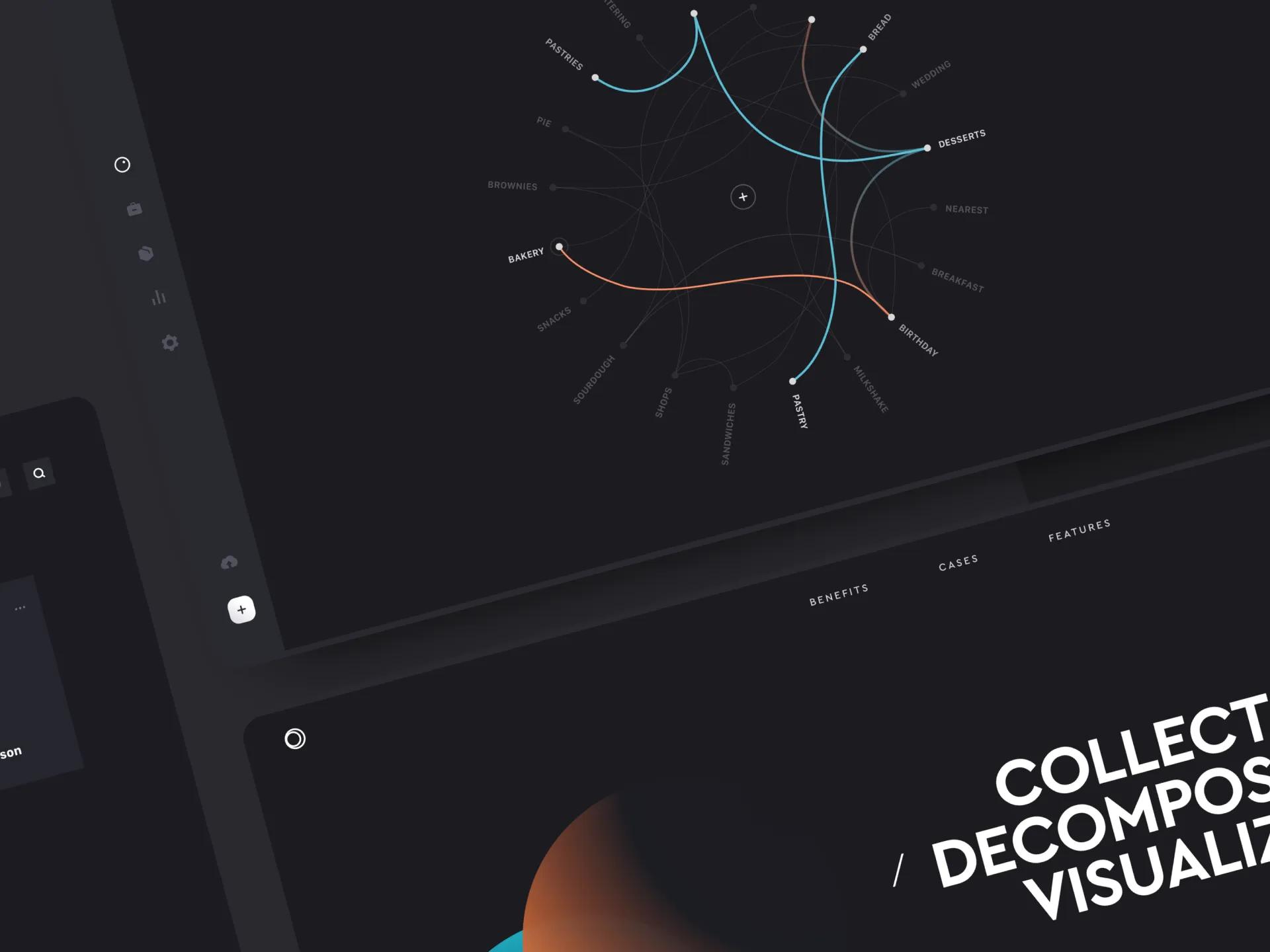
Location-aware CRM and analytics platform
US data analytics company unified geospatial intelligence, CRM, and social-listening data into a location-aware platform for food and retail chains to understand customer movement and competitive activity.
- Trading App
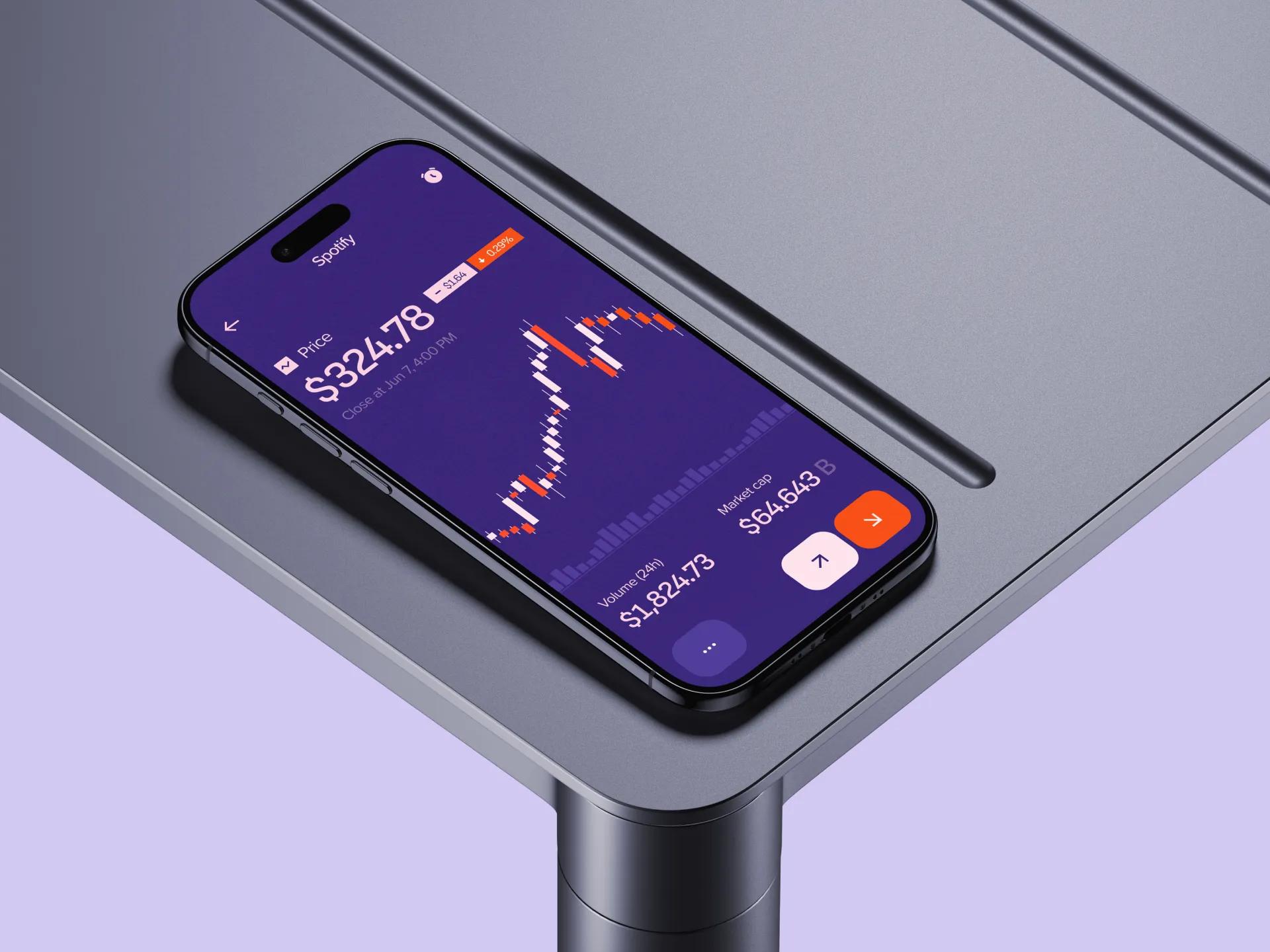
How we built a demo-ready mobile trading app that unifies stocks, mutual funds and bonds in one account for a pre-seed fintech startup, with 100% feature coverage at investor demo.
- Vorx
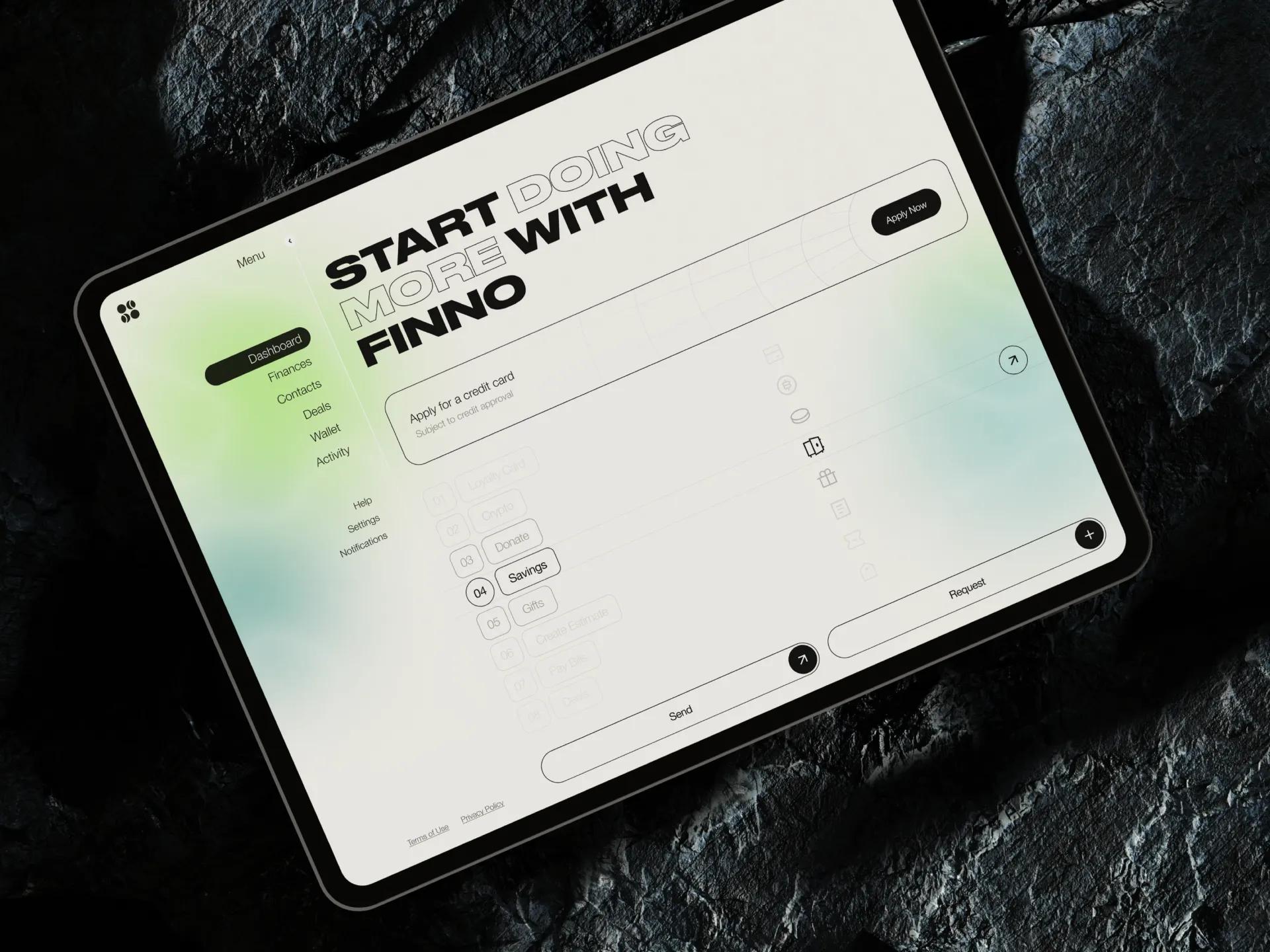
Personal finance account aggregation app
US personal finance platform that unifies bank accounts, creates intelligent budgets, and tracks financial goals through open banking APIs and resilient account-aggregation architecture.

From Questions to
Clear Answers
[✳]Every product discovery engagement is unique. Company goals, user profiles, market dynamics, competitive threats—none of it matches a template. What we bring is a structured process that surfaces what actually matters, surfaces assumptions that need testing, and produces artefacts that your development team can act on. Discovery isn't a box to tick. It's the foundation for everything that comes next.








How We Work
With You
[✳]Project-Based Strategic Assessment
Comprehensive discovery over 8 to 12 weeks, covering market research, user validation, technical assessment, and strategic planning. Best for organisations making a significant product investment or pivoting direction. Includes hypothesis testing, prototype validation, and a complete discovery report that your development team can act on immediately.
Monthly Advisory Retainer
Ongoing product strategy guidance without full discovery scope. Monthly sessions with your leadership team, regular market and competitive updates, product roadmap evolution support, and on-demand feasibility assessments as new ideas emerge. Best for product teams that want expert input integrated into their planning without a formal discovery engagement.
Workshop-Based Strategy Session
2 to 3 days of intensive work on a focused problem. When you need to lock down MVP scope, validate a specific feature approach, or get alignment on roadmap direction quickly. Smaller scope than full discovery, faster timeline, same rigorous approach. Works well for teams that already have some clarity but need an expert perspective on specific decisions.
Implementation Oversight and Governance
Our product experts embedded with your development team during the build, ensuring discovery outputs translate into shipping decisions. Weekly governance reviews, roadmap evolution guidance, and mid-course corrections based on what you're learning in production. Best for teams executing complex discoveries where decisions need real-time adjustment as development uncovers new information.

FAQ
[17]What exactly is product discovery and why does it matter?
Product discovery is the process of validating whether your product idea is worth building before you commit significant resources to development. It combines market research, user research, technical assessment, and strategic analysis to answer three questions: Does the market actually want this? Is it technically feasible? Does the business logic hold up? Most product failures happen because teams skip discovery or do it poorly, building the wrong thing or building the right thing in the wrong way. Done well, discovery saves months of development time and hundreds of thousands in wasted budget.
How long does product discovery take?
Most comprehensive discovery engagements take 8 to 12 weeks. Market and competitive research happens in parallel with user research, so the timeline isn't purely sequential. If you're working with a tighter timeline, we can compress to 4 to 6 weeks by focusing on the highest-risk assumptions. Workshop-based sessions take 2 to 3 days. The timeline depends on your market size, how dispersed your users are, and how much existing research you can build on. We establish realistic schedules during the initial kickoff and adjust based on what we're learning.
What deliverables do we get from discovery?
You get a comprehensive discovery report covering market analysis, user research findings, technical feasibility assessment, and strategic recommendations. We typically also deliver persona documents, journey maps, a product specification or requirements document that your development team can build from, an MVP scope definition, a realistic development roadmap and timeline, budget estimates broken out by phase, and a go-to-market strategy or positioning statement. All of this is delivered as working documents your team can use, not shelf-ware reports that sit unread.
How much does product discovery cost?
A comprehensive 8 to 12-week discovery engagement typically runs between £40,000 and £80,000 depending on complexity and how many user interviews are required. Market and competitive research, technical assessment, and stakeholder alignment are included. If your market is dispersed or user access is difficult, costs scale upward. Workshop-based sessions run £15,000 to £25,000 for 2 to 3 days. Monthly advisory retainers typically start at £5,000 per month for regular guidance and on-demand assessments. The most important thing: discovery costs are typically 5 to 10% of your total development budget, and the cost of skipping discovery is orders of magnitude higher.
Do we need prototype testing as part of discovery?
Prototype testing is optional but highly recommended. We can build interactive prototypes based on discovery findings and test them with your target users to validate whether your proposed interface and user flows actually work. This adds 2 to 4 weeks to the timeline and typically costs £10,000 to £20,000, but the learning it generates is invaluable. You learn whether users can actually accomplish their goals with your proposed design, identify usability issues before they get baked into code, and gather evidence that your approach is right rather than guessing.
Who should be involved in discovery from our side?
You need business stakeholders—the people setting product direction and making investment decisions. You need someone from your design or UX team if you have one, and someone from engineering or your CTO if possible. You need access to users or customer-facing staff who understand the problem domain. You don't need your entire product team sitting in every meeting, but you do need consistent representation from business, design, and engineering so discoveries translate into aligned decisions. The combination of perspectives is where discovery creates the most value.
What if discovery finds that our idea isn't viable?
That's exactly what discovery is for. If the market doesn't exist, if users don't care about the problem, or if the technical complexity is too high for your budget and timeline, it's better to learn that in week three than month eight. We deliver honest findings, not what you want to hear. We explain why something isn't viable, recommend whether there's an alternative approach that might work, or suggest pivoting to a related opportunity where the conditions are more favourable. Some of our most valuable discoveries have been the ones that saved clients from building the wrong thing.
How does discovery fit with agile development?
Discovery informs your backlog prioritisation and sprint planning, but it doesn't replace agile. Once development starts, agile teams adapt based on learning. What discovery does is make sure those adaptations happen around a shared vision and clear scope, not constant scope creep driven by unclear requirements. We create artefacts—requirements documents, user stories structured by priority, roadmaps showing sequencing—that feed directly into agile ceremonies. The discovery findings stay relevant throughout development because they're rooted in user need and technical reality, not wishful thinking.
Can we do discovery while we're already building?
Yes, though it's more expensive and riskier. If you're already in development, we can do a compressed discovery focusing on high-risk assumptions and market validation while development continues in parallel. This works when you have reasonable time to pivot before you hit a hard deadline, or when the first release is clearly an MVP and you can adjust based on user feedback. But discovery is cheaper and more effective when it happens before development starts. Starting development before you've validated core assumptions is the fastest way to build something nobody wants.
Who are your product discovery experts and what's their background?
Our discovery team includes former product managers from fintech and enterprise software companies, user researchers with experience across regulated industries, engineers who understand the difference between technically possible and operationally feasible, and strategy consultants with track records guiding product organisations. We have deep expertise in fintech, healthtech, edtech, and enterprise software. We've worked across banking, insurance, asset management, law, healthcare, and internal workflows. What matters is that we bring both strategic perspective and hands-on execution experience, so discovery doesn't stay theoretical.
How do you choose which users to interview?
We use a combination of approaches depending on your market. If you have existing customers, we interview them to understand their problems and validate whether your new product addresses unmet needs. If you're entering a new market, we identify and recruit target users based on demographic and behavioural profiles, either through our networks or through recruitment services. We aim for 15 to 30 user interviews depending on market size and homogeneity. That volume typically gets you to saturation—the point where new interviews aren't surfacing fundamentally new insights. We also ensure interviews are representative, not skewed toward a particular user segment or perspective.
What if we disagree with discovery findings?
That's fair and actually important. If findings conflict with what you believe, that disagreement points to something worth investigating further. We often recommend additional testing or deeper dives into specific areas where beliefs and findings diverge. But ultimately, you own the product and the decisions. What we deliver is evidence and analysis. What you do with it is your call. That said, when discovery suggests avoiding a path your organisation is attached to, we push back respectfully and show our work. Our job is to reduce risk and save money. Sometimes that means saying what you don't want to hear.
Can discovery inform pricing strategy?
Yes. As part of user and market research, we explore willingness to pay, pricing sensitivity, and how your solution compares to existing alternatives in terms of value. This informs pricing positioning and can reveal segments willing to pay premium prices for premium features. We typically don't do deep pricing analysis unless that's a specific focus—pricing strategy is often a separate engagement—but discovery surfaces enough to inform initial pricing decisions.
What's the difference between discovery and due diligence?
Discovery is about whether your product idea is viable—can you build it, does the market want it, is it feasible. Due diligence is about whether your company is worth investing in—financials, team capability, IP, contracts, risk profile. They're complementary. We do discovery. If you're raising capital, investors will do due diligence. Sometimes discovery surfaces issues that matter in due diligence conversations—technical debt, unsustainable unit economics, regulatory exposure—so it's useful prep. But they're different exercises.
How does discovery work with regulated industries like fintech or healthcare?
We have extensive experience working in regulated environments and building compliance into discovery from the start. We map regulatory requirements early, identify which features might trigger regulatory review, and assess integration requirements with compliance and governance workflows. For fintech, we understand AML/KYC, payments infrastructure, regulatory reporting, and licensing. For healthcare, we understand HIPAA, data security, practitioner requirements, and clinical workflow integration. Discovery for regulated products is more complex and typically takes longer because regulation constrains technical choices and scope. But it's also more valuable because regulatory surprises mid-development are catastrophically expensive.
What if we're building an internal tool or platform, not a customer-facing product?
Same rigorous approach, different context. We help your team think through whether the tool solves the actual problem your users (internal staff) are trying to solve, whether the technical integration with existing systems is feasible, and how to prioritise features that will drive adoption. Internal tools often suffer from scope creep and over-engineering because there's no market discipline forcing hard choices. Discovery creates that discipline. We work with your business stakeholders, the teams who'll actually use the tool, and your technical leadership to ensure alignment.
What happens after discovery wraps?
You have a roadmap, clear scope, and a discovery report that your development team can use immediately. We can transition into an advisory retainer if you want ongoing product guidance during development, or you can hand findings to your internal team and start building. Some clients bring us back during development for implementation oversight and course correction as you learn from real usage. Other clients use discovery as a one-time engagement and manage development internally. Either way, you have what you need to start moving forward with confidence.