AI-Driven Compliance Monitoring Software
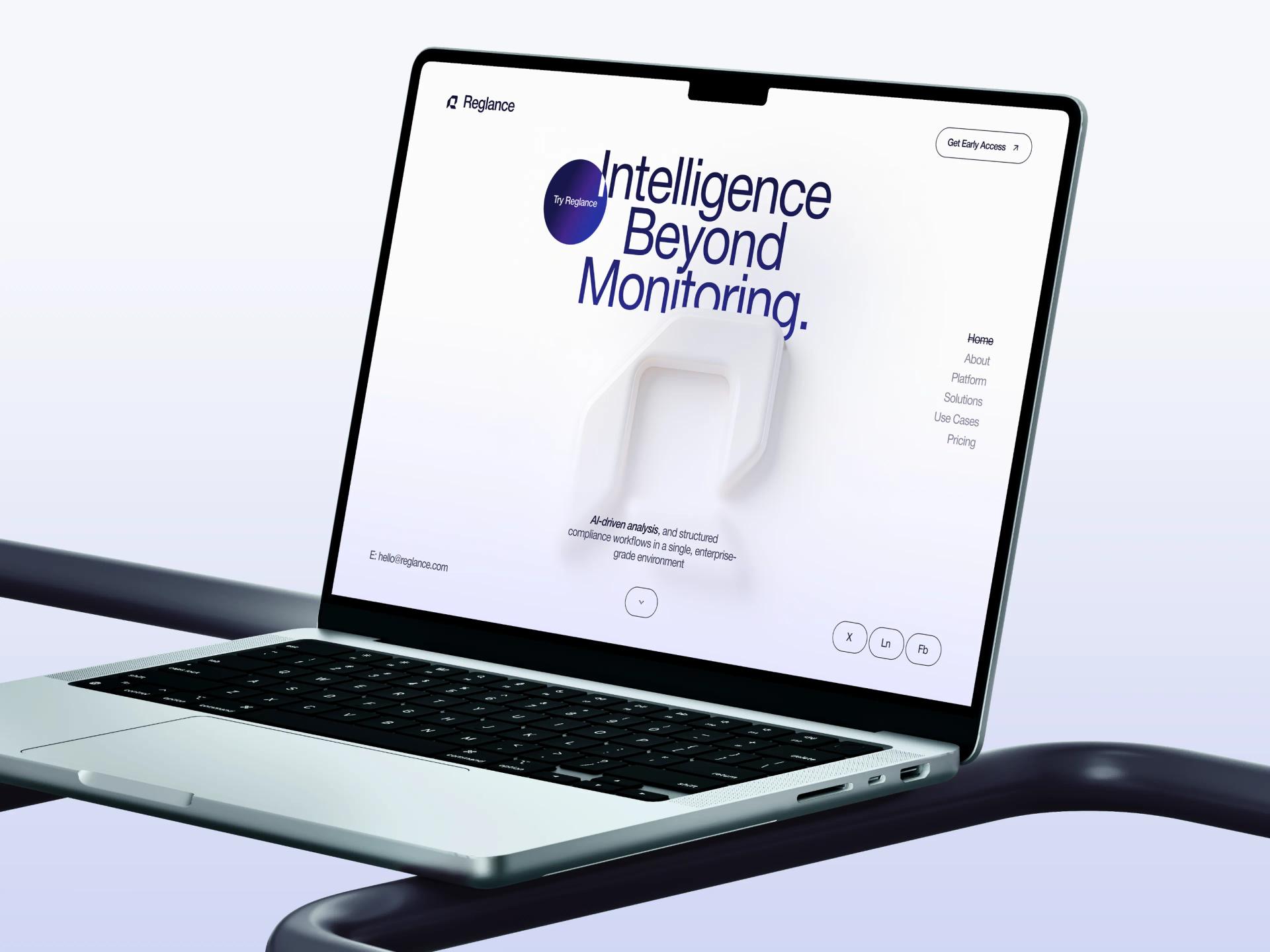
A compliance engine built for one of Europe's fastest-growing payment platforms. It tracks regulatory changes across 37 countries and 21 languages in real time and tells the compliance team exactly what to do about them. Because when you operate across the entire EMEA region, a missed update isn't just a legal problem. It's a trust problem, a brand problem, and a growth problem. The system handles the complexity so the team can focus on what actually moves the business forward.
Solution
- Leading EU Payment Processor
- EMEA
Services
- Digital Strategy
- Web Design
- UI Design
- Frontend Development
- Backend Development
Credits
- Chief AI Officer
- ML Engineer (NLP)
- ML Engineer (Agents)
- MLOps Engineer
- Senior Backend Developers (×2)
- Frontend Developer
- UX Designer
- Business Analyst
- Technical PM
The Challenge
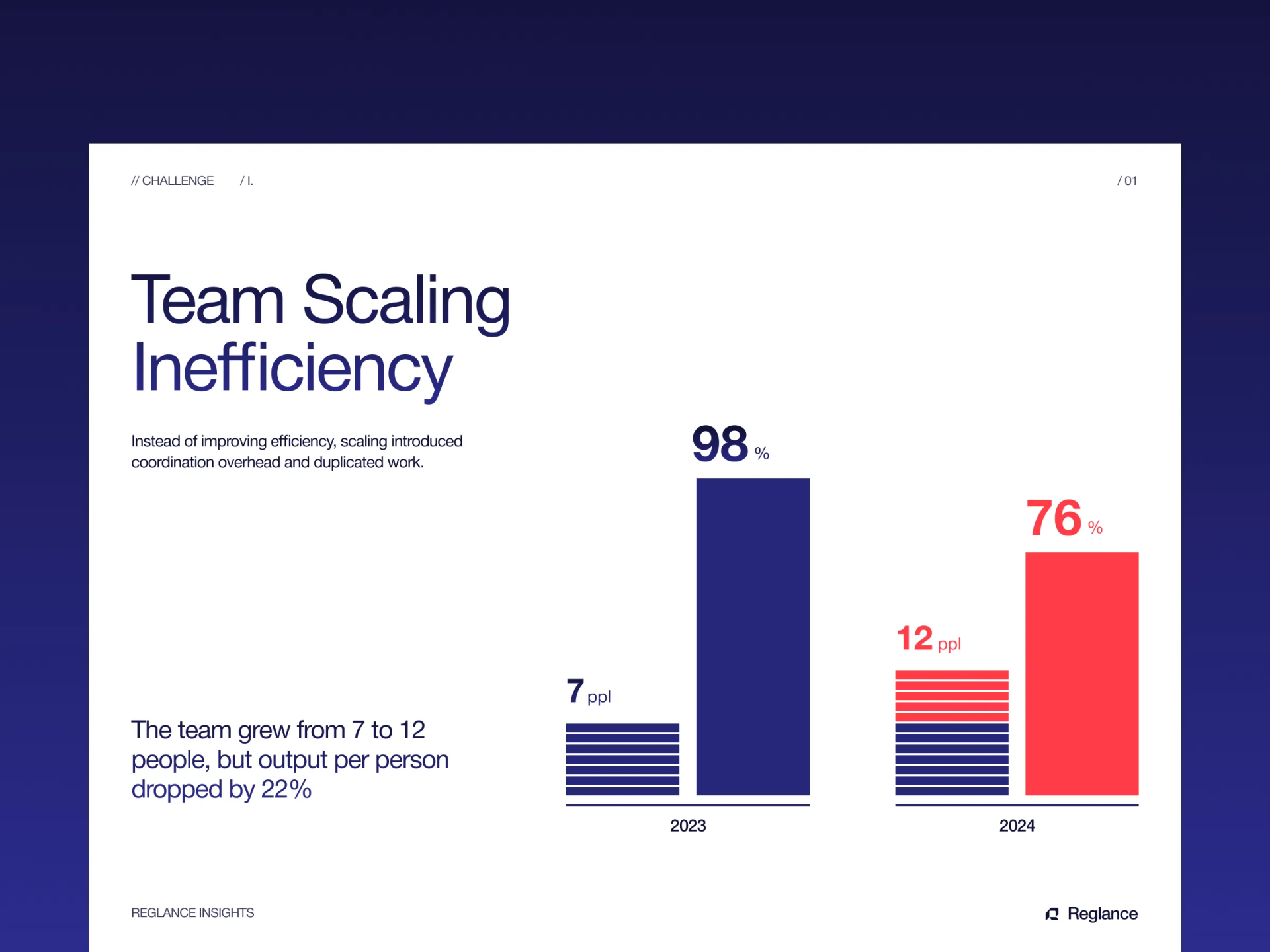
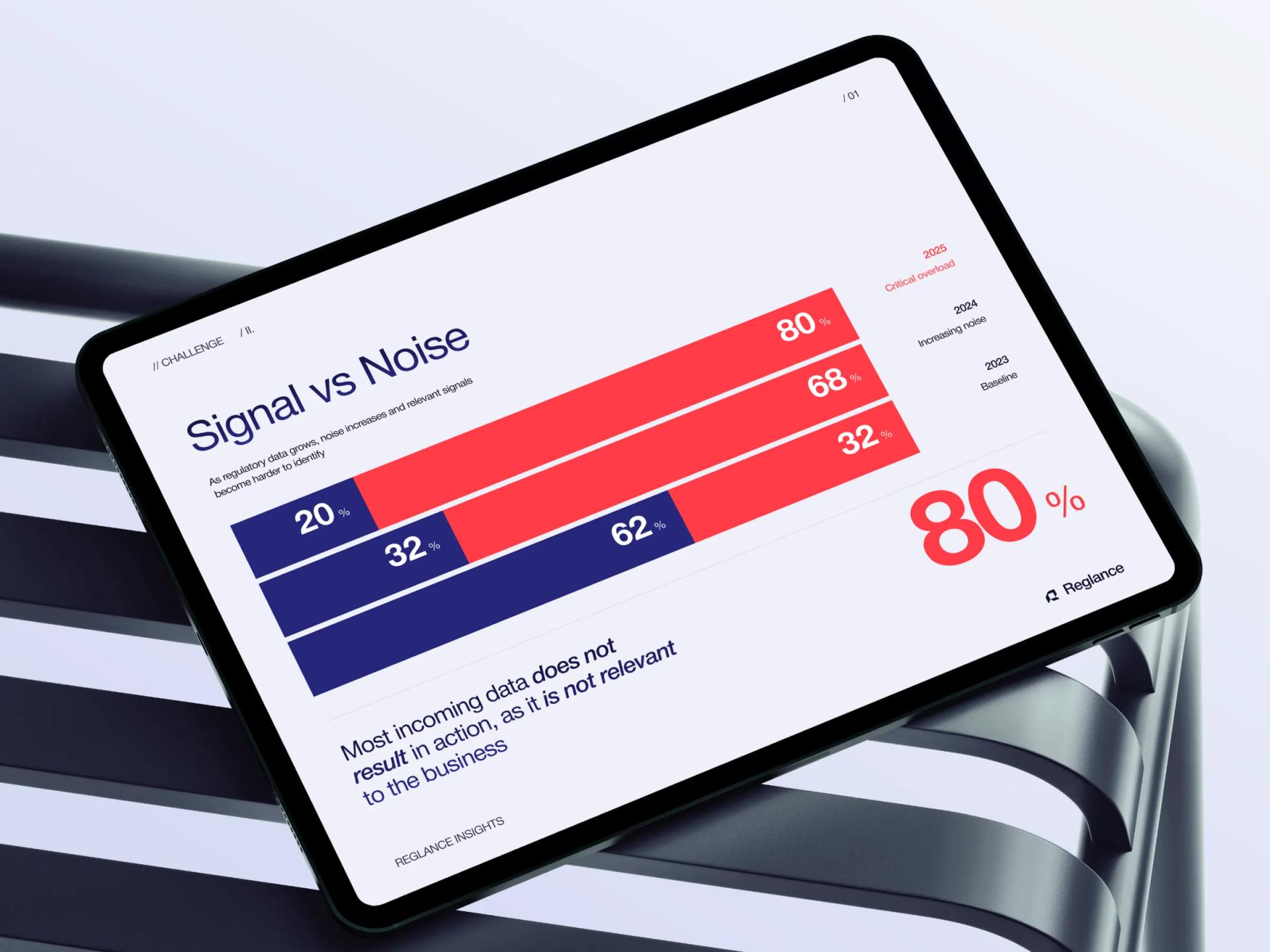
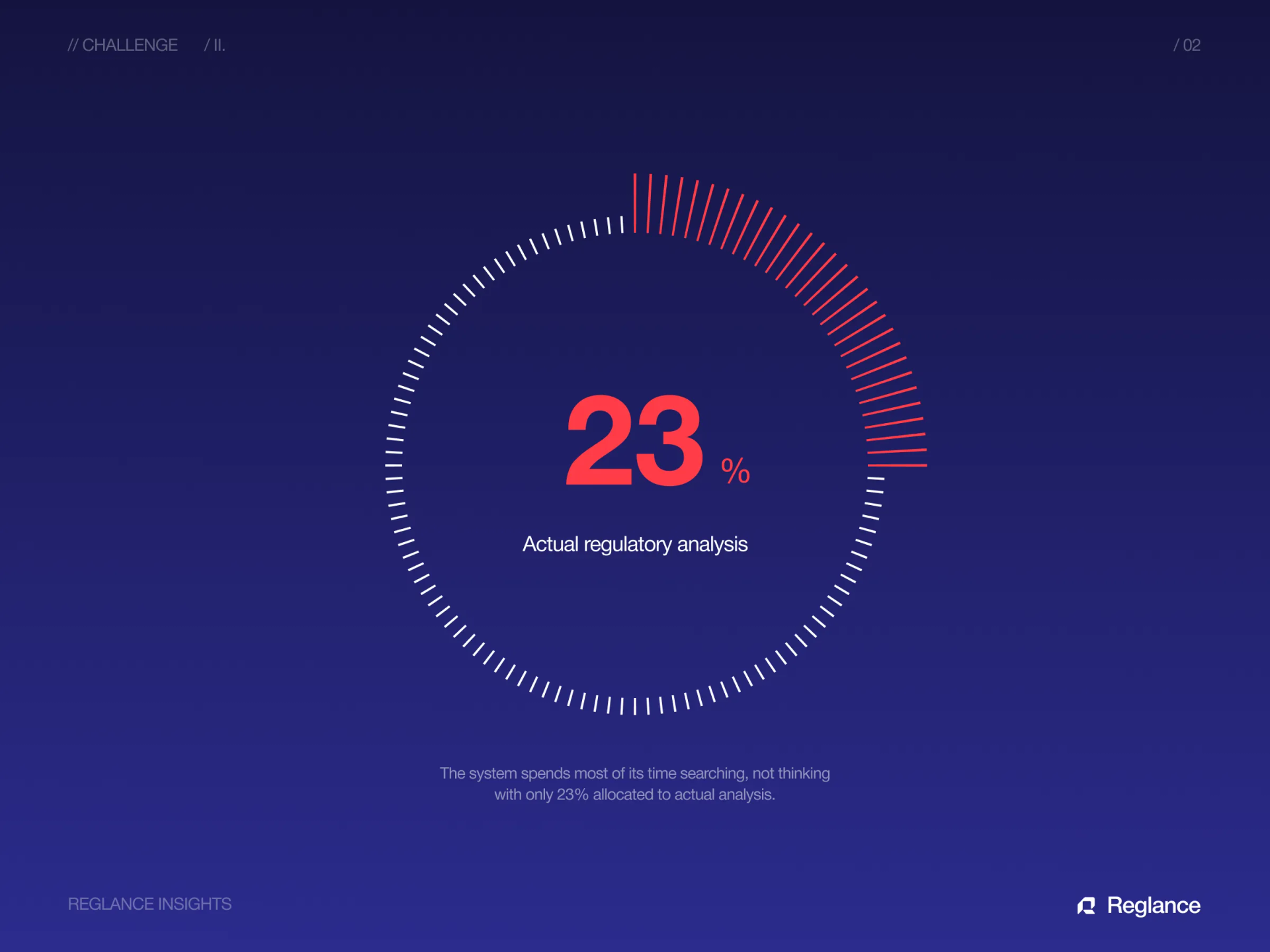
[✳]Each jurisdiction where the payment platform operates has its own set of financial regulations, anti-money-laundering laws, and payment processing requirements. All of these are prone to change at an unpredictable pace. Before the regulatory monitoring system was put in place, the team of 12 people spent 60+ hours a week browsing regulatory websites, newsletters, and official gazettes to catch applicable changes in time. Despite all that work, it took an average of 28 days to detect a regulatory change.

The company had spent considerable time and resources attempting to solve its compliance challenge, cycling through multiple approaches without success. Among other efforts, it had reached out to a variety of AI development companies, hoping that one of them might offer a viable path forward, but none of the solutions presented had proven adequate for the task at hand.
Between 2023 and 2024, the company worked through several approaches to solving its compliance challenges. Expanding the team led to high turnover and ballooning operational costs. Off-the-shelf compliance software proved too expensive and poorly suited to the specific needs of a payment platform. AI vendors waited for detailed technical instructions rather than engaging with the broader strategy. And an internal proof of concept for a custom system was never delivered on time.
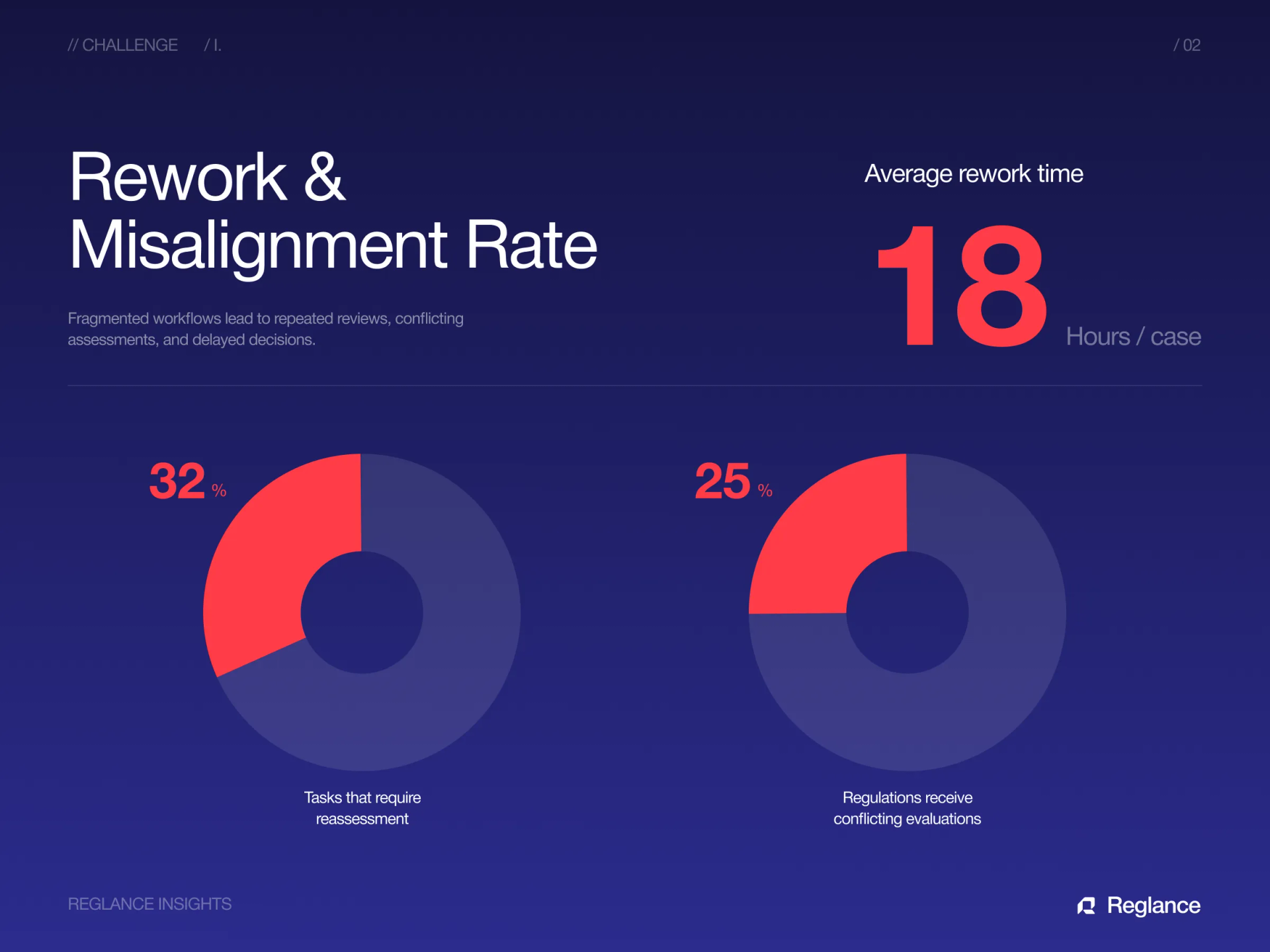
Each of these failures pointed to the same underlying problem: manual monitoring of regulatory changes could not keep up with the demands of the business. Tracking requirements across multiple markets simultaneously left the process fragmented, resource-intensive, and exposed to human error.
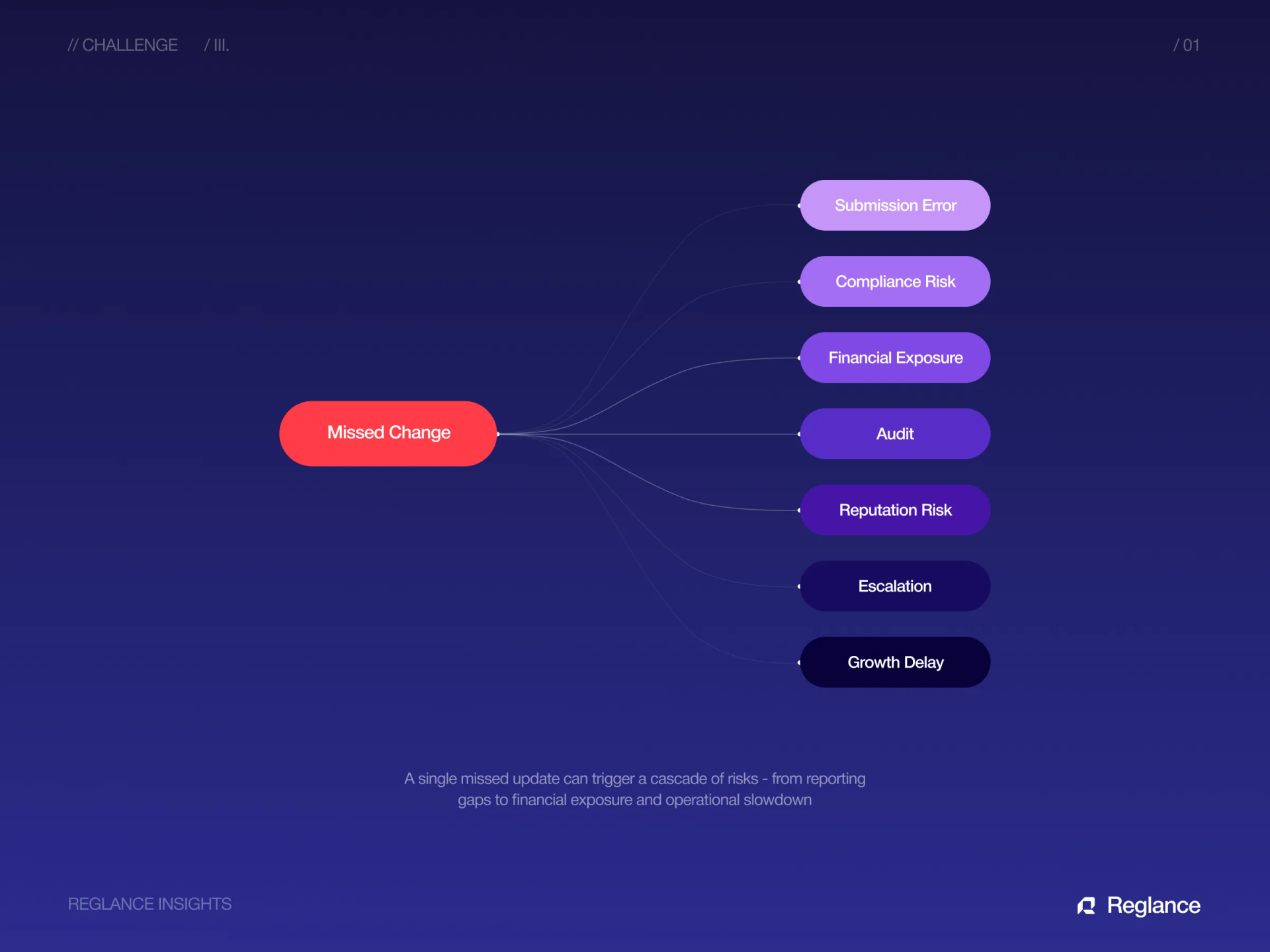
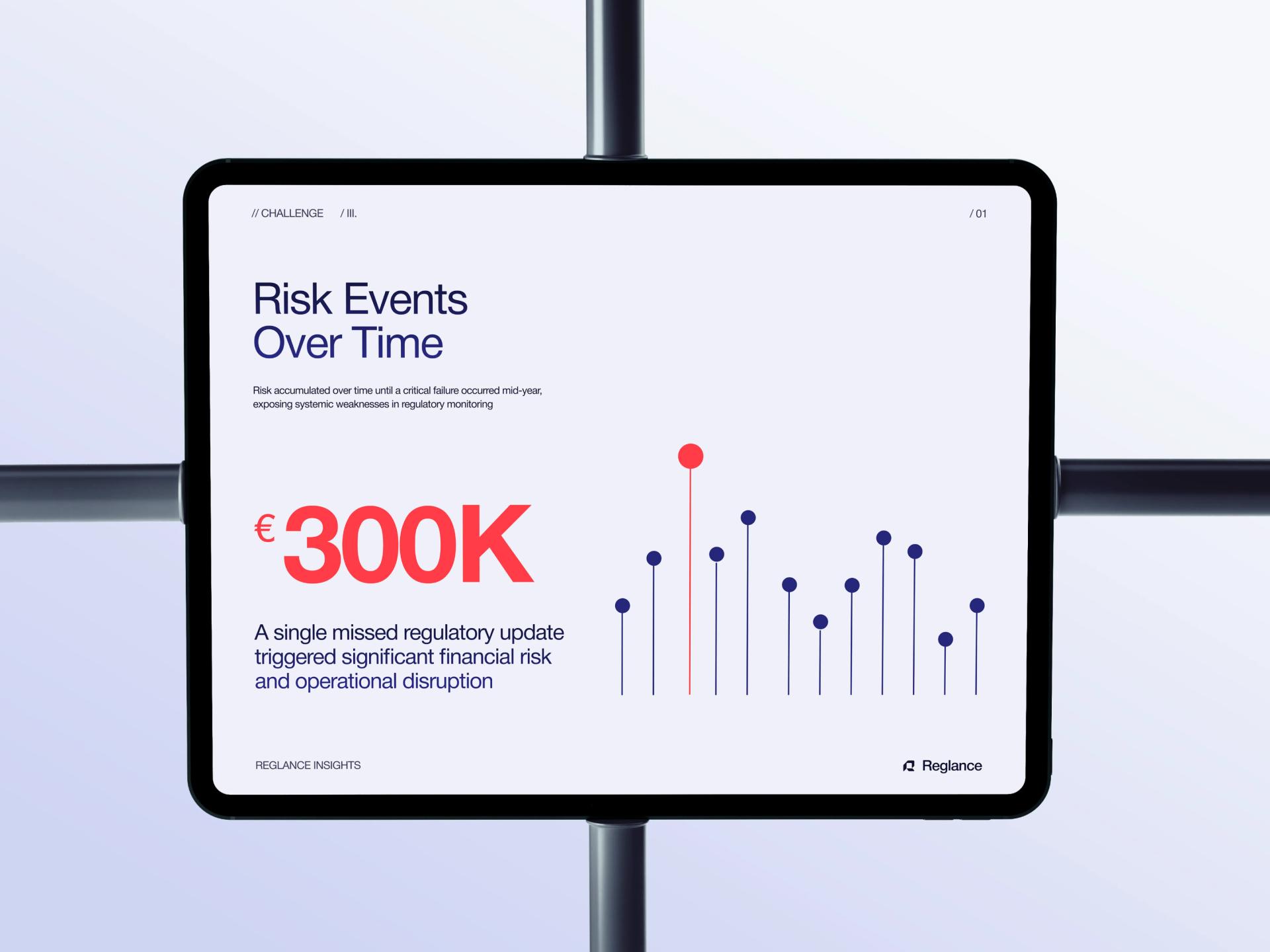
In Q1 2024, the accumulated inefficiencies caught up with the company. The team missed a critical change in AML reporting requirements in a central European market, resulting in an incomplete submission to the regulator. That single oversight nearly triggered a substantial fine and a damaging PR crisis. The C-suite was forced to pause market expansion until the company could guarantee the reliability and timeliness of its regulatory oversight.
The Solution
[✳]Ensuring the new regulatory monitoring system would indeed be effective for the company required an in-depth assessment of both the existing workflows (including a comprehensive jurisdictional analysis) and the feasibility of the custom AI solution. The insights gained during the discovery phase also informed the regulatory taxonomy and impact scoring framework. A thorough analysis of historical regulatory data over the past six months ensured the framework was tailored to the compliance team's needs.
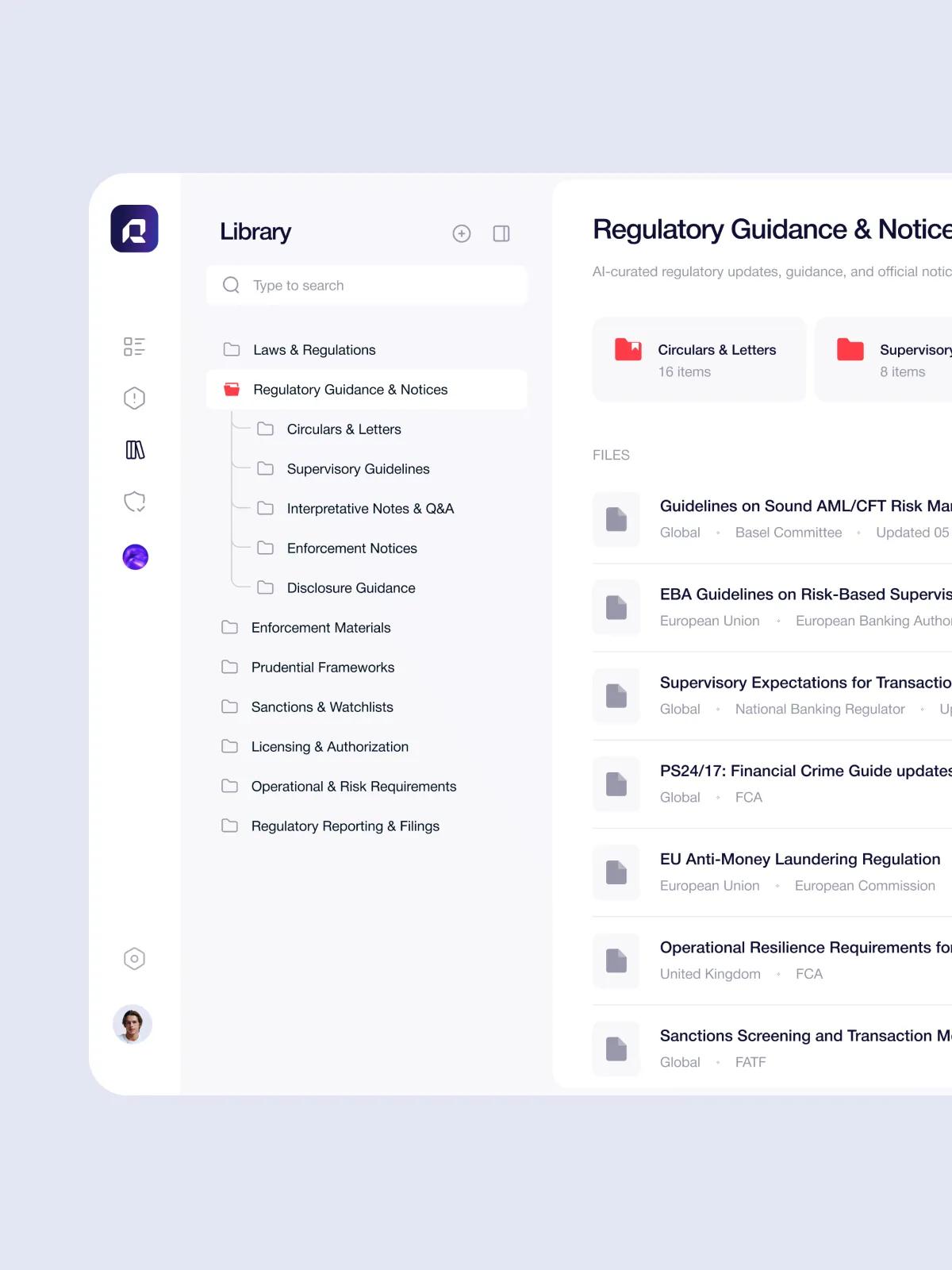
Before a line of code was written, we worked through an AI implementation strategy shaped around three core challenges the pilot had to address: centralising all regulated activities, entities, and products within a single structured table without redundancy; evaluating the relevance of regulatory documents at both the document and sub-document levels; and establishing clear links between each regulated item and the source document where it is defined. This strategy set the scope, the success criteria, and the sequencing for everything that followed. The first build track was AI agents development. Country-specific agents were designed to continuously monitor the 80+ regulatory sources identified during discovery, capturing new and updated publications as they appeared. A separate translation agent handles the 21 source languages, normalising everything into German, French, and English so the compliance team works from a consistent base rather than juggling raw multilingual inputs.
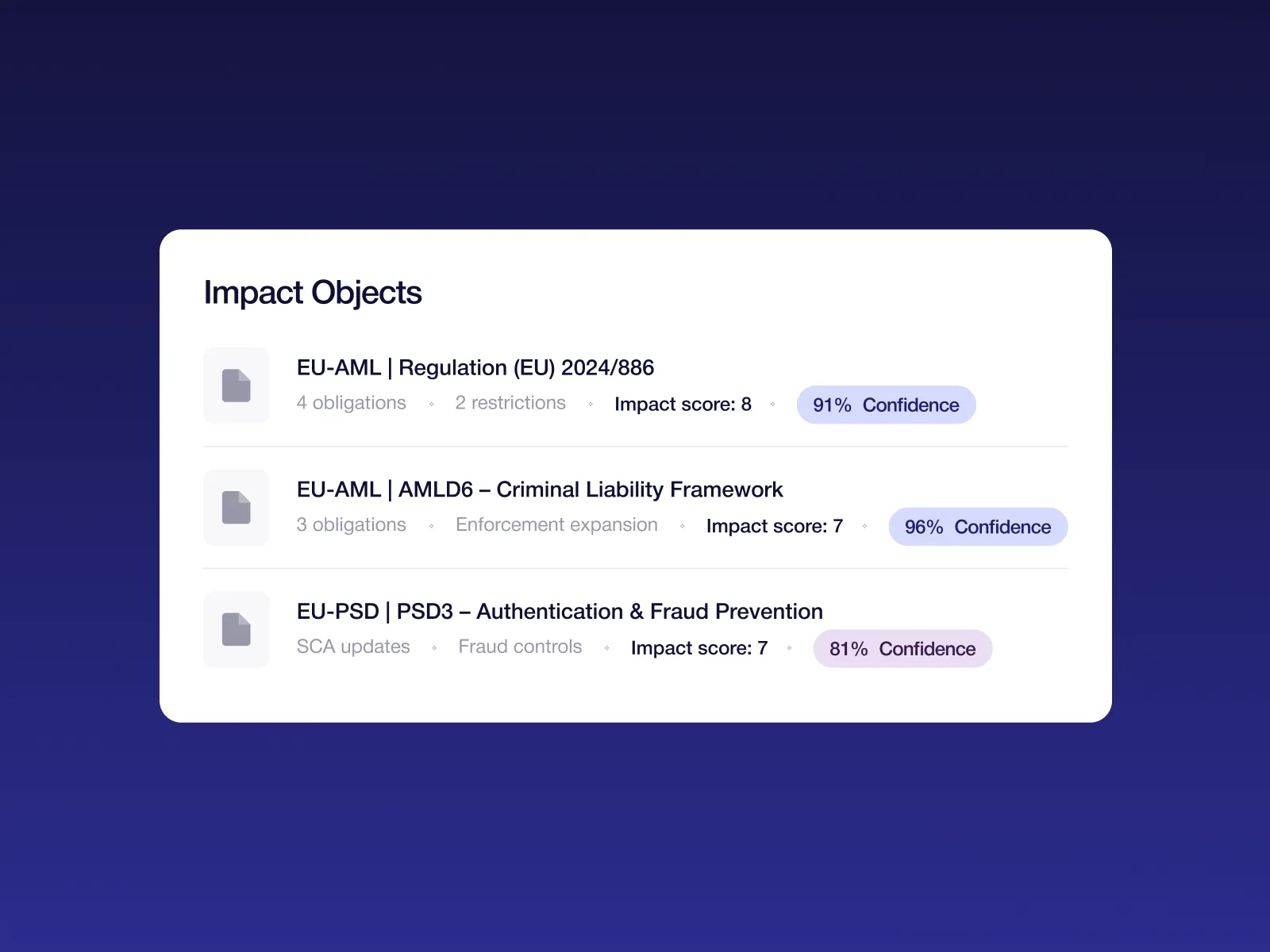
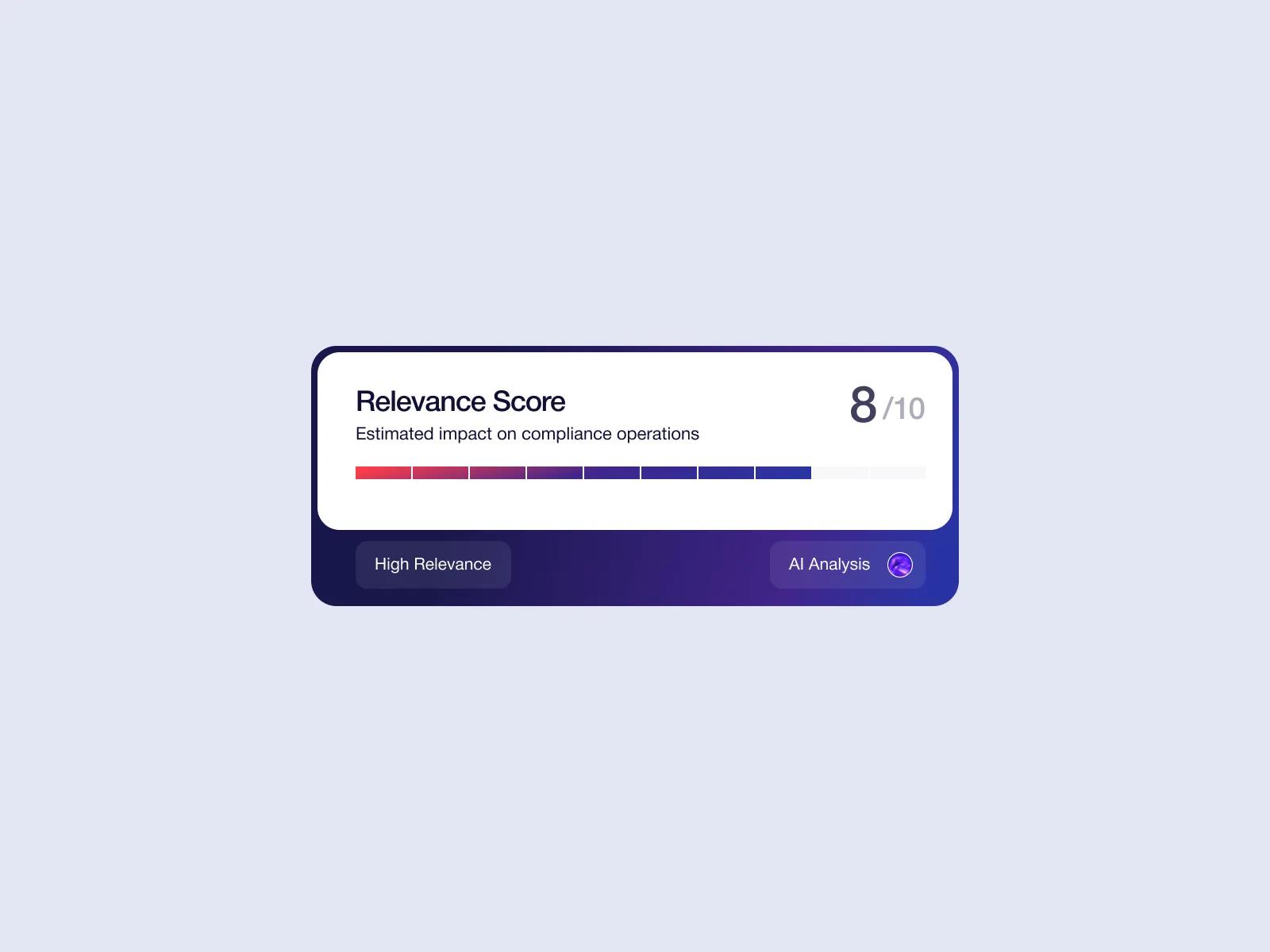
The second track was custom AI/ML development, which gave the system its judgement. We trained a natural language processing model on the client's historical regulatory assessments so its classifications matched the team's established taxonomy — theme, modality, necessity, time horizon — rather than imposing a new one. On top of that sits the relevance and impact scoring layer, built jointly with the business team from real-world scenarios, which assigns each clause a 0–10 score with a confidence indicator attached. The third track, MLOps, is what keeps the whole thing honest in production. Models are deployed, monitored for drift and performance, and retrained on fresh assessments as the compliance team's feedback accumulates. This is the part that turns a clever prototype into something the team can actually rely on week after week, and it's what lets accuracy improve over time instead of quietly decaying.
Custom AI Solution Features
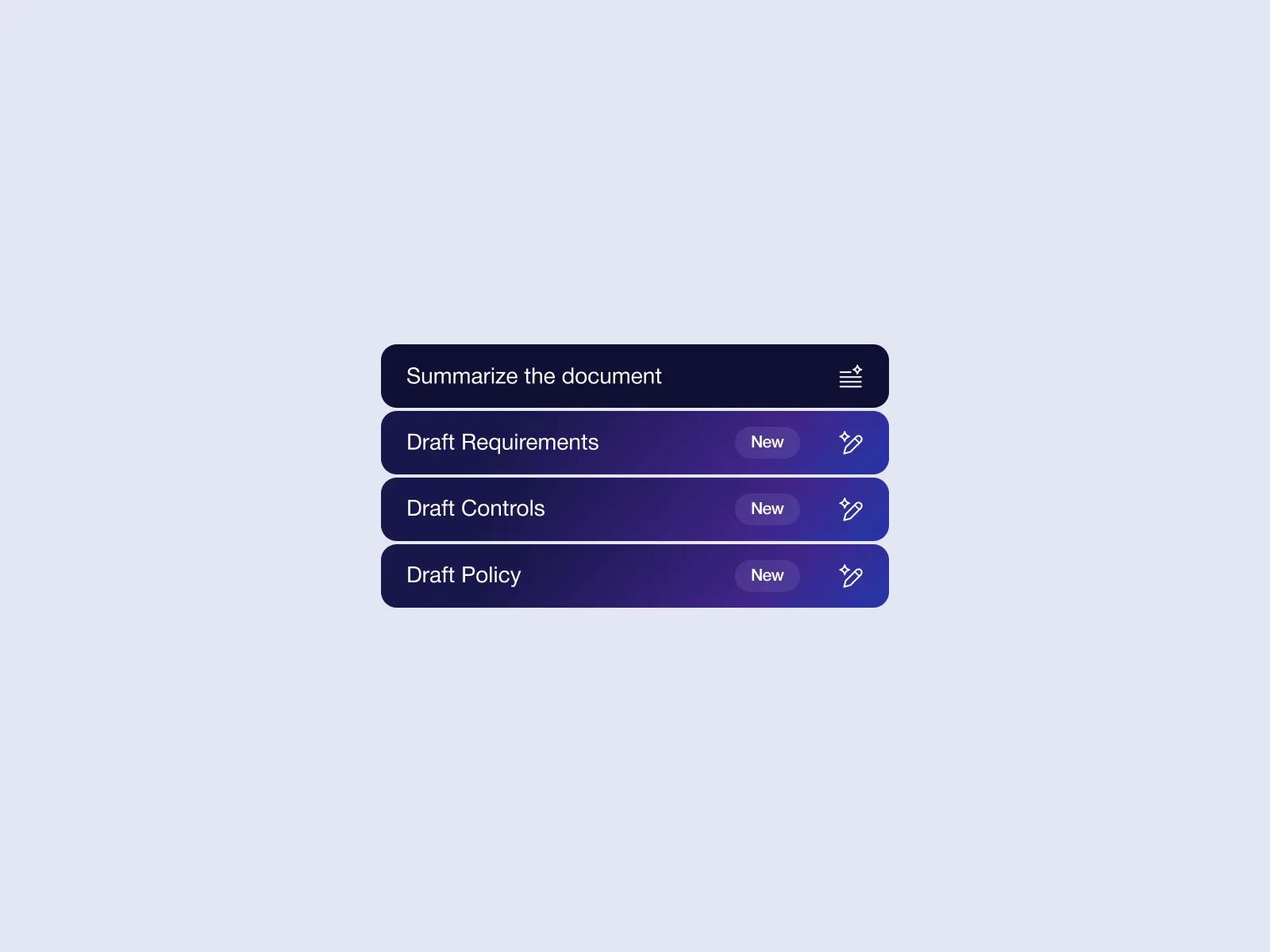
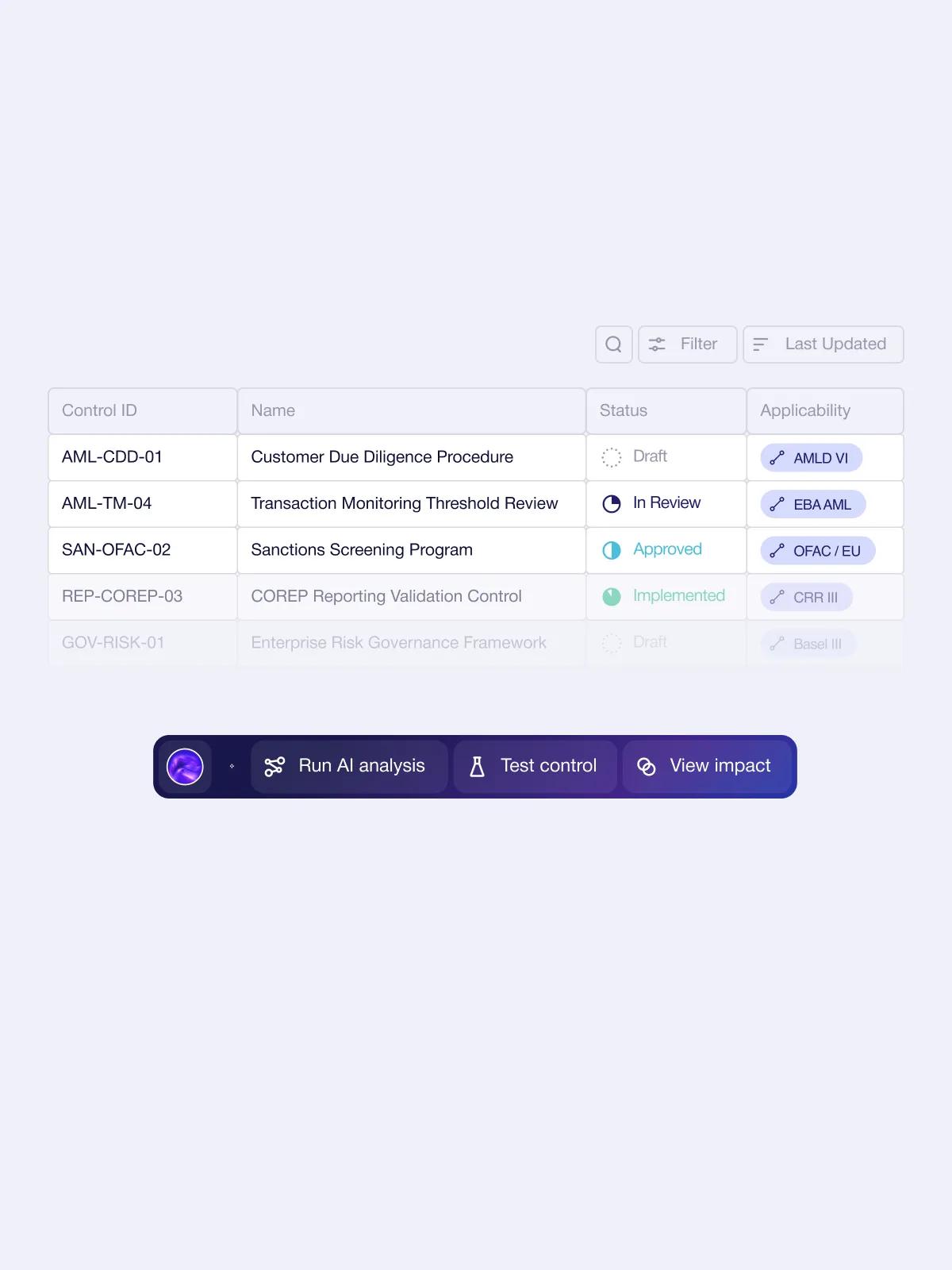
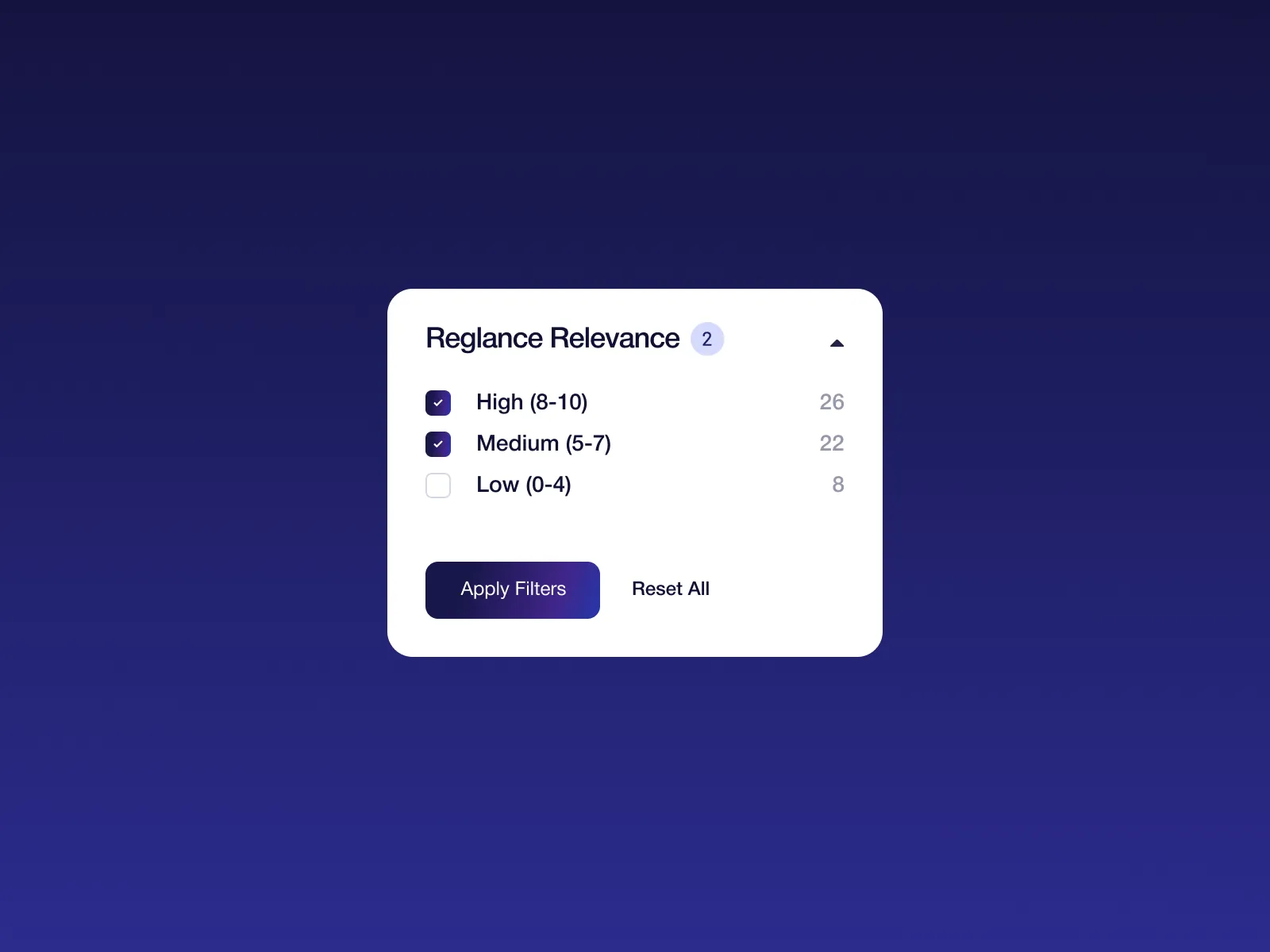
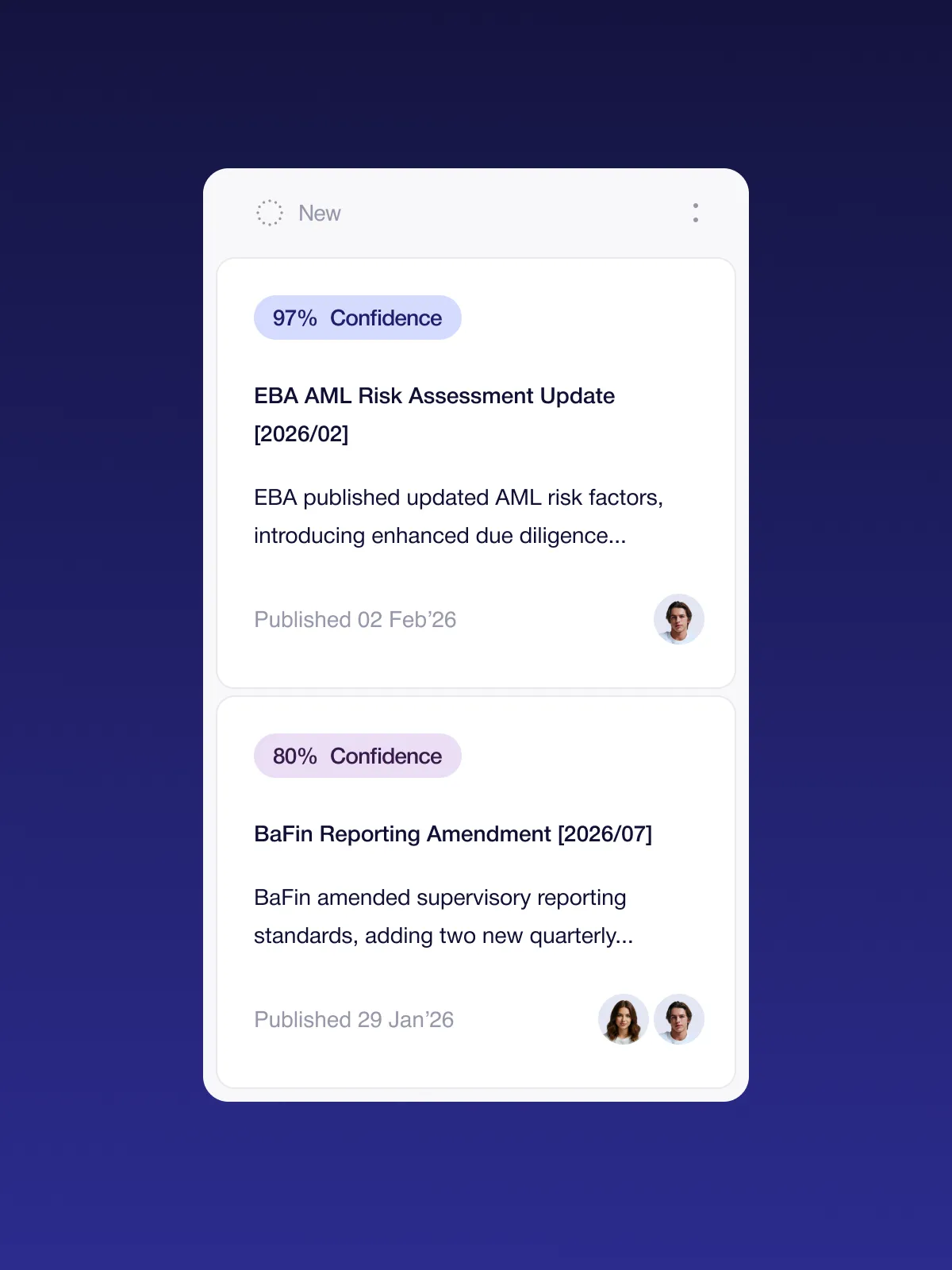
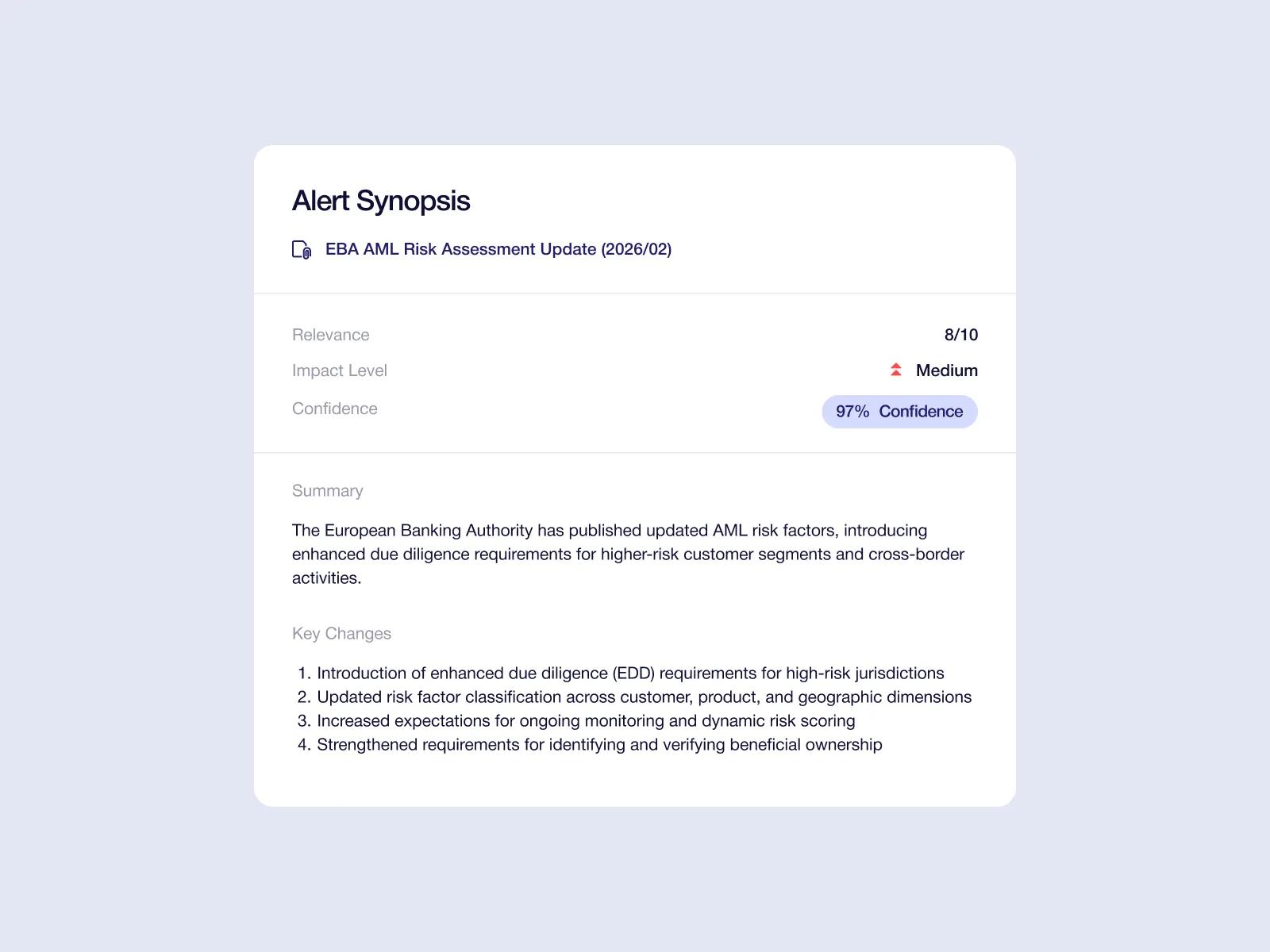
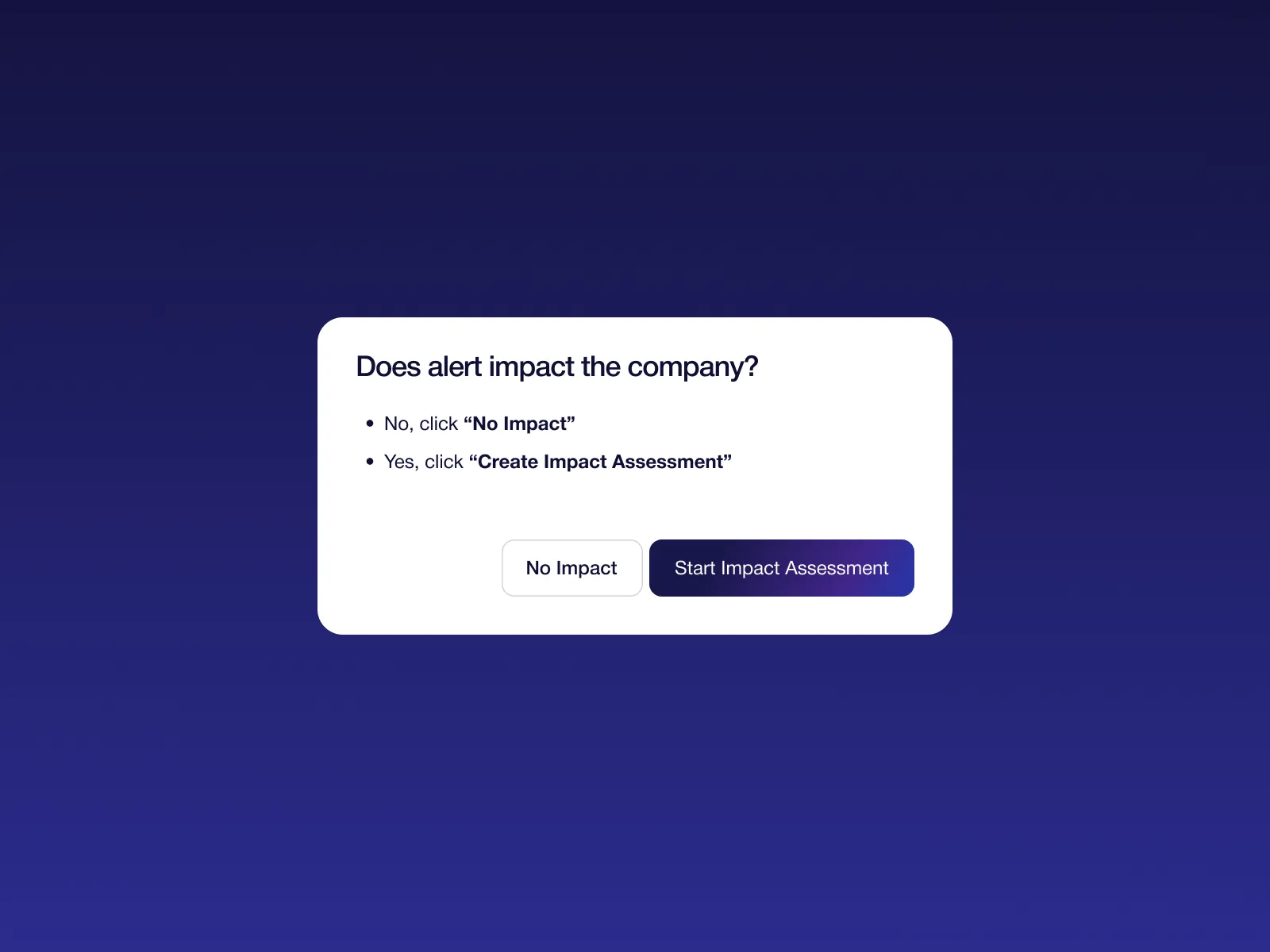
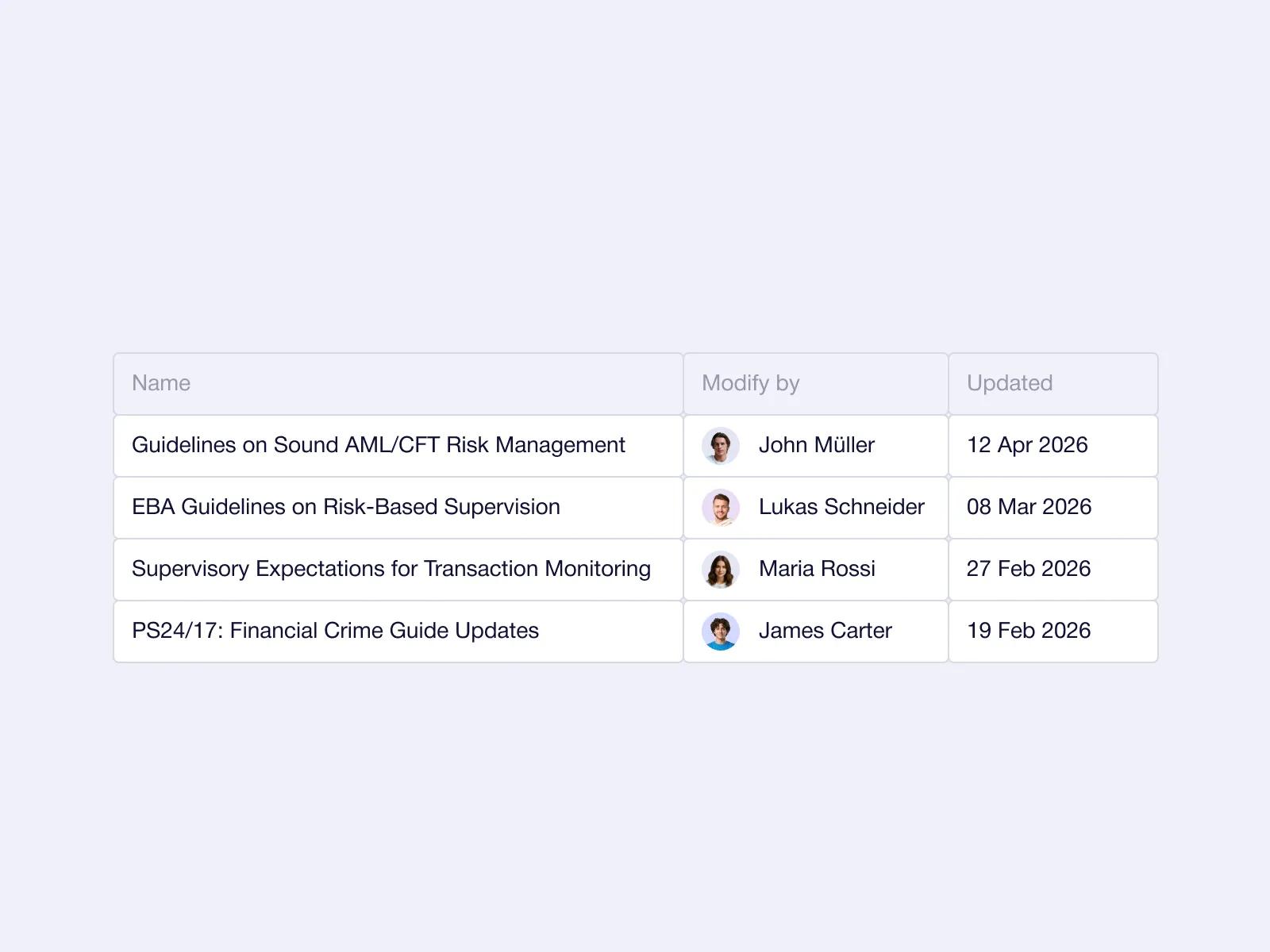
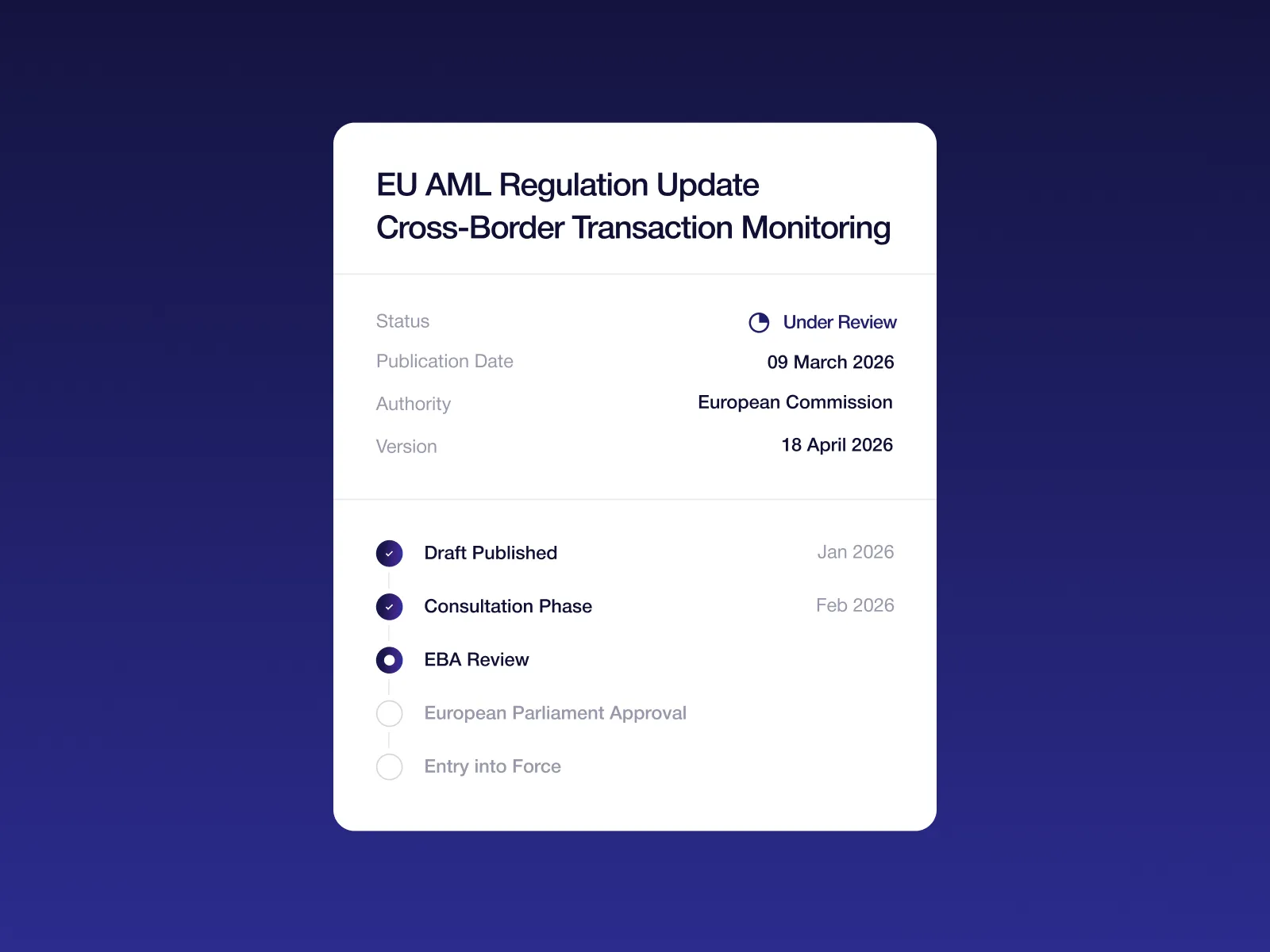
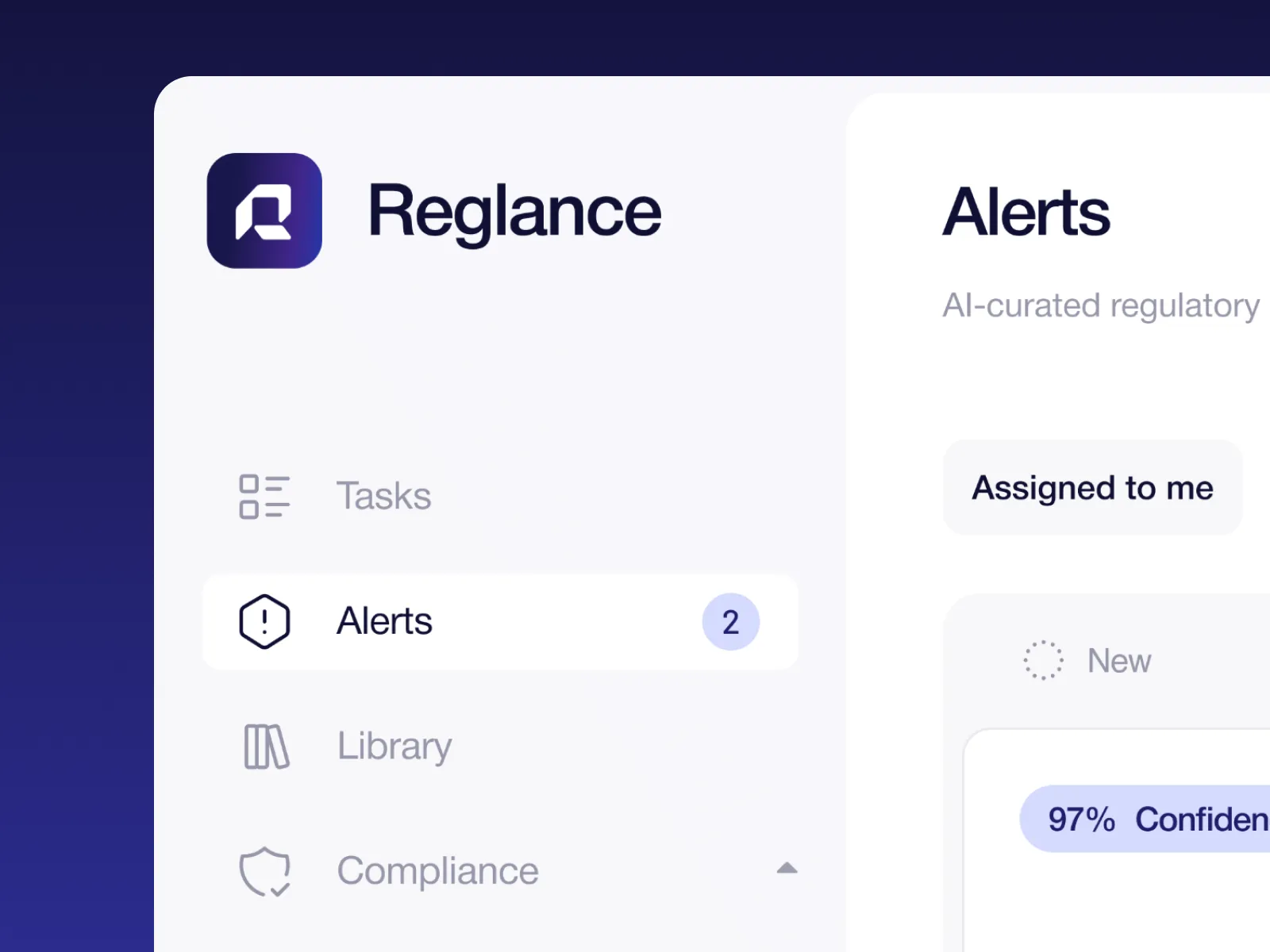
[✳]The platform was engineered around several tightly integrated capabilities, each addressing a specific gap in the company's previous compliance workflow. Rather than layering automation on top of existing processes, the system replaced fragmented manual routines with a unified, AI-native architecture designed for scale, accuracy, and speed across all 37 regulated markets.
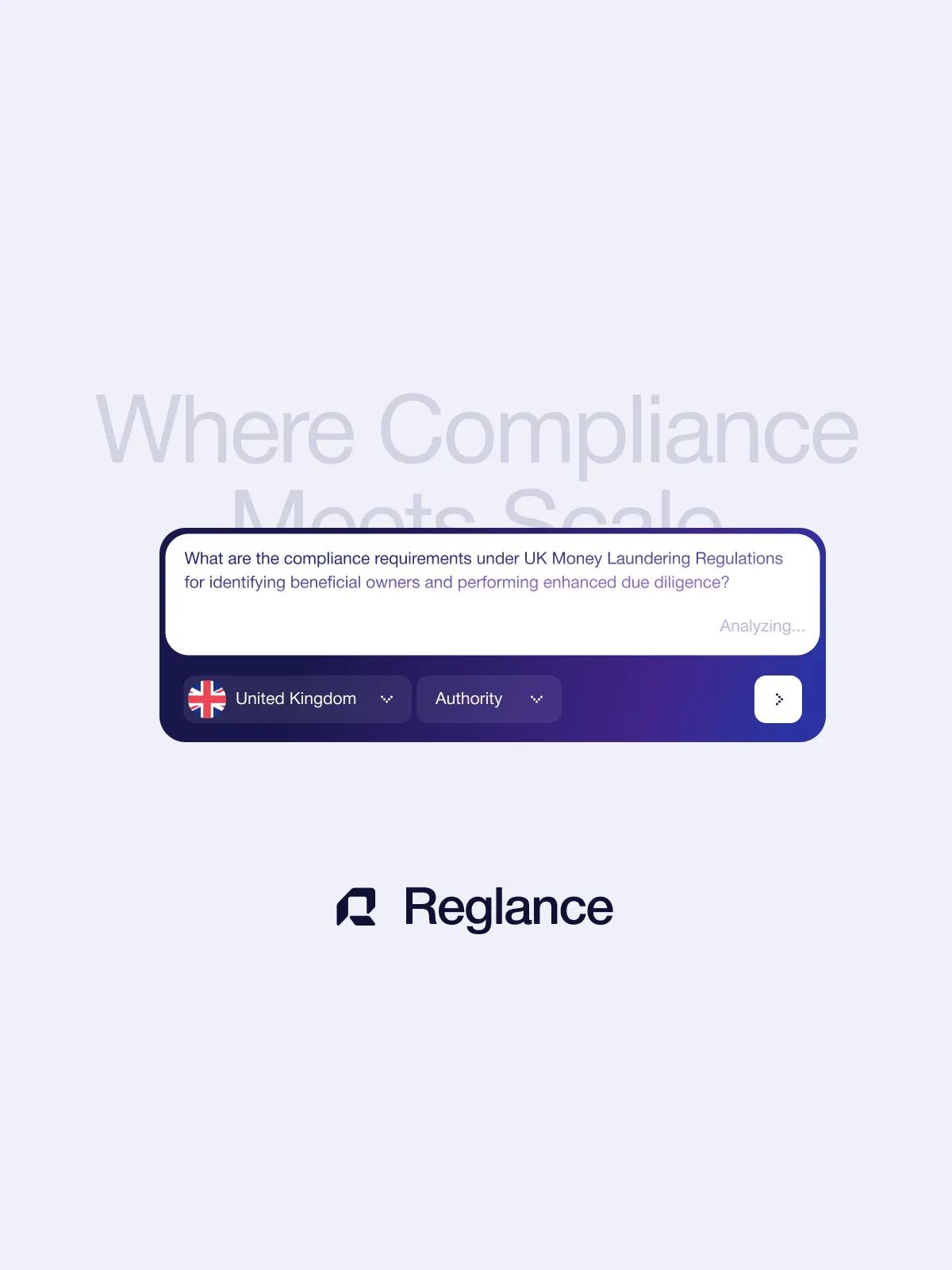
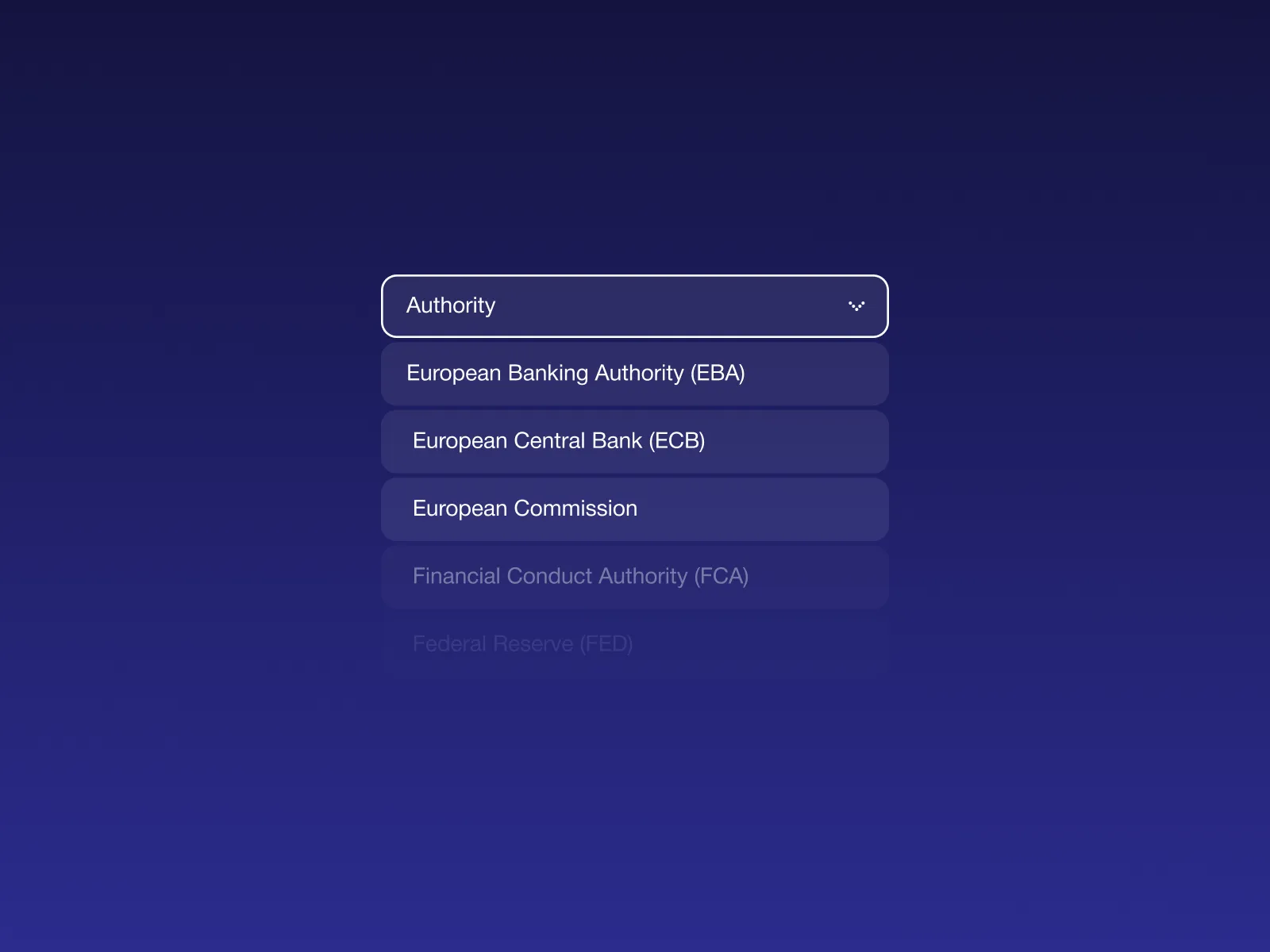

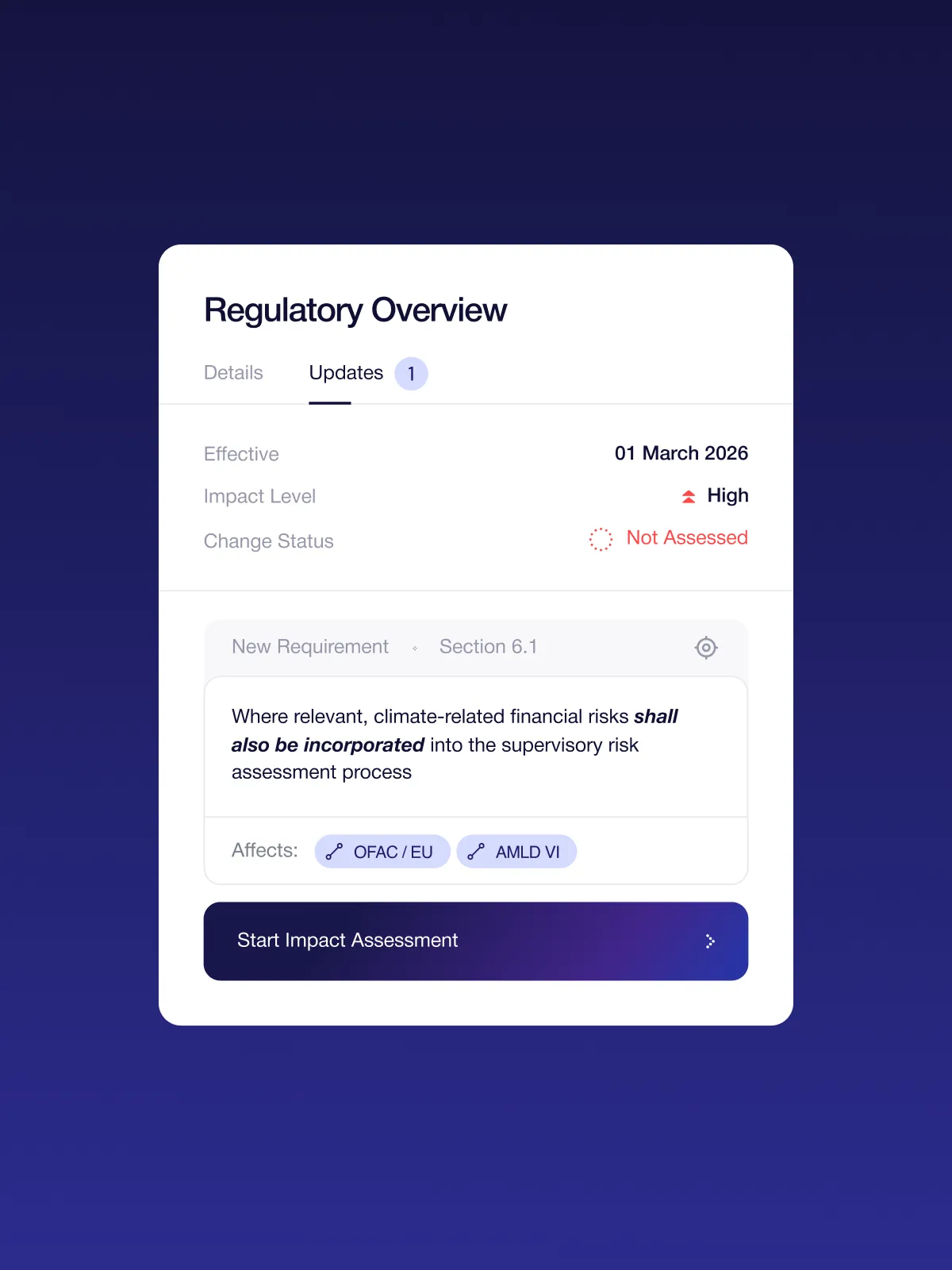

Sources continuous regulatory monitoring
Automatically scans connected legal sources across jurisdictions—detecting relevant changes in real time without manual tracking.
Confidence AI-generated alerts
Delivers structured alerts with jurisdiction, source links, obligations, effective dates, and impact scoring.
Impact score prioritised signals
Evaluates the significance of each regulatory update—helping teams focus on the most critical changes first.
Have a project
in mind?
Business Benefits
[✳]In early 2025, the client rolled out the regulatory monitoring system as a supporting tool. It is now used alongside existing business processes and other AI tools that we delivered. Following the system's launch, the compliance team checks regulatory change sources twice a week instead of daily. That represents a perceived decrease in time spent on manual monitoring of up to 40%. The team expects the time savings to accrue over time as members become more accustomed to it, and the high output accuracy builds trust in the system as a whole and in artificial intelligence as an inevitable part of it.
The system also enables the team to pinpoint critical regulatory changes nine times more quickly. Instead of identifying a relevant change weeks after it's published, the team now detects it in 3 days on average. Most importantly, the team missed zero critical regulations since the system was deployed. As the system consolidates all information on upcoming regulatory changes in one place, the team could add proactive regulatory landscape analysis to its reporting to the board. This provides executives with the visibility they need to make informed strategic decisions.
Now confident in the company's compliance-monitoring capabilities, the board approved an expansion into five new markets in 2026.

The Team
[✳]Chief AI Officer & AI Architect
Defined the overall AI strategy and designed the multi-agent system architecture for regulatory monitoring. Established how agents interact, reason, and produce structured outputs.
ML Engineer (NLP)
Built document processing and translation pipelines for multilingual regulatory data. Developed entity extraction models to identify obligations, restrictions, and key metadata.
ML Engineer (Agents)
Developed agents responsible for continuous monitoring of 80+ regulatory sources. Implemented ingestion logic to detect updates and structure incoming data.
MLOps Engineer
Deployed models into production and set up monitoring for performance and reliability. Built retraining pipelines to maintain model quality over time.
Senior Backend Developers (×2)
Designed the data architecture and structured storage for regulatory entities and documents. Built APIs and business logic for linking documents, obligations, and alerts.
Frontend Developer
Developed the compliance dashboard for alert tracking and analysis. Implemented dynamic UI components for displaying regulatory updates and impact scores.
UX Designer
Designed the dashboard interface and structured complex regulatory data into clear workflows. Defined information architecture for alerts, documents, and impact analysis.
Business Analyst
Collected and structured requirements from compliance stakeholders. Defined alert prioritisation logic, impact scoring criteria, and classification taxonomy.
Technical Project Manager
Coordinated cross-functional teams and managed delivery timelines. Maintained communication with stakeholders and ensured alignment on scope and priorities.
Frequently Asked Questions
[9]When should a company build its own compliance monitoring software instead of buying one?
A company should consider building its own compliance monitoring software when off-the-shelf tools cannot support the way the business actually operates. Custom software makes the most sense when compliance workflows are highly specific, deeply connected to internal systems and proprietary data, spread across multiple jurisdictions or business units, or important enough to be treated as a strategic capability rather than just an administrative function. The main benefit of custom software is better fit: it can match your exact workflows, reporting needs, approval logic, and integrations instead of forcing teams to work around tool limitations. It can also provide more control, cleaner usability for internal teams, and better long-term flexibility as requirements evolve. That said, building is usually not the right choice for companies with standard compliance needs, limited internal product or engineering capacity, or a need to move quickly. In many cases, buying is still the better option. Custom is worth it when the gaps in existing tools create real operational friction, manual work, or risk that is significant enough to justify the added cost, time, and ownership.
How does a compliance monitoring software automate compliance workflows?
An AI-driven regulatory monitoring platform helps organisations automate compliance workflows by streamlining best-practice processes, reducing manual effort, and improving consistency across teams. It can support intelligent issue and action management, automate task assignment, and trigger automated alerts when regulatory changes, deadlines, or risks require attention. Many platforms also simplify automated approvals, automated control assessments, and automated impact assessments, helping compliance teams respond faster and with greater accuracy. By centralising compliance processes, centralised documentation, and document linking, the platform creates a more connected workflow and improves real-time compliance visibility. Features such as policy attestations and exam-ready reporting also help organisations stay organised, demonstrate accountability, and prepare for audits or regulatory reviews more efficiently.
How customisable and scalable is a compliance monitoring software?
An AI-driven regulatory monitoring platform is designed to be both customisable and scalable, allowing organisations to adapt the software to their specific compliance requirements, internal structures, and industry demands. Teams can configure workflows, set automated alerts, and manage a compliance calendar that reflects their own deadlines, review cycles, and regulatory obligations. Many platforms also support compliance risk assessment, control testing, and tailored documents, making it easier to align the system with internal policies and operating models. Advanced solutions often include customisable features such as role-based dashboards and graphical dashboards with drill-down capabilities, giving different stakeholders the visibility they need. They can also support integration with existing systems and enable mapping cases to processes, controls, risks, policies, and regulations, which improves traceability and reporting of cases and incidents. As compliance needs grow, the platform can scale across business units, geographies, and regulatory frameworks without requiring organisations to rebuild their processes from scratch.
How can a compliance monitoring software support industry-specific compliance needs?
An AI-driven regulatory monitoring platform can be adapted to support the specific compliance requirements of different industries by aligning monitoring, assessment, and reporting capabilities with relevant laws, standards, and operational risks. In healthcare, it can help organisations address HIPAA obligations and strengthen compliance risk assessment around patient data and privacy. In finance, it can support broader compliance frameworks, risk ratings, and control testing tied to evolving regulatory expectations. In manufacturing, retail, and supply chain-driven sectors, the platform can help track supplier compliance requirements, supply chain compliance, environmental regulations, and workplace safety standards. In technology and education, it can support GDPR, ISO-aligned controls, and other governance requirements related to data protection and operational accountability. By functioning as a flexible regulatory compliance platform, it allows organisations to tailor workflows, controls, and monitoring processes to the unique regulatory challenges of their industry while maintaining stronger visibility and consistency across the business.
How does a compliance monitoring software handle integration and security?
An AI-driven regulatory monitoring platform is typically built to support both seamless integration and strong enterprise-grade security, helping organisations manage compliance data efficiently without compromising protection. Many platforms offer API connectivity and integration with internal business systems, allowing teams to connect workflows, share information, and improve interdepartmental collaboration tools across legal, risk, compliance, and operations functions. A central repository can help consolidate regulatory updates, policies, controls, and related records in one place, while audit trails improve transparency and accountability by tracking actions, changes, and approvals. On the security side, leading platforms often use encryption protocols, role-based access controls, and other protective measures to secure sensitive information. They may also align with recognised standards and frameworks such as GDPR, HIPAA, ISO, NIST, PCI, and other compliance certifications, depending on the use case and industry. Combined with AI-driven analytics, these capabilities help organisations strengthen data protection, maintain operational integrity, and support more secure, connected compliance management.
How does a compliance monitoring software improve policy and document management?
An AI-driven regulatory monitoring platform improves policy and document management by helping organisations connect policies directly to regulatory obligations, centralise documentation, and manage the full policy lifecycle more efficiently. It can support dynamic policy management through AI capabilities that help teams organise, update, and track policies as regulations evolve. Features such as a centralised library or centralised repository make it easier to store and access policies, procedures, and supporting materials in one place, while an obligations register helps link internal documents to specific compliance requirements. Many platforms also include policy templates, version control, and a dedicated policy portal to simplify drafting, publishing, and maintaining documentation across the organisation. Automated reminders, attestations, and board approval tracking further streamline governance by supporting timely reviews, approvals, and employee acknowledgement of key policies. Together, these capabilities help reduce administrative burden, improve consistency, and create a more structured and auditable approach to policy management.
How does a compliance monitoring software support regulatory compliance management?
An AI-driven regulatory monitoring platform helps organisations manage regulatory compliance more effectively by automating the tracking of regulatory obligations, monitoring changes in requirements, and improving alignment between internal policies and external standards. It can provide real-time regulatory updates, automated regulatory alerts, and regulatory intelligence that help compliance teams stay informed about new rules, amendments, and enforcement developments. Many platforms also include tools for regulatory change management, allowing organisations to assess impact, assign actions, and document responses in a structured way. Features such as a centralised compliance library, obligations register, and policy and procedure alignment help create a clear connection between regulatory requirements and internal controls. In addition, capabilities like compliance risk assessment, compliance attestations, audit trail functionality, compliance certifications tracking, and an enforcement action tracker improve accountability, visibility, and preparedness for audits or regulatory reviews. Together, these features help reduce manual monitoring, strengthen governance, and support a more proactive approach to compliance management.
How does a compliance monitoring software improve reporting and audit readiness?
An AI-driven regulatory monitoring platform improves reporting and audit readiness by helping organisations generate structured, exam-ready documentation and maintain clear evidence of ongoing compliance activities. It can automate workflows, organise centralised documentation, and store records in a digital repository so teams can quickly access the materials needed for internal reviews, external audits, or accreditation processes. Features such as automated compliance checklists, compliance binder reports, and detailed reports make it easier to demonstrate continuous compliance and identify compliance gaps before they become larger issues. Many platforms also support control testing, evidence attached to cases or actions, and full audit trail visibility, which strengthens accountability and simplifies review processes. Combined with dashboard and analytics features, these capabilities give compliance teams a clearer view of status, risks, and outstanding tasks, helping them prepare more efficiently and respond to audits with greater confidence.
What kind of user experience and support should organisations expect from a compliance monitoring software?
An AI-driven regulatory monitoring platform should offer a user-friendly design that makes it easier for teams to manage compliance activities without adding unnecessary complexity. Strong platforms typically combine intuitive navigation with practical tools for task management, documentation management, reporting capabilities, and real-time alerts, helping users work more efficiently across day-to-day compliance processes. In addition to the software itself, organisations often benefit from expert implementation services, advisory services, compliance training videos, a searchable knowledge base, and industry-leading support that helps teams adopt the platform successfully and use it with confidence. Ongoing enhancements are also important, as they ensure the system continues to evolve alongside regulatory demands and user needs. While usability is key, strong platforms also maintain enterprise protections such as encryption protocols, balancing ease of use with secure and reliable compliance management.