Business Process
Optimisation
We help leadership teams eliminate manual drudgery and operational friction by analysing workflows, identifying bottlenecks, and mapping the right solutions, whether that's automation, better tooling, or simply a smarter process. Not every fix is software. Sometimes the answer is a better workflow, improved coordination between teams, or clearer decision logic. We figure out which is which, then deliver plans that actually get implemented.


Why Work With a Specialist
Process Optimisation Consultancy
[✳]Choosing the right partner for process optimisation matters more than most organisations realise. Internal teams often lack the time or detachment to challenge their own workflows honestly. We bring deep sector expertise across financial services, corporate real estate processes, facilities management services, and asset management. Our methodology draws on lean and six sigma principles where they apply, but we're not married to any single framework.
Through structured analysis and honest recommendation, we deliver optimisation plans that actually get implemented because they're grounded in how teams really work, not how process diagrams say they should. Most process improvement initiatives fail because they automate the wrong things or assume automation is always the answer. We start with rigorous workflow mapping to identify where staff time goes, which tasks are repetitive and rule-based, where manual steps introduce errors, and which bottlenecks have the greatest impact on throughput.

from Process Optimisation)
Reduction in manual processing hours
Achieved through identifying repetitive, rule-based tasks and systematically removing them from human workflows through process redesign or targeted automation.
Fewer errors in optimised workflows
Delivered by eliminating manual steps that introduce mistakes and implementing automated validation and quality checks at critical process junctures.
Faster process cycle times
Realised by removing bottlenecks, eliminating non-value-adding steps, and streamlining handoffs between teams and systems.
Better integration across platforms
Enabled by mapping data flows, consolidating disparate systems, and implementing unified workflows that reduce manual re-entry and improve data consistency.
Proven Process
Optimisation Solutions
[✳]Process optimisation delivers competitive advantage across the board: faster turnaround on critical workflows, lower operational costs through reduced manual effort, and higher quality through fewer errors. The efficiency gains compound as teams adjust to redesigned processes and discover additional optimisation opportunities. We've refined each solution below through repeated deployment across financial services, asset management, and corporate operations, understanding the specific constraints and compliance requirements that define success in regulated environments.
We map end-to-end processes in granular detail, documenting each step, decision point, and handoff. Using process mapping techniques, we identify redundancy, parallelisation opportunities, and unnecessary delays. The result is a redesigned workflow that preserves business logic while eliminating friction and manual effort where feasible.


Not every task should be automated, and not every automation delivers ROI. We assess which process steps are candidates for automation, estimate the cost and effort required, and calculate the payback period. We distinguish between tasks best handled by better tooling versus tasks that require custom software development versus tasks best left unchanged.


The right tool matters. We evaluate commercial off-the-shelf solutions, assess their fit against your workflows, and design integration approaches that minimise disruption and manual data movement. Integration planning covers API connectivity, data migration, and rollback strategies.


Manual document handling is a common bottleneck. We assess where documents enter the system, how they move through workflows, where they're stored, and when they're discarded. We then redesign the flow using document management systems, optical character recognition, and automation to eliminate manual handling where safe and practical.


Many bottlenecks aren't within a single team—they're in the handoffs between teams. We map inter-team dependencies, identify communication gaps, and design workflows that reduce waiting time and coordination overhead through better visibility and automated escalation.


Where Process
Optimisation Works Best
)Process optimisation delivers measurable results across multiple sectors. We bring deep experience working with teams in asset management, financial services, and corporate operations, understanding the compliance constraints, volume requirements, and audit trails that define success in regulated industries.
- Asset Management & Investment Funds
- Banking & Financial Services
- Private Equity & Venture Capital
- Audit & Assurance
- Governance, Risk & Compliance
- Personal Finance
- Wealth Management
- Treasury & Liquidity Management
Case Studies
[3]- AI-Driven Compliance Monitoring Software
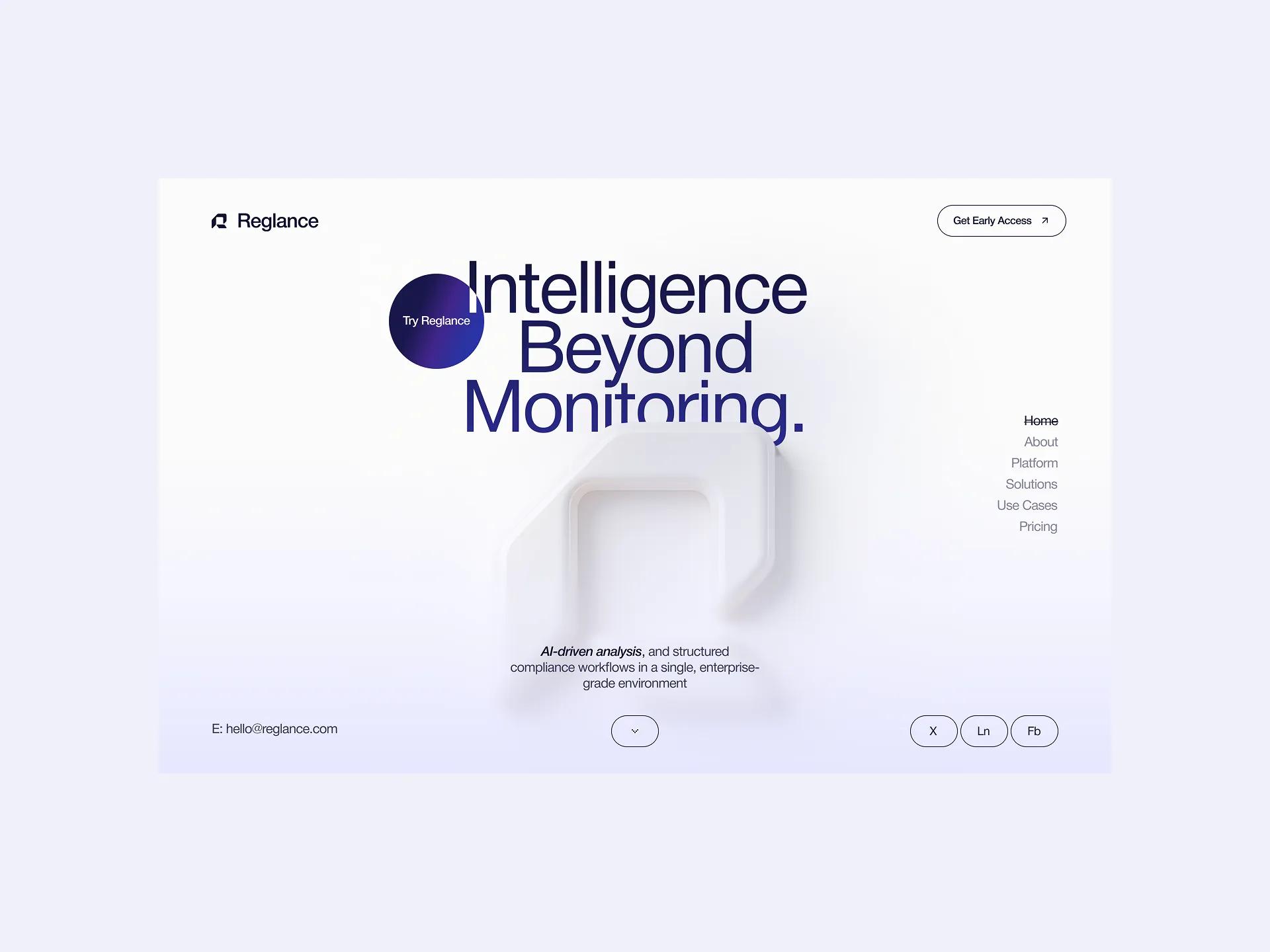
How we built an AI-driven compliance monitoring platform that reduced detection time from 28 days to 3 — covering 80+ sources across 37 jurisdictions and 21 languages for a leading European payment processor.
- Vorx
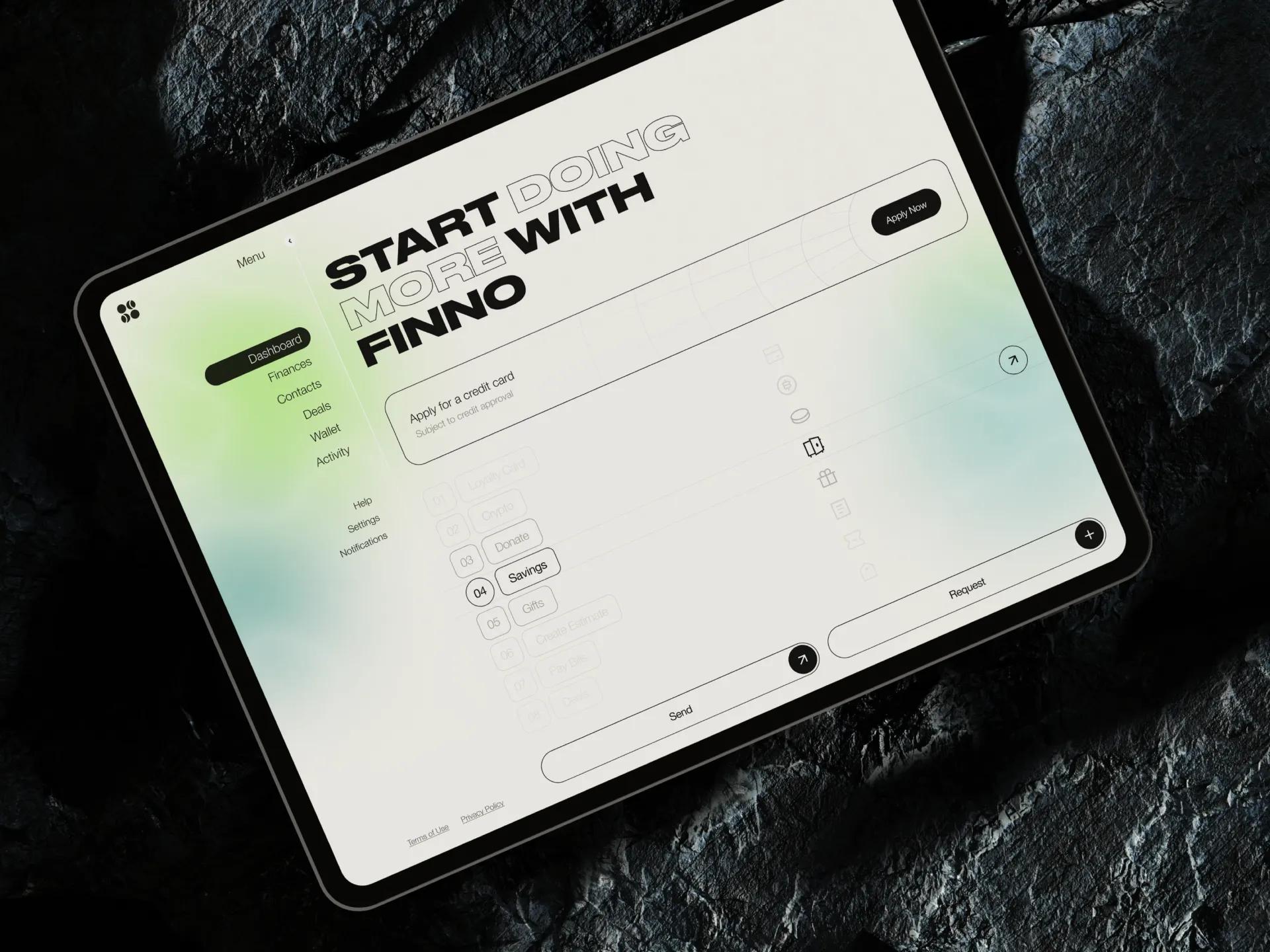
Personal finance account aggregation app
US personal finance platform that unifies bank accounts, creates intelligent budgets, and tracks financial goals through open banking APIs and resilient account-aggregation architecture.
- Quicked7
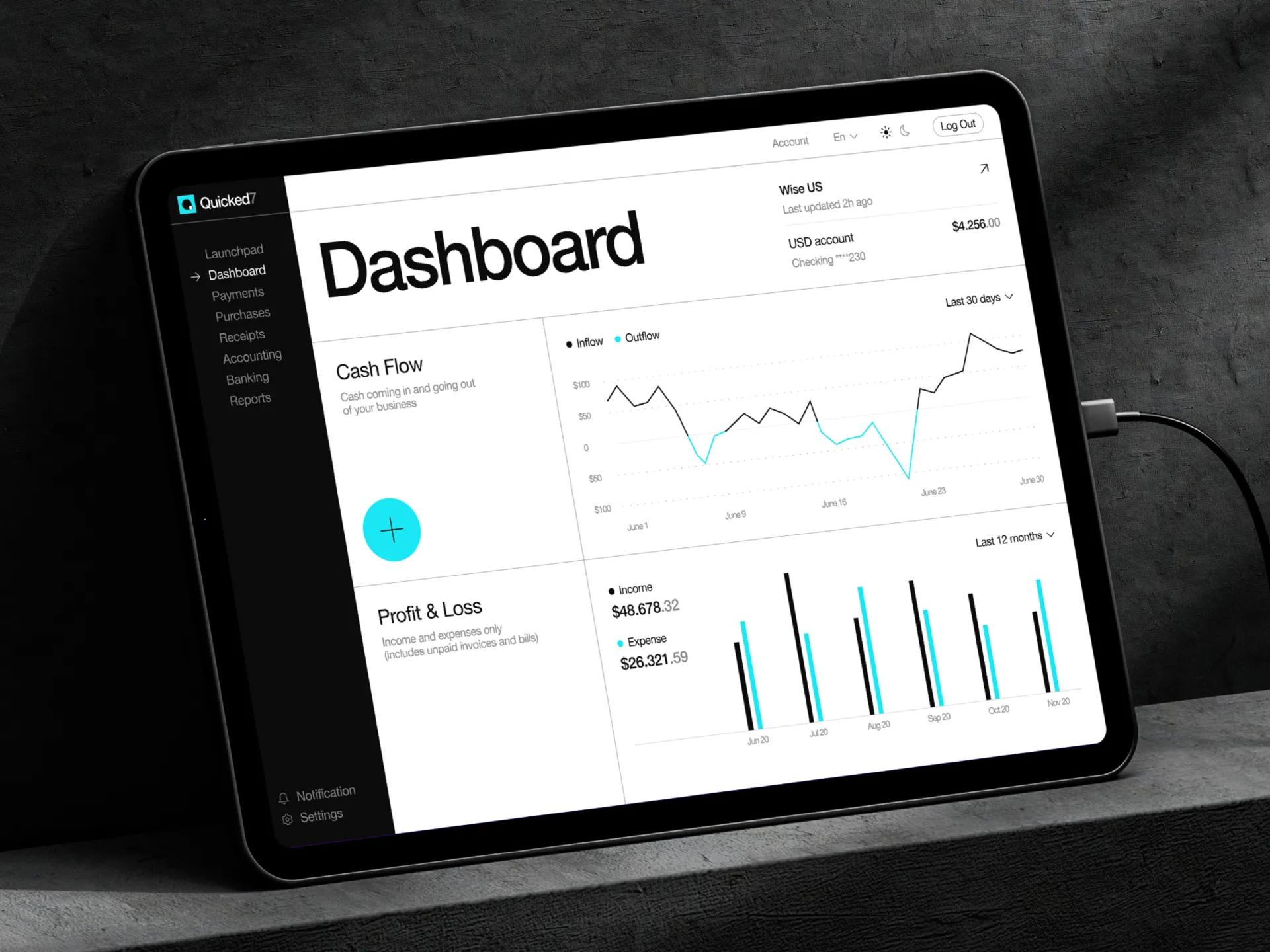
Automated bookkeeping and invoicing platform
UK SaaS platform for freelancers that automates bank reconciliation, invoice generation, and payment tracking without requiring users to understand accounting concepts.

Process Optimisation
Methodology
[✳]Every process optimisation engagement starts from a place of honest assessment. We observe how work actually happens, not how it's supposed to happen on paper. Our structured methodology ensures we understand the full picture before recommending change.












Engagement Models for
Process Optimisation
[✳]Monthly or Quarterly Retainer
Ideal for organisations that want ongoing process optimisation support. A retainer guarantees dedicated capacity for new initiatives, follow-up on previously implemented changes, and continuous improvement of existing workflows. This model works well when process improvement is strategic priority rather than a one-off project.
Fixed-Scope Optimisation Project
For a defined workflow or set of workflows, we conduct full discovery, analysis, and deliver an optimisation plan with implementation roadmap. Clear scope boundaries, fixed timeline, and deliverables agreed upfront. Best suited to organisations ready to commit to implementing recommendations soon after delivery.
Time & Materials (Project Boost)
Short-term engagement for capacity augmentation, urgent bottleneck analysis, or specialist expertise. Billing is based on actual hours worked. This model provides maximum flexibility to scale effort up or down as priorities shift and is well-suited to exploratory or discovery-heavy work.
Embedded Process Analyst
A BN Digital consultant joins your team as a direct contributor, working within your processes and reporting to your operations leadership. This model works well when you need external perspective embedded in day-to-day operations, or when change management requires a trusted external voice advocating for new processes.

FAQ
[10]How do I know if a process is a good candidate for optimisation?
Good candidates typically have clear starting and ending points, involve repetitive tasks, create bottlenecks elsewhere in the business, or have high manual effort for work that follows consistent rules. Financial processes, document handling, approvals workflows, and order fulfilment are common candidates. We assess suitability during discovery.
What does a typical process optimisation project involve?
A typical project runs 4–12 weeks depending on complexity. We start with discovery (2–3 weeks), move to analysis and solution design (2–3 weeks), deliver a formal recommendation with implementation roadmap, then support implementation and change management if you choose. We maintain contact during and after rollout to measure results.
How much does process optimisation cost?
A fixed-scope optimisation project typically ranges from £15,000 to £45,000 depending on process complexity and scope. Retainer engagements start at £3,000–£5,000 per month. Time and materials engagements are billed at hourly rates with full visibility into team composition. We provide cost estimates during discovery before you commit to proceed.
What if the optimisation involves technology we're not sure about?
We distinguish between tooling and custom development. If the solution involves evaluating software, we conduct tool selection and integration planning as part of the project. If custom software development is required, we connect you with our development team, but the process optimisation work—the thinking about workflows and bottlenecks—is separate and valuable on its own.
How do you handle change management?
Change management is built into implementation planning. We work with operations leaders to communicate the changes clearly, explain why they matter, train teams on new processes, and track adoption metrics. We're realistic about the fact that people resist change; our role is to explain the "why", address concerns directly, and support teams through the transition.
Can optimisation work if we're in a regulated industry?
Yes. Regulated industries often have more process rigour than unregulated ones, which can actually make optimisation easier. We understand compliance constraints, audit requirements, and approval workflows. Our recommendations always maintain the controls and audit trails that regulators expect.
What if the analysis shows we need custom software?
That's a common outcome. If the optimisation analysis reveals that a workflow would benefit from custom tooling, we can discuss it with our development team. But that's a separate engagement with different scope, timeline, and cost. The process analysis itself is still valuable and complete on its own.
How do you measure success in process optimisation?
We establish baseline metrics during discovery (cycle time, manual effort, error rate, cost per transaction) and define success criteria upfront. We then track performance against those metrics for 8–12 weeks after implementation. Success typically looks like measurable improvement in cycle time, reduction in manual effort, or lower error rates—ideally all three.
Do you guarantee improvement?
We guarantee a rigorous analysis and honest recommendations. Not every optimisation succeeds at scale; sometimes a workflow is more complex than the data suggests, or teams resist the change more than expected. Where we guarantee value is in the thinking: you'll understand your process better, and you'll have a grounded recommendation for how to improve it, even if implementation takes longer than planned.
Can I pilot an optimised process before rolling it out company-wide?
Absolutely. We typically recommend piloting with one team or one subset of cases first. This gives you real data on whether the redesigned process works in practice and gives your teams confidence before broader rollout. Pilot results inform any refinements before wider implementation.