Connected Apartment Rental Platform
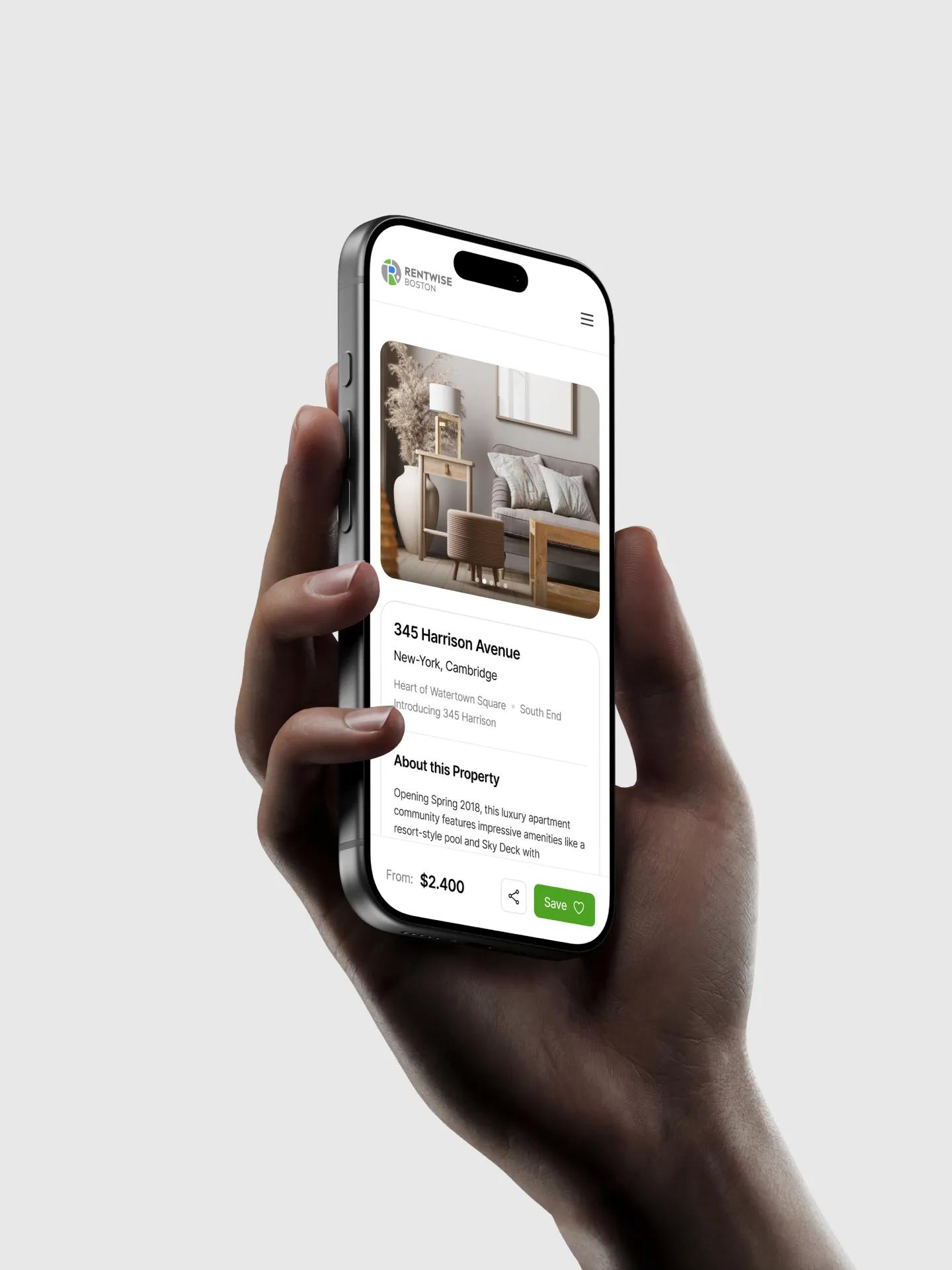
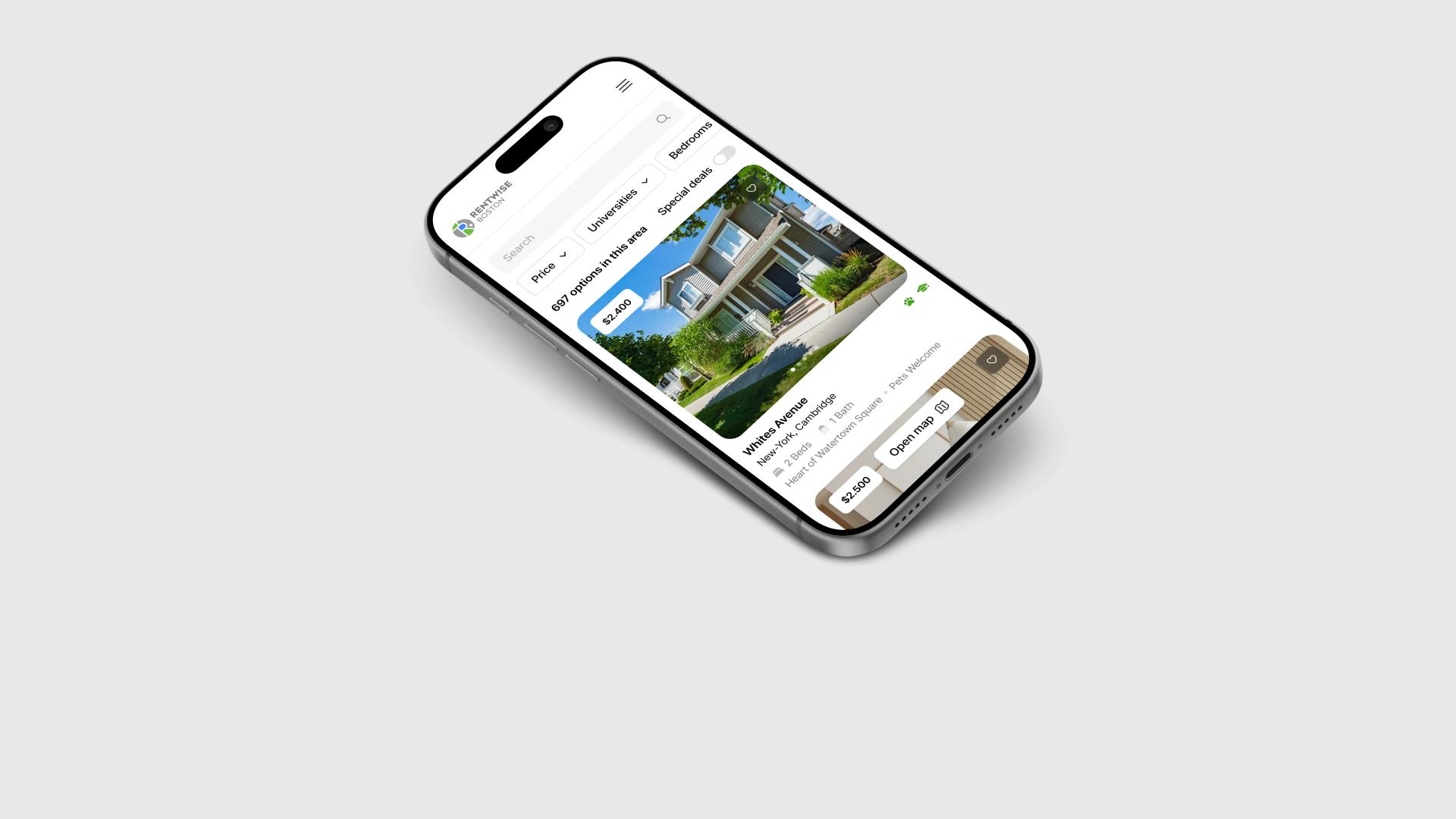
Rentwise Boston is an online apartment rental platform powered by East Coast Realty, operating since 1991. It organises listings around entire buildings rather than individual units, so availability and condition stay transparent, and it pairs every renter with one dedicated agent. In a seasonal, student-driven market where the fastest response usually closes the deal, the company needed its digital stack to match the way renters, owners, and agents actually work. We rebuilt the full funnel: marketing site, property search, internal lead management, and a mobile app for agents in the field.
Solution
- Rentwise Boston
- Boston, United States
- 2025 – ongoing
Services
- Mobile Development
- Front-end Development
- UX Design
- Web Design
Credits
- Fullstack Developers (3)
- Product Designer
- Project Manager
The Challenge
[✳]Boston's rental market is seasonal, fast, and heavily student-driven. Whoever answers first usually closes. Renters have changed too: a generation that books flights, banks, and signs contracts from a phone will not sit through a callback queue or a PDF application. The platform that lets them enquire and qualify in one session is the one they use, and every hour of delay hands the lead to a competitor.
Rentwise had already built parts of the stack in-house, so a vendor keen to start from scratch would have thrown away working systems and institutional knowledge. Building the remainder alone carried its own cost: agent and portfolio tooling is full of traps that only reveal themselves in production, and discovering them the hard way is expensive learning. The team wanted a partner who had already solved these problems on enterprise builds, so proven patterns arrived ready to use and the result could hold up technically against anything else operating in the Boston market.
Younger renters choose the platform that lets them enquire, qualify, and move without paperwork or phone tag. Any friction in that first session sends them elsewhere, and in Boston elsewhere is never more than one tab away.
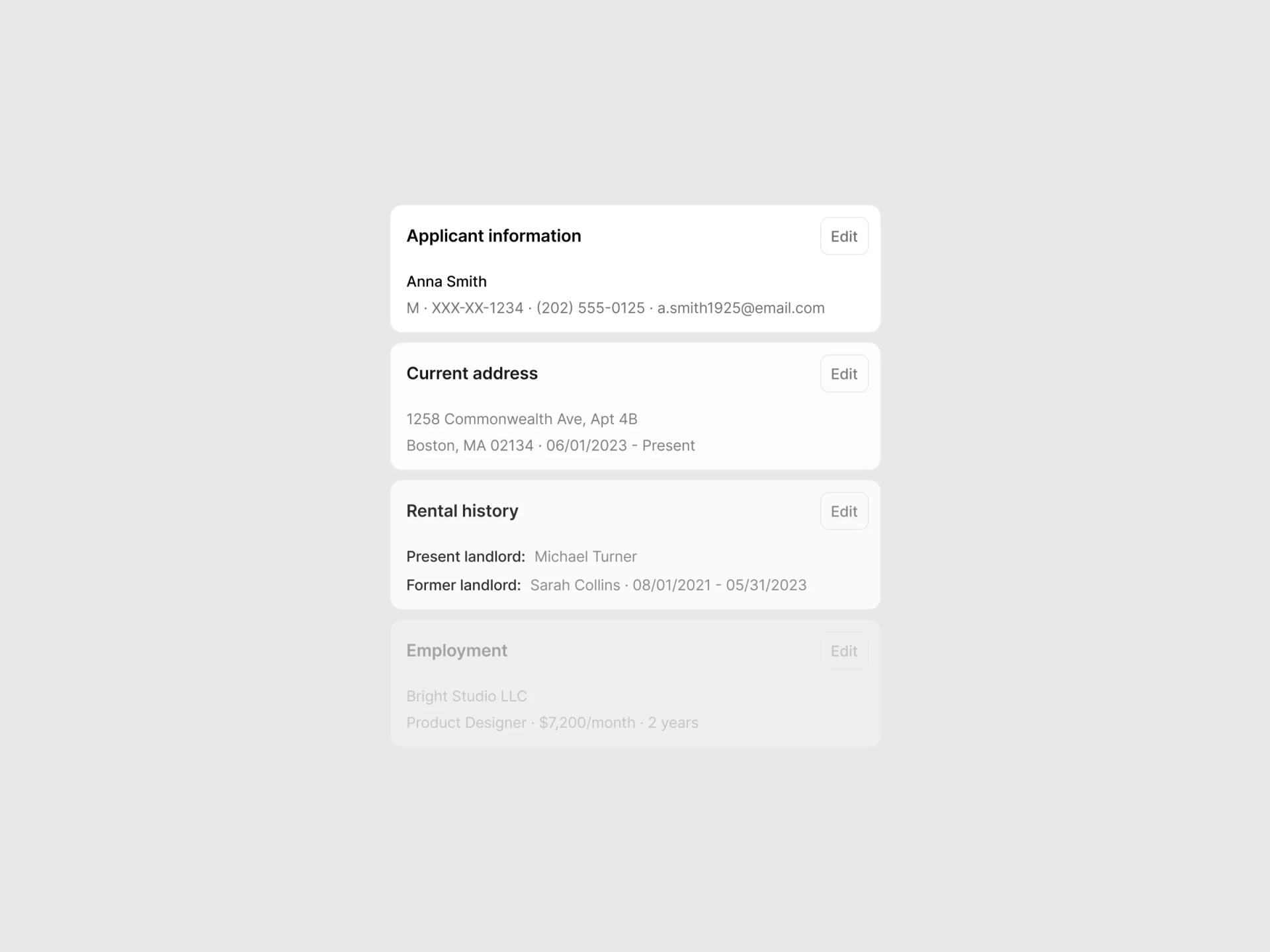
Portfolio decisions need a single, current picture of holdings and movement. Hand-reconciled spreadsheets could not keep up with the pace of the market, and decisions made on stale data cost real money.
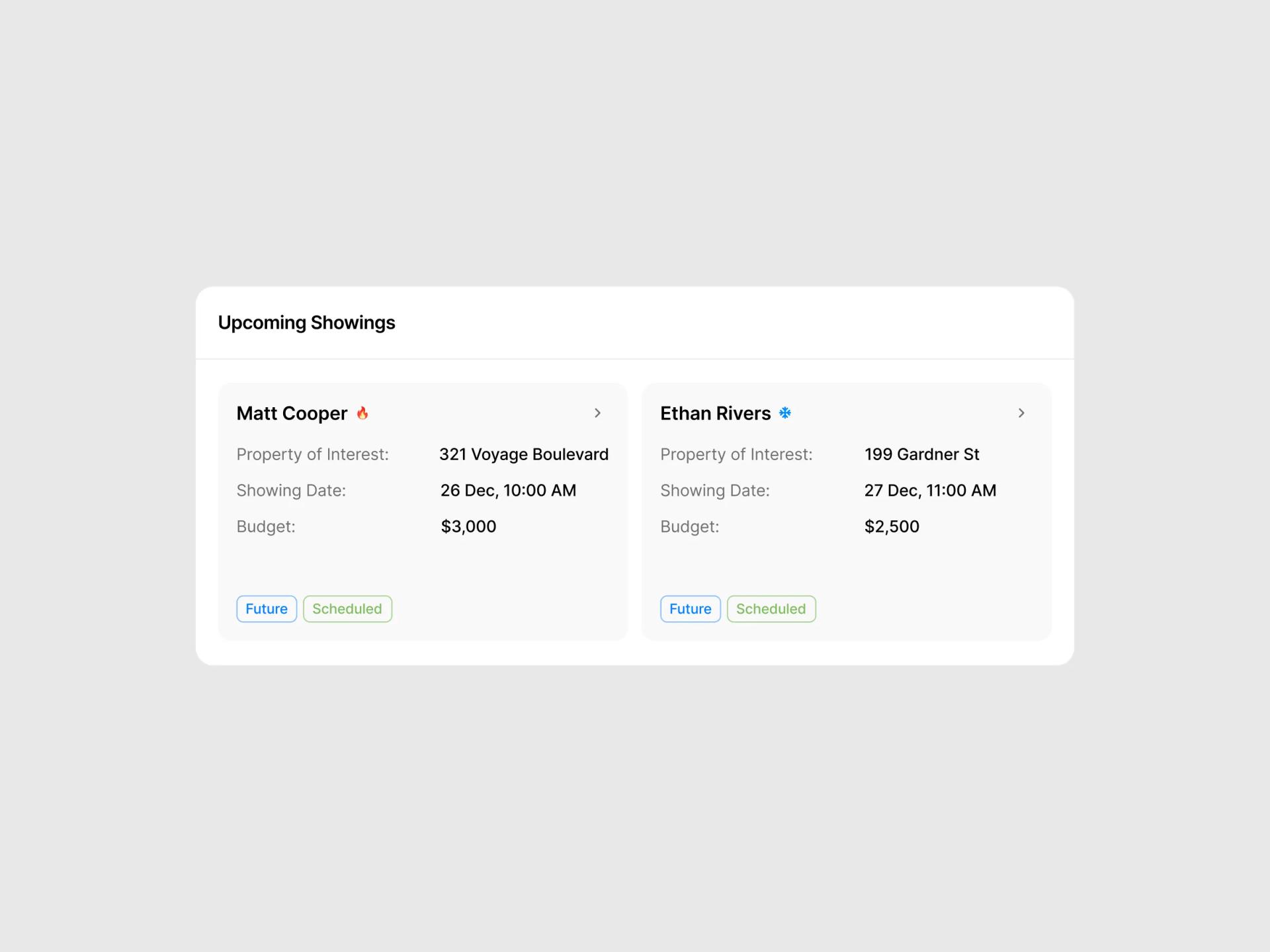
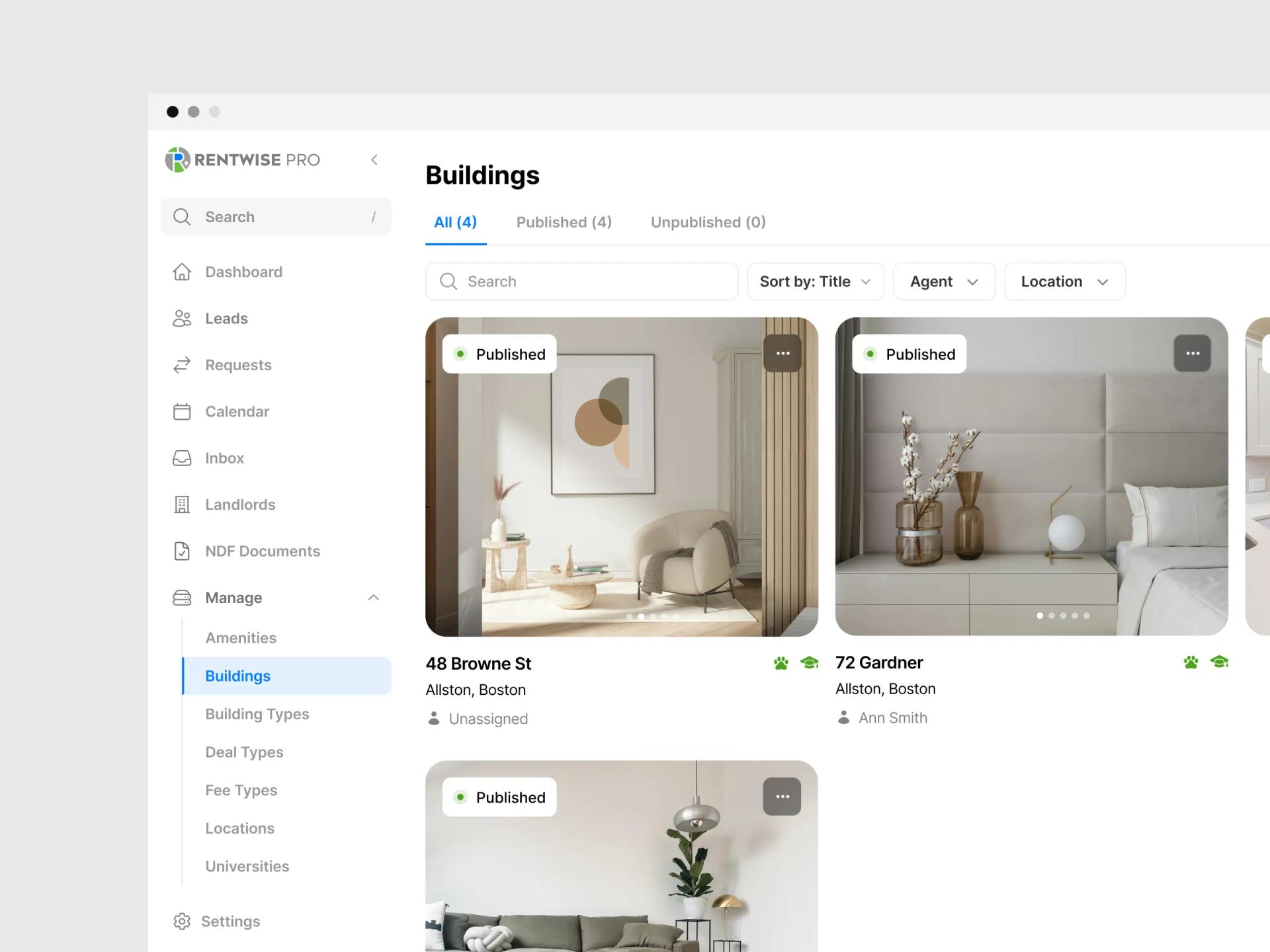
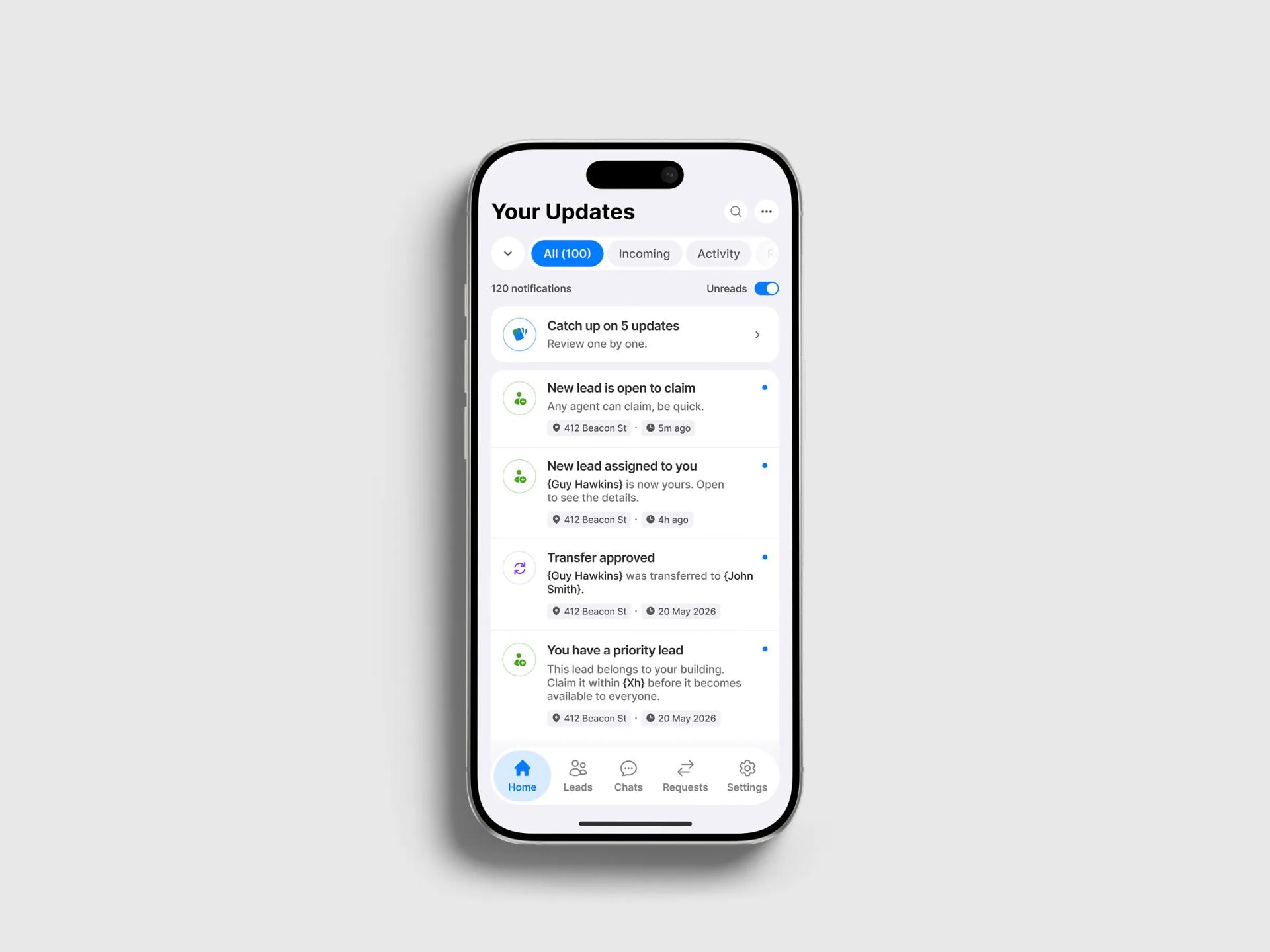
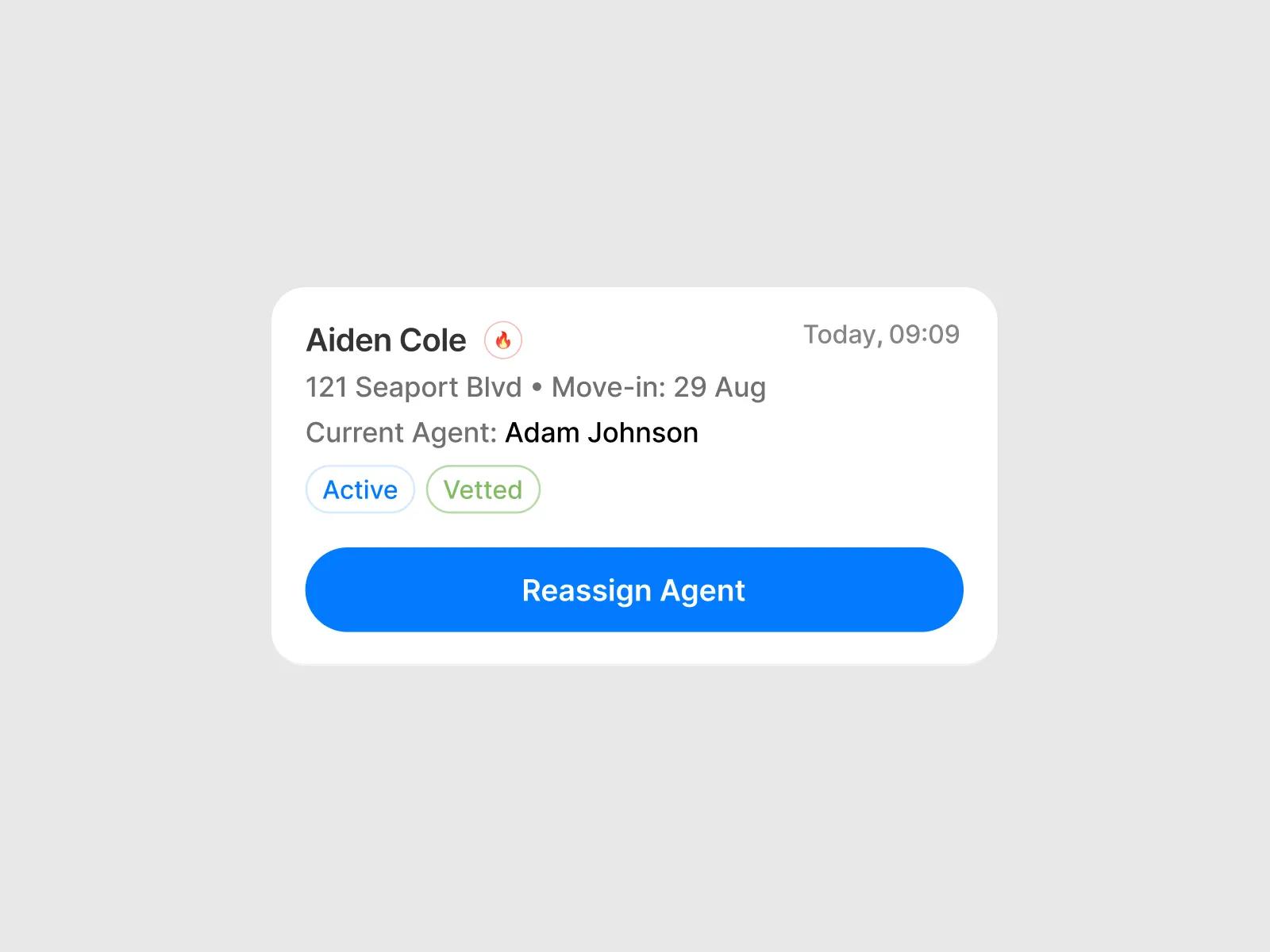
Agents work from showings, stairwells, and car parks. They needed one tool, usable in the field, that carries a lead from first contact through to post-closure without a separate system waiting to be reconciled after hours.
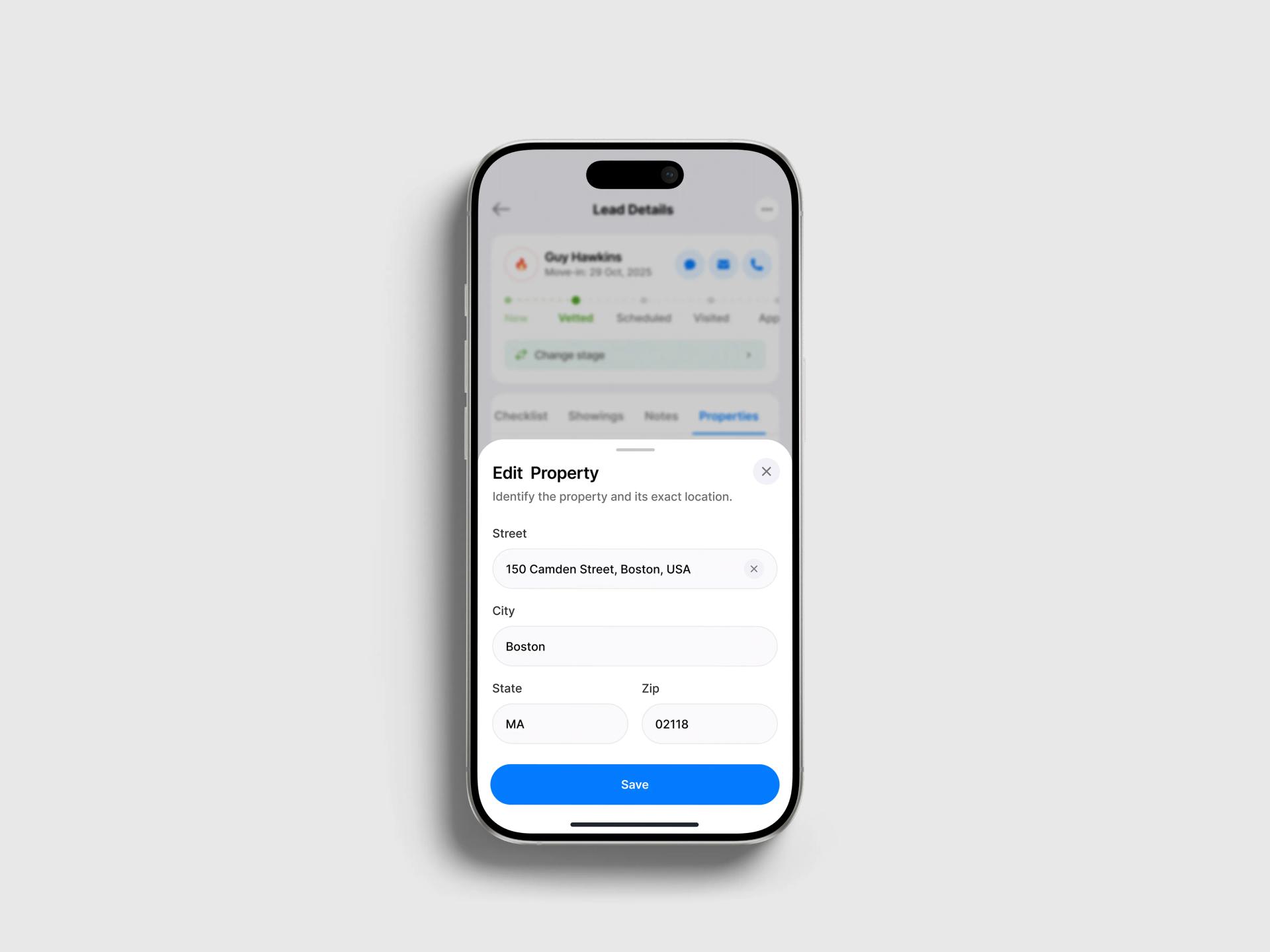
The Solution
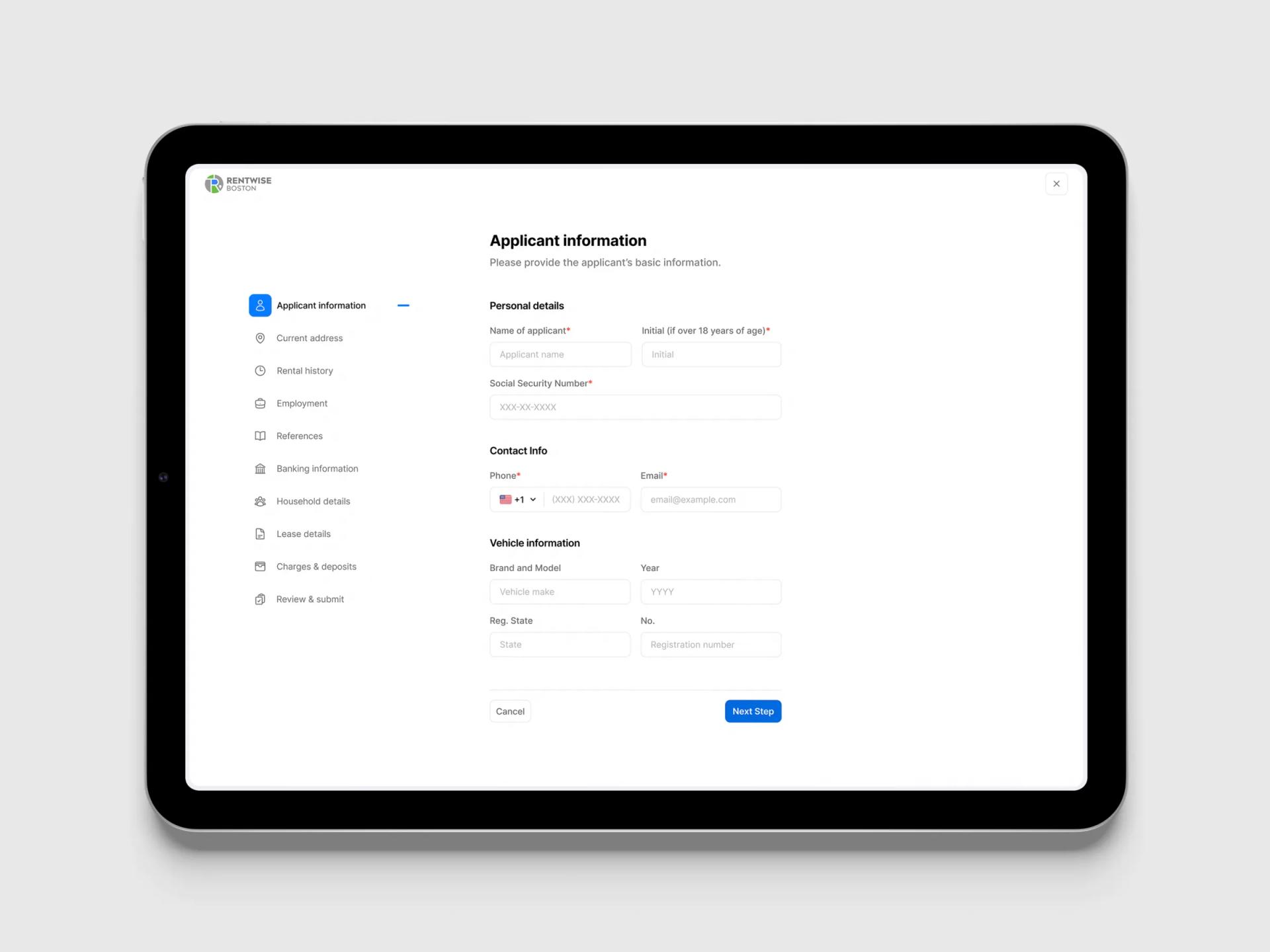
[✳]Discovery started with the systems Rentwise had already built, mapping what could stay, what needed rebuilding, and where the gaps sat in the journey from a renter's first search to post-move support. That mapping shaped the whole engagement. Rather than four separate deliverables, we designed one connected pipeline: a renter finds a listing on the marketing site, the lead lands in the internal system, an agent picks it up in the mobile app, and closure and post-move support follow in the same place. The build also had to sit alongside the wider team's AI workstream, consuming enriched, pre-qualified lead data rather than raw form submissions.
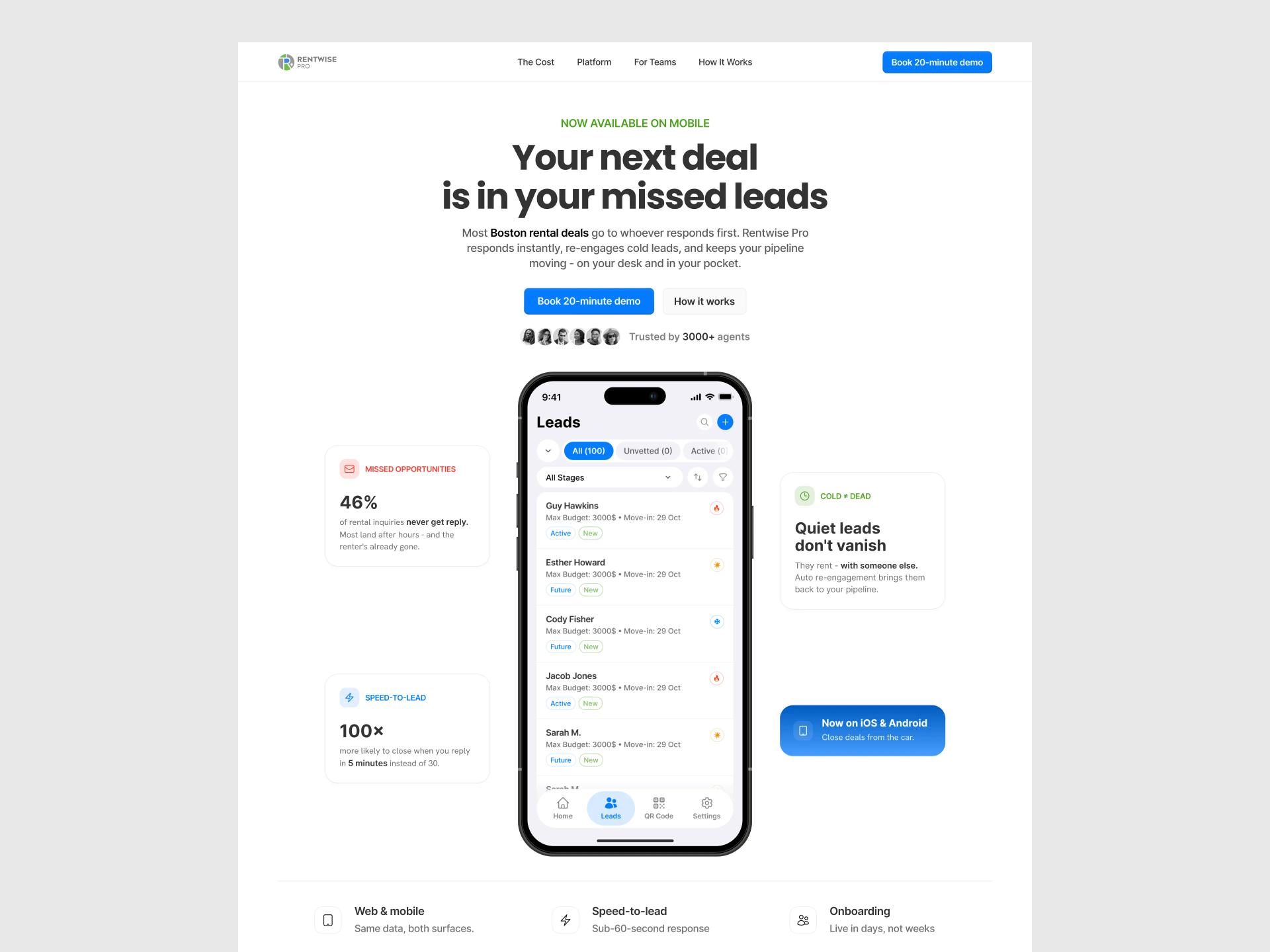
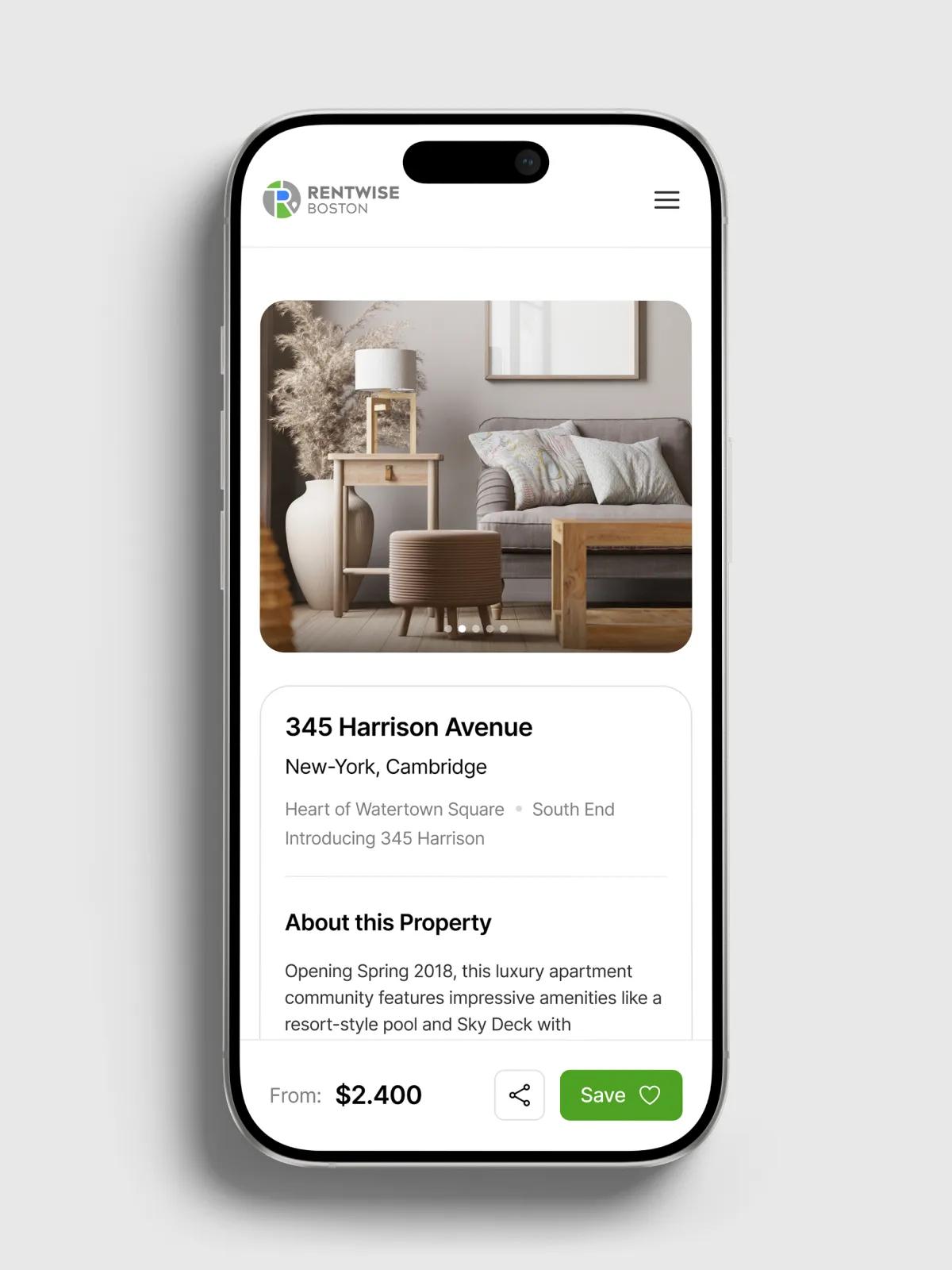
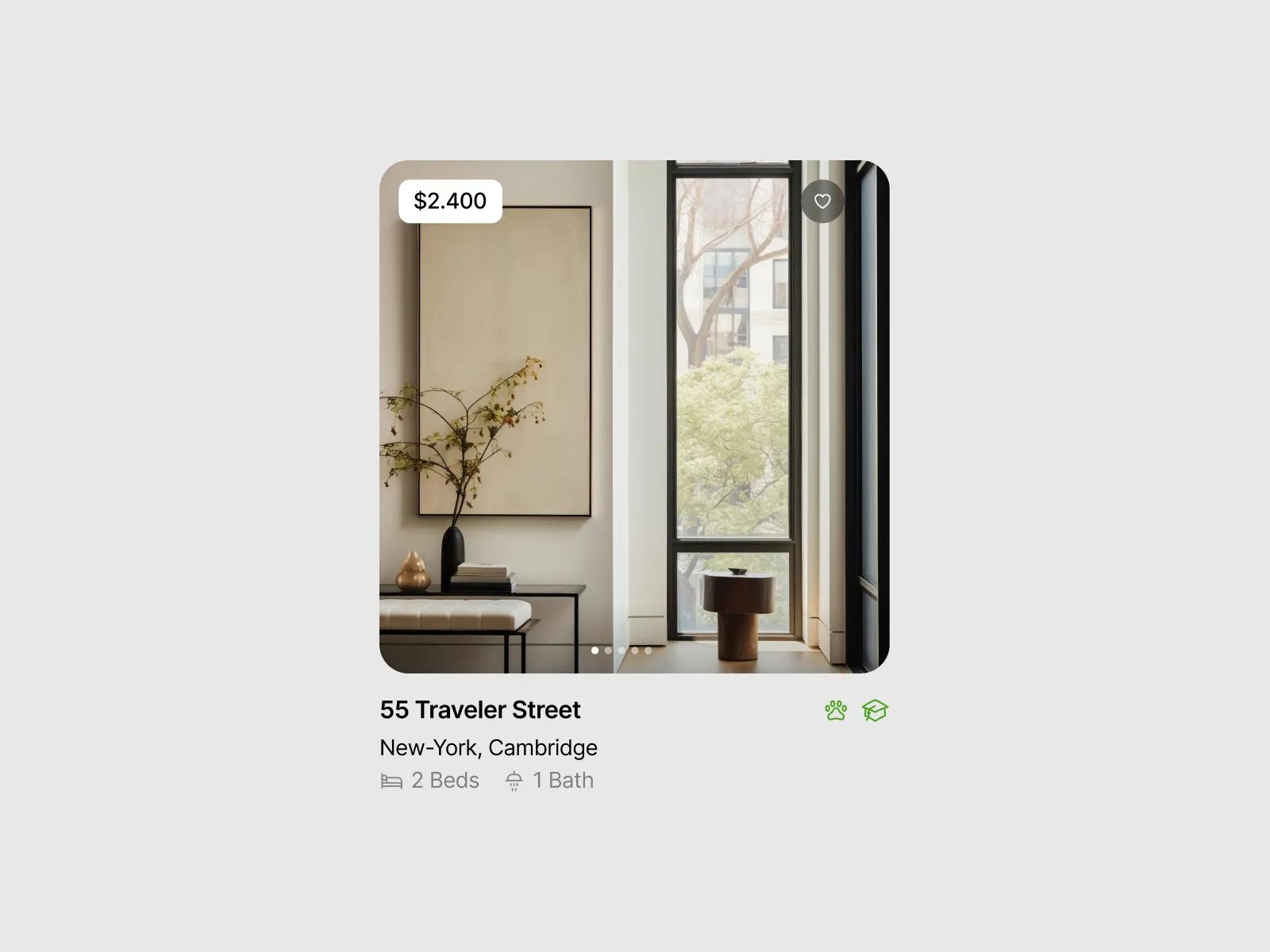
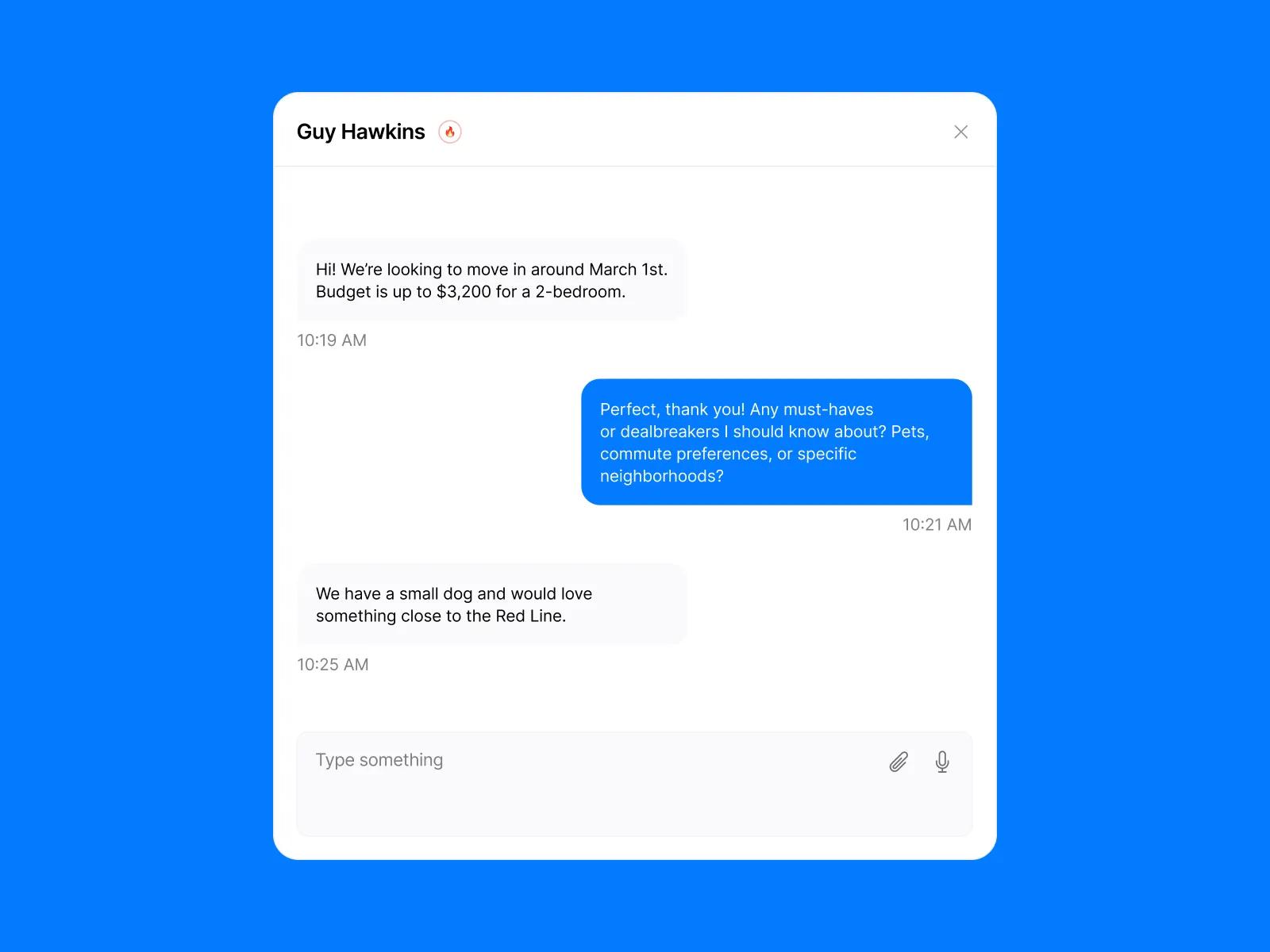
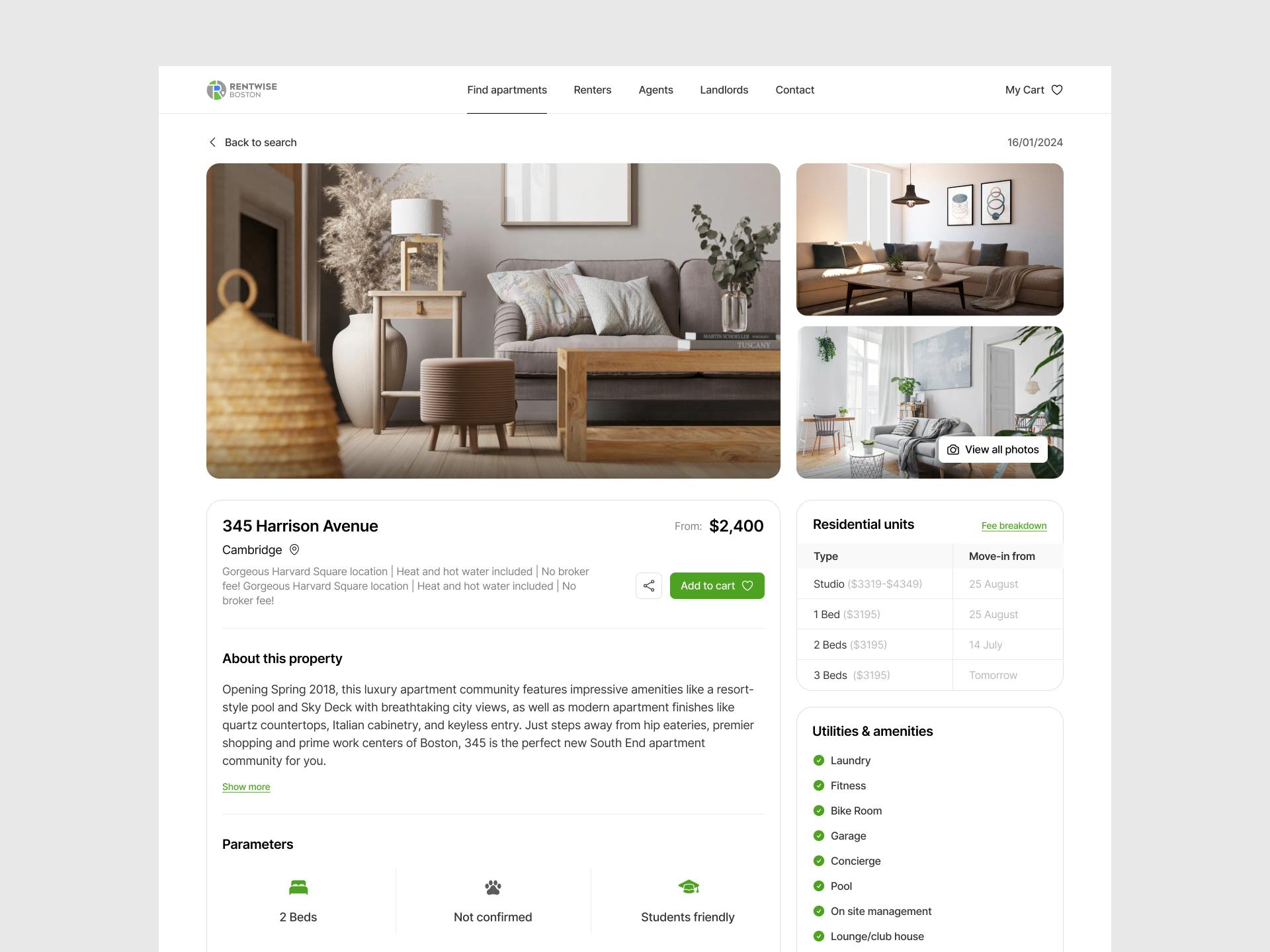
Mobile development carried the heaviest load. The agent app covers the entire lifecycle of a lead: intake, follow-up, scheduling showings, closing the deal, and supporting the renter after move-in, all from a phone between appointments. Front-end development ran in parallel on the web side, rebuilding the internal lead management system so the back-office team can triage and route leads without friction, and enhancing property search on the customer-facing portal so renters get faster, more relevant results built around whole buildings rather than scattered units.
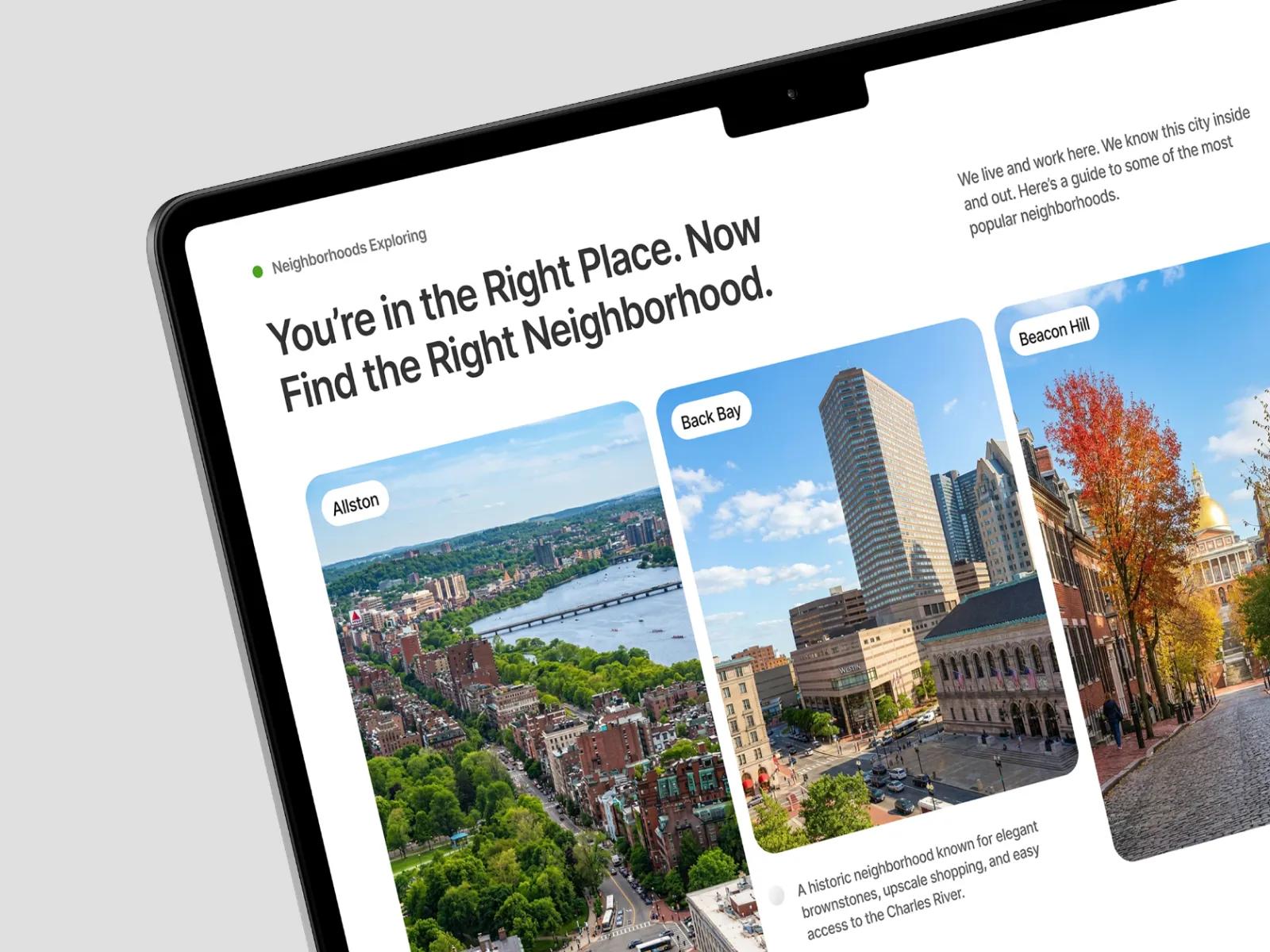
UX design set the standards both builds were held to. Agent workflows were designed for the field: short interactions, clear next actions, nothing that assumes a desk. The internal system was brought up to the same bar, replacing legacy screens with flows the back-office team can move through quickly. Web design covered the marketing site rebuild: a new visual identity, a restructured information architecture that helps renters understand Boston neighbourhoods before they enquire, and technical and content SEO so the site earns the traffic the rest of the pipeline depends on.
Custom Rental Platform Features
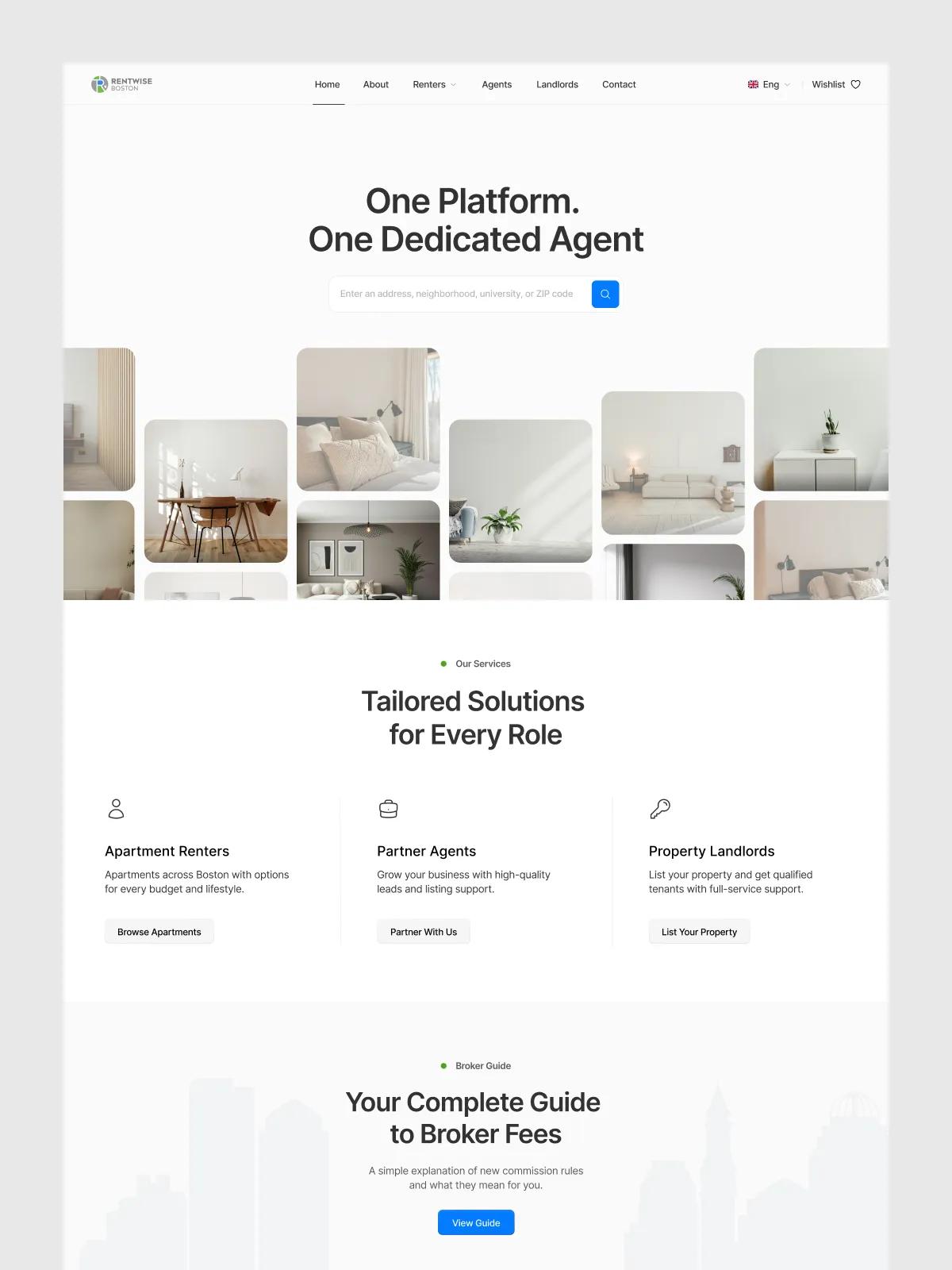
[✳]The platform was engineered as a single funnel with four working parts, each shaped around the person using it: the renter searching, the back-office team routing, and the agent in the field. Nothing was built to sit alone.
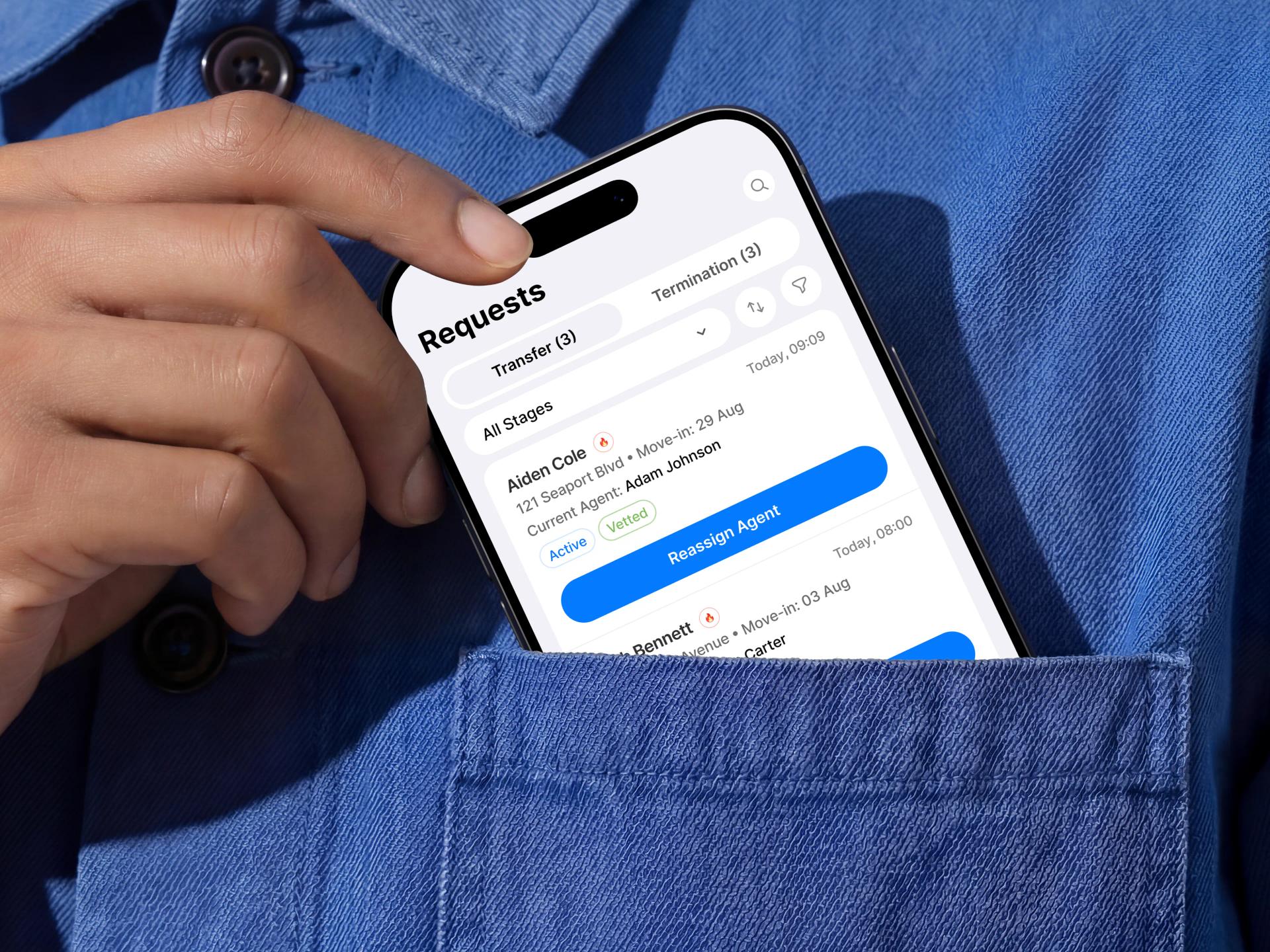
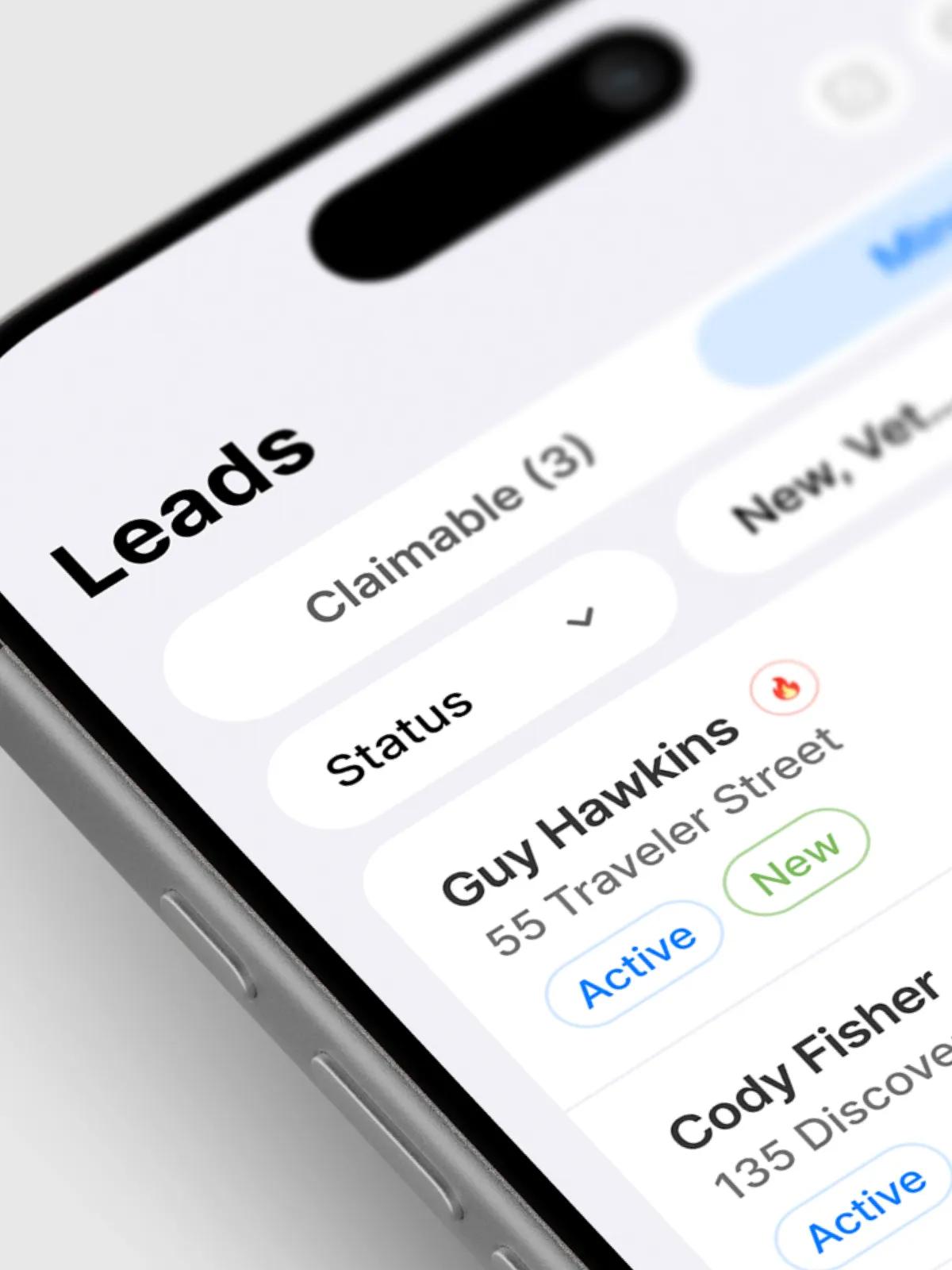
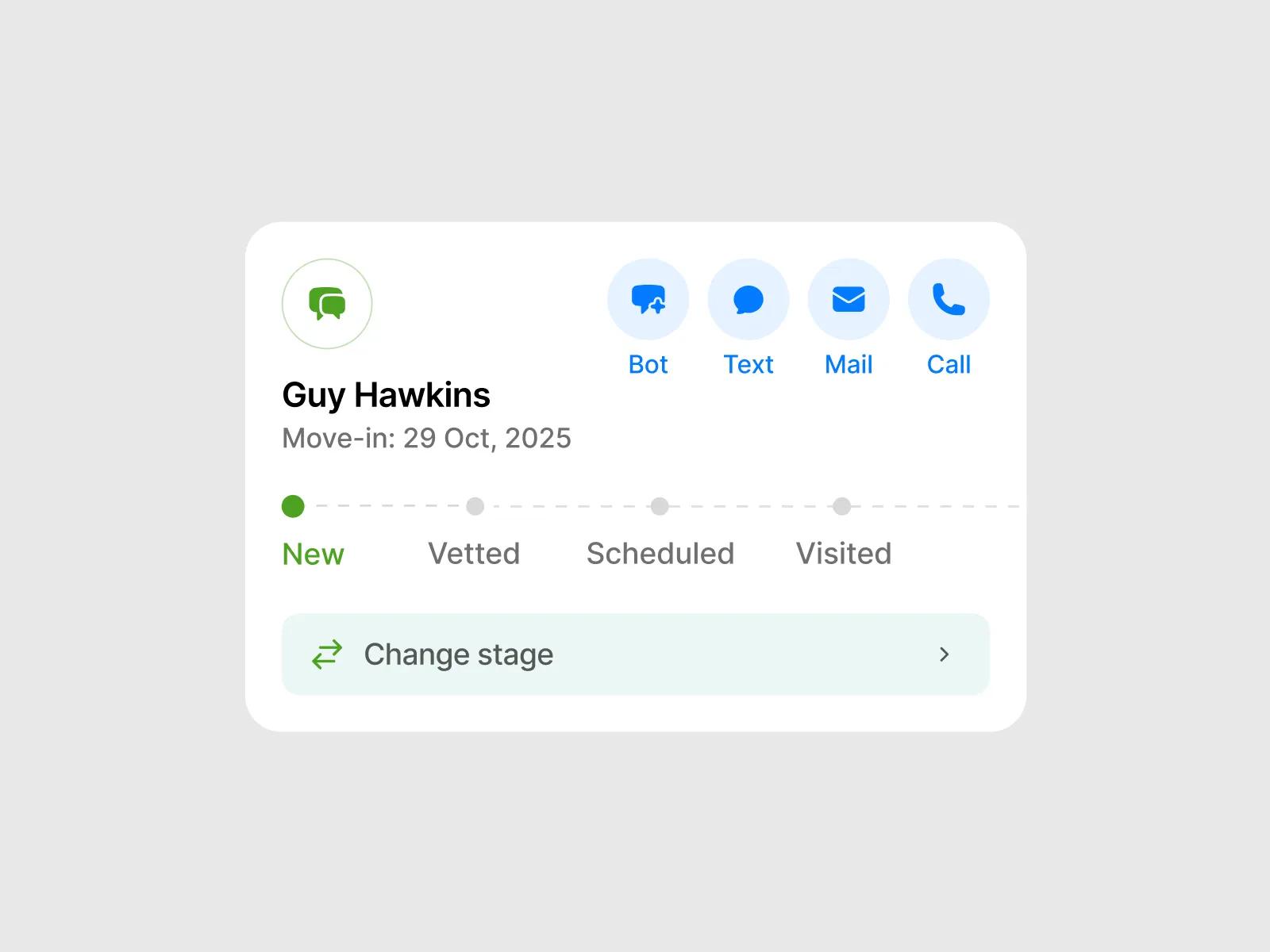
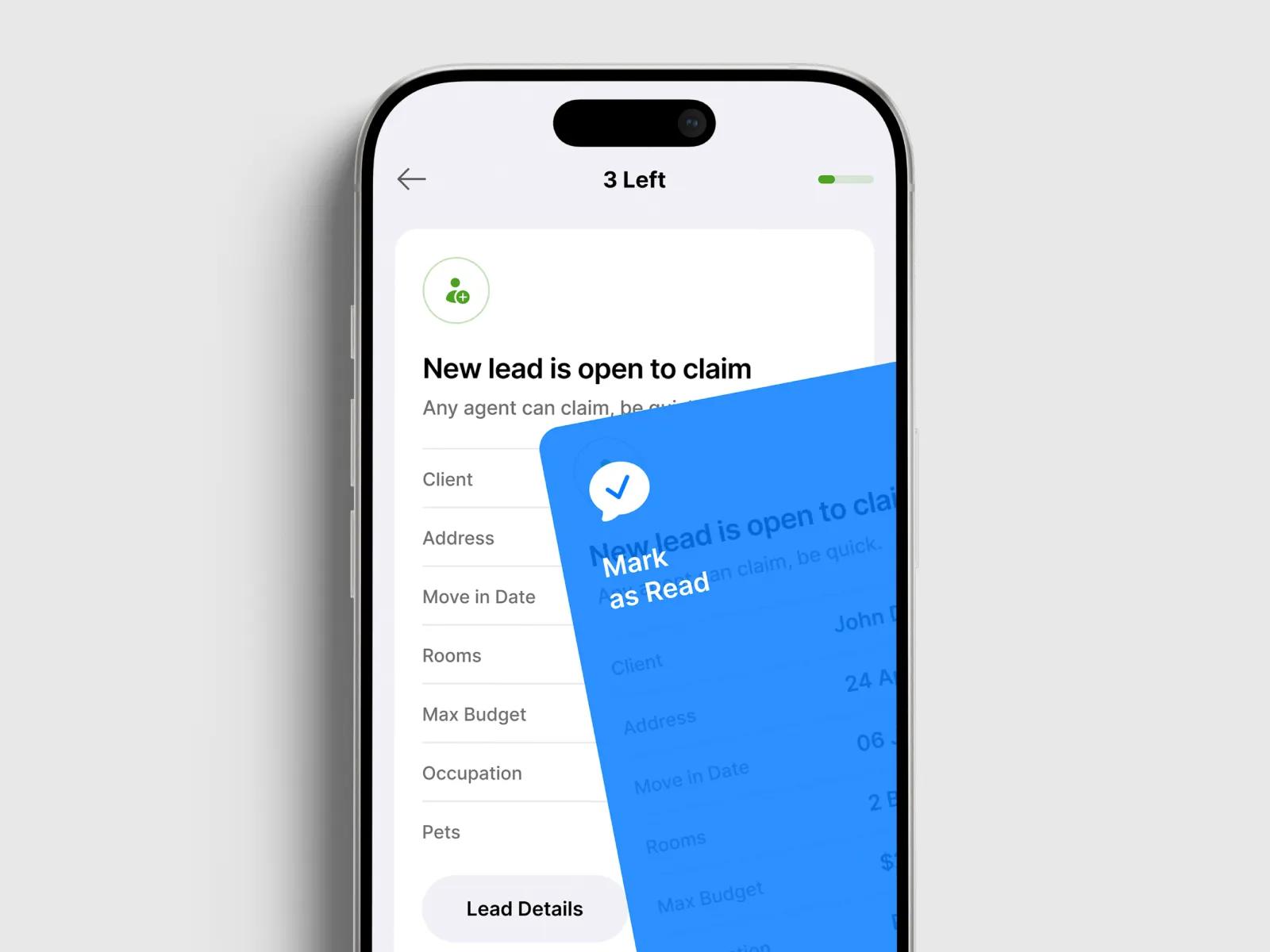
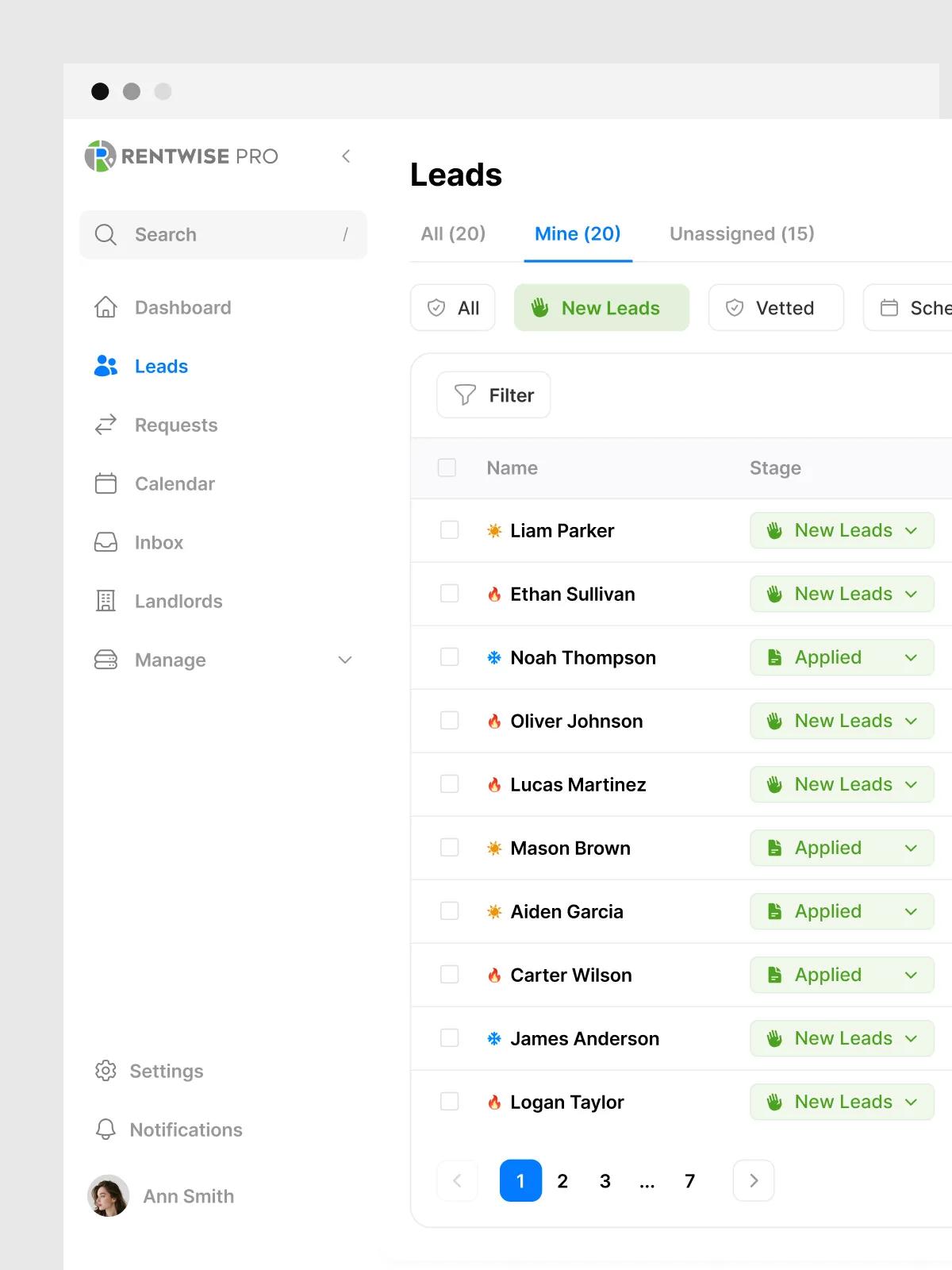
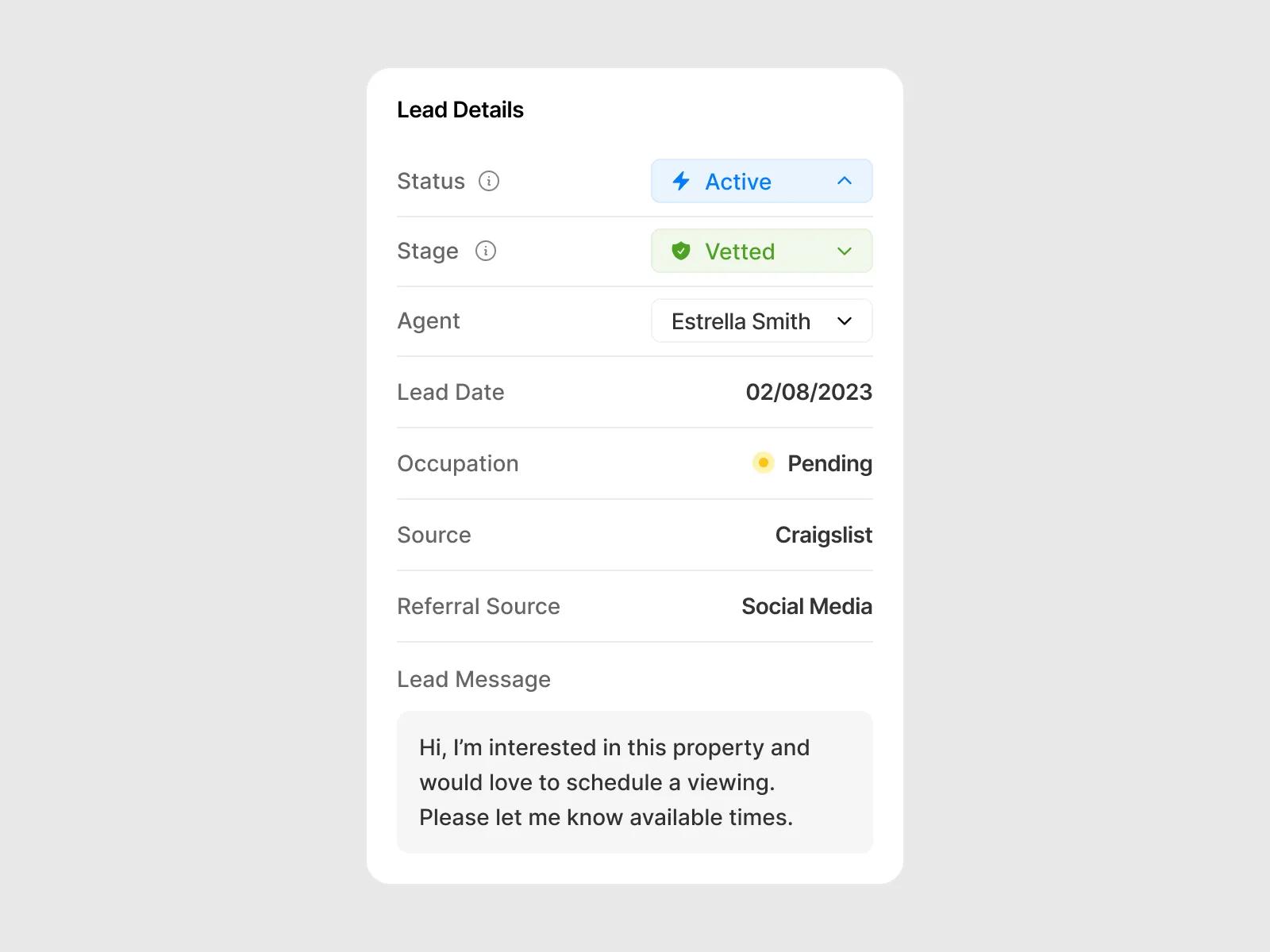
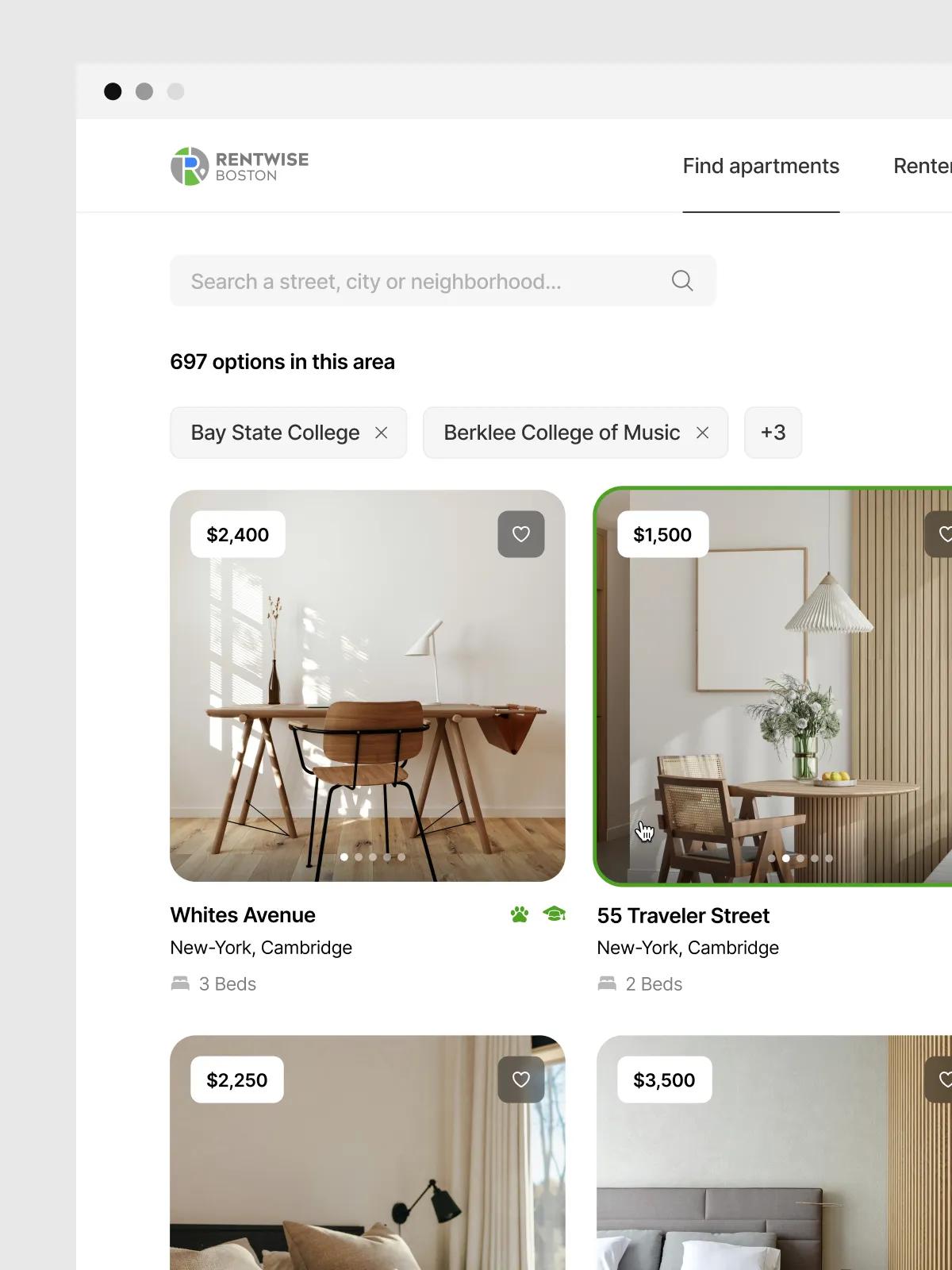
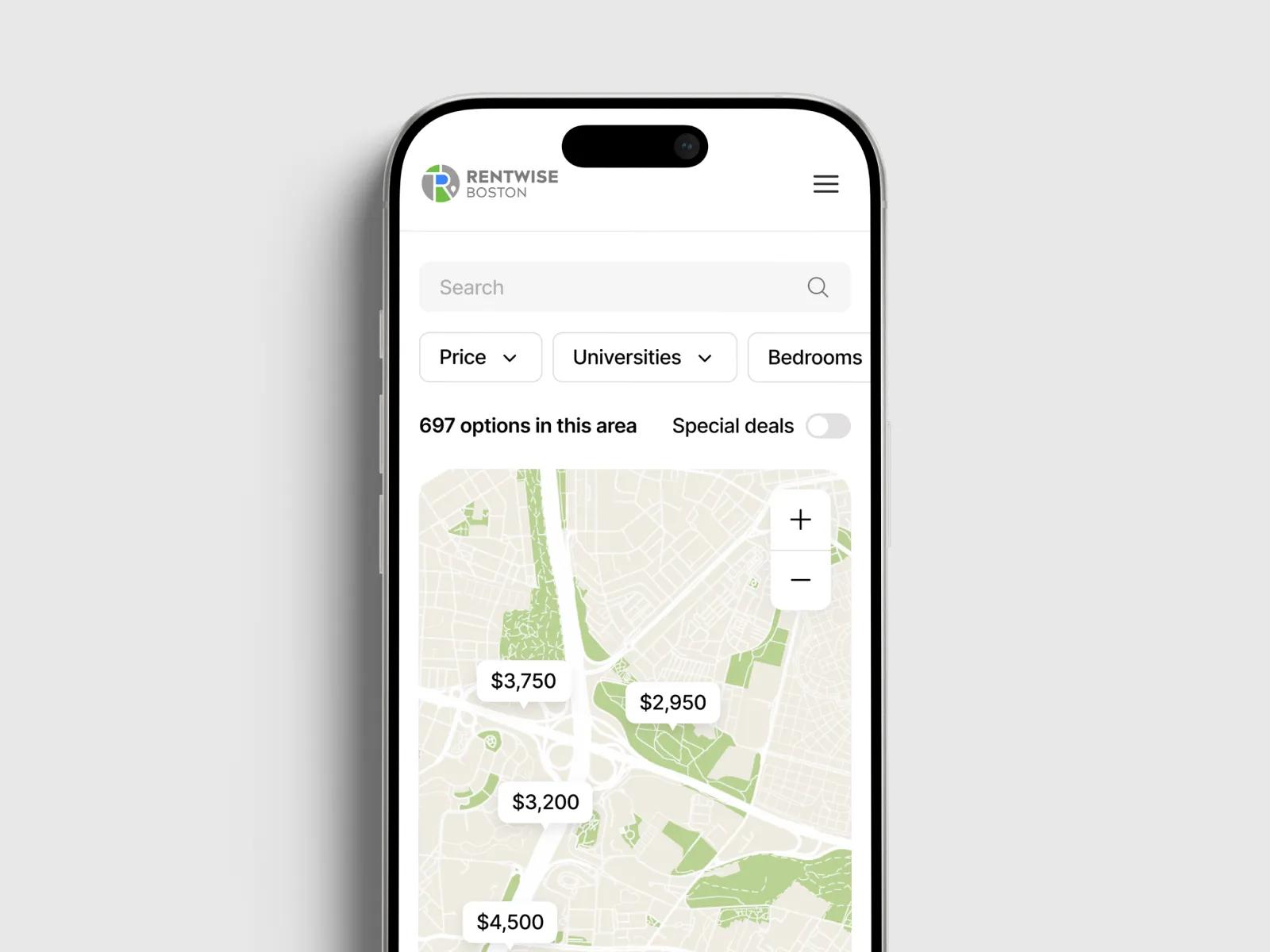
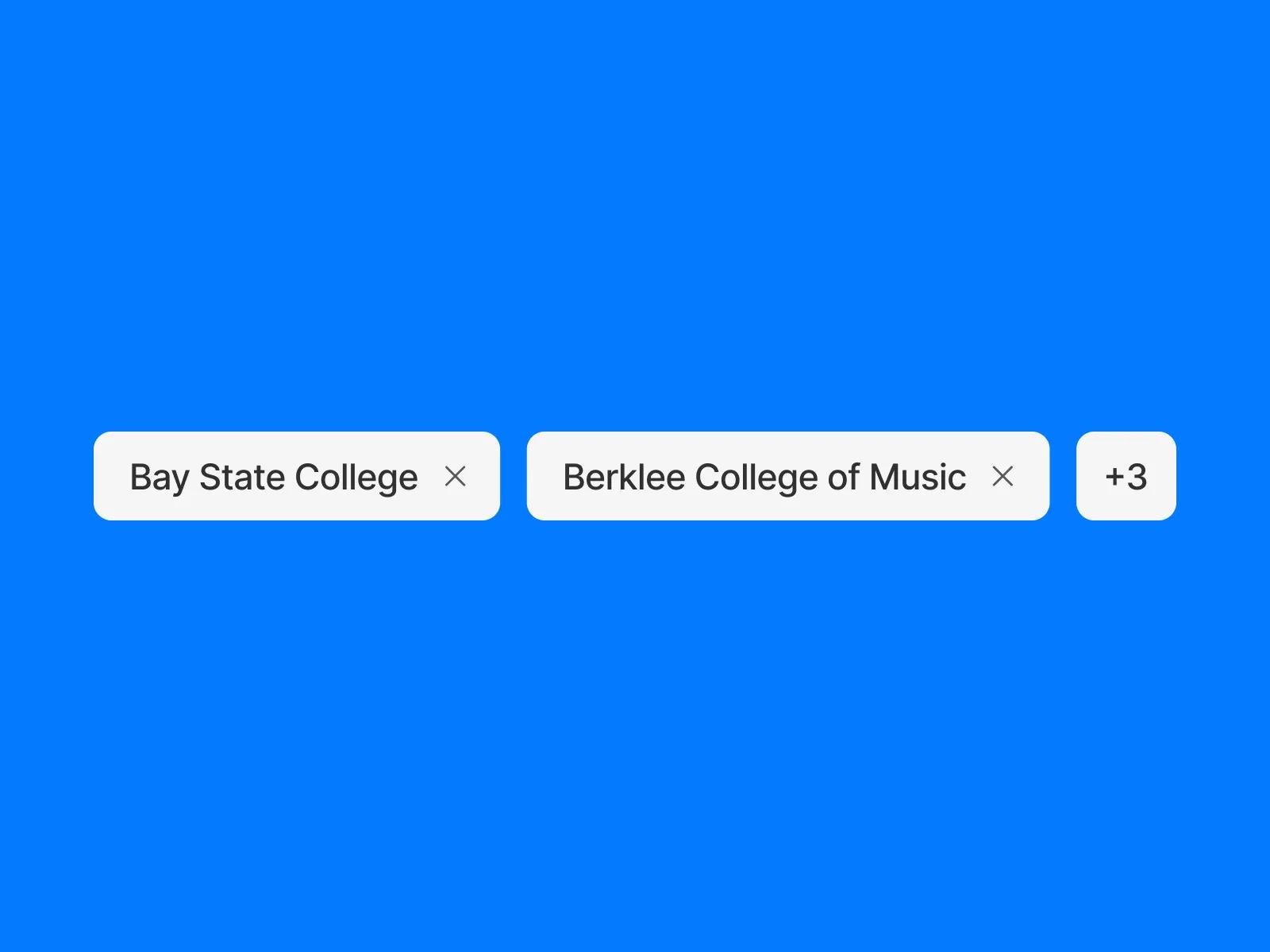
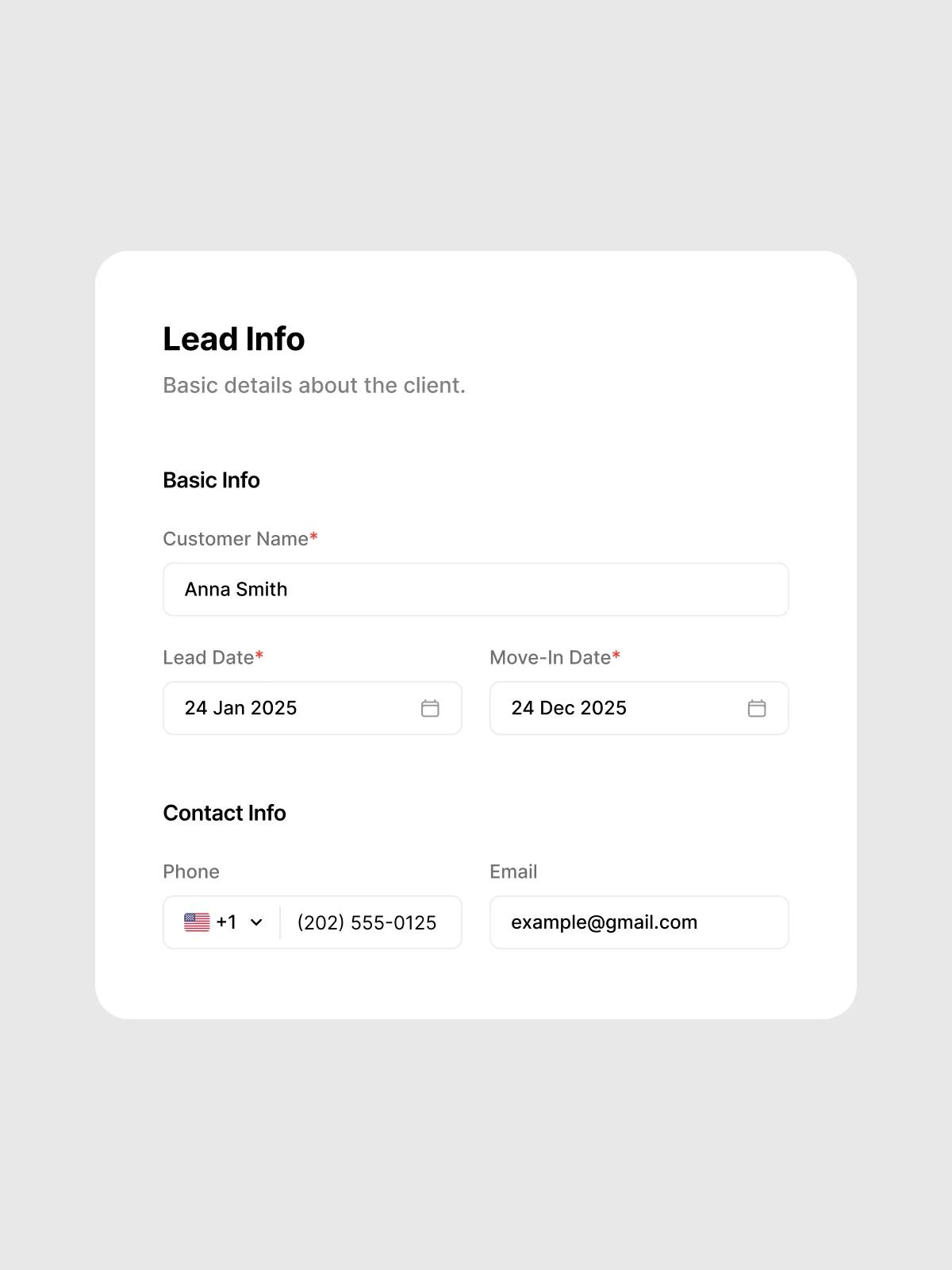
Systems delivered as one funnel
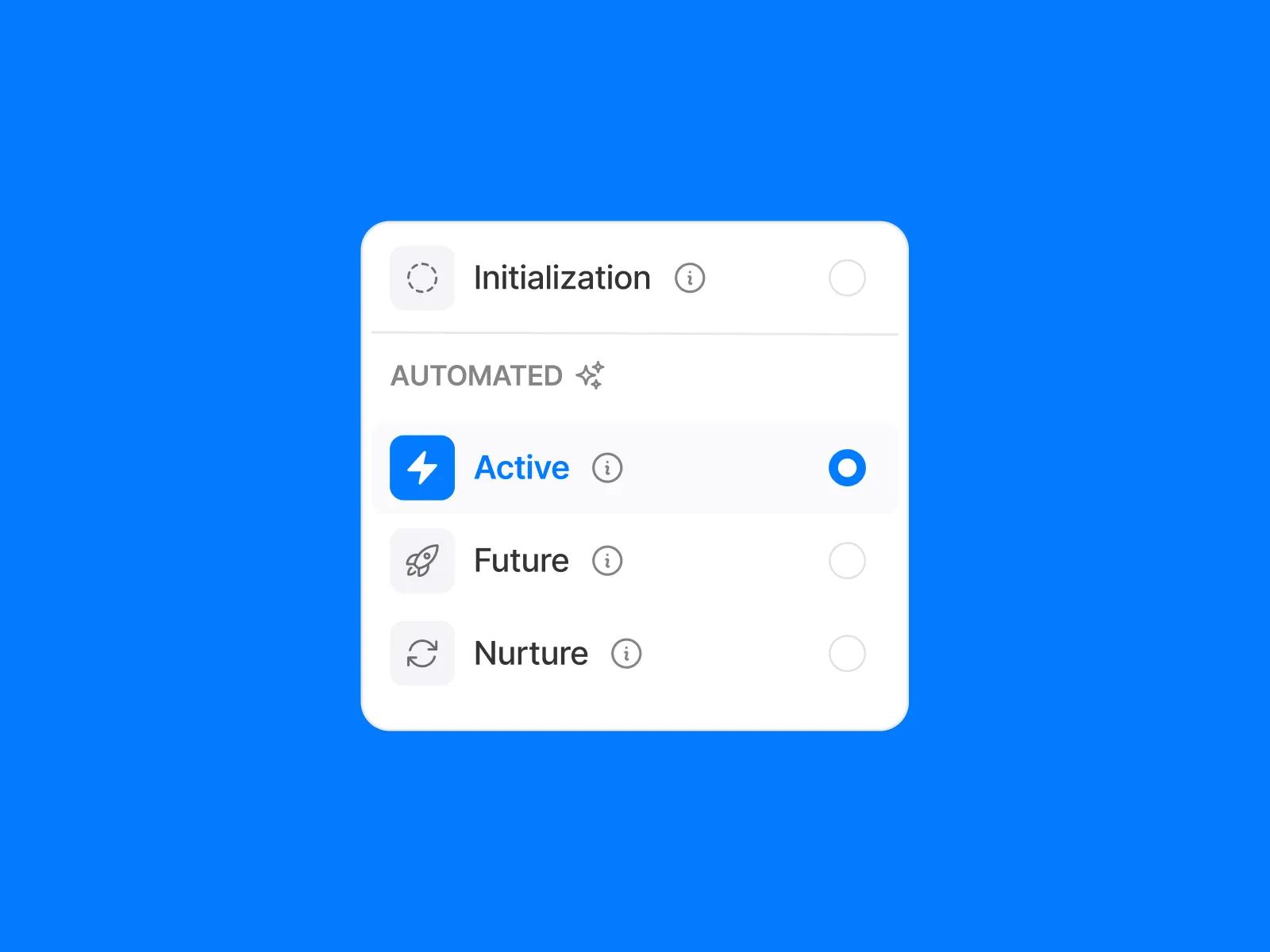
Marketing site, property search, lead management, and agent app work as a single connected pipeline rather than four tools to reconcile.
Tool for agents, end to end
The mobile app carries a lead from first contact through closure and post-move support, replacing the patchwork agents worked across before.
Spreadsheets in the portfolio view
Owner-facing visibility now lives in one current system, retiring the hand-reconciled spreadsheets that went stale between updates.
Have a project
in mind?
Business Benefits
[✳]The pipeline now runs as designed. A renter researches neighbourhoods on the rebuilt site, searches at building level, and submits an enquiry that receives a near-instant automated first response. The lead lands in the internal system already pre-qualified, the back-office team routes it in a couple of actions, and the assigned agent picks it up in the app between showings. Post-closure support happens in the same tool, so nothing falls into the gap after move-in.
The deeper change is where Rentwise now competes. Response time, the factor that decides deals in Boston, is handled by the system rather than depending on which agent happens to be free. Owners make portfolio decisions from a current view instead of reconstructed spreadsheets. Agents spend their day on showings and conversations rather than administration, and the back office routes on qualified data rather than raw submissions. Because the work built on Rentwise's existing systems and brought patterns proven on enterprise builds, the team got there without the trial-and-error cycle that usually comes with building this tooling from scratch.
Rentwise Boston now operates a stack that holds up technically against anything else in its market, and it competes on the one line that decides deals: speed to lead.
The team
[✳]Fullstack Developers (3)
Built the agent mobile app, the internal lead management system, and the enhanced property search across mobile and web. Delivered the integrations that let both systems consume enriched data from the AI workstream, keeping the four builds working as one pipeline.
Product Designer
Shaped the UX of the agent app and the internal system around field use and fast back-office triage. Led the web design for the marketing site rebuild, including the neighbourhood-first information architecture that helps renters arrive informed.
Project Manager
Ran the engagement across four builds that had to land as one pipeline, sequencing the mobile, web and search work so dependencies between them never became blockers. Held the line between our team and Rentwise's own people, whose work across the wider business is what let a team this size deliver at this scope.

Frequently Asked Questions
[7]What is real estate CRM and lead management software?
Real estate CRM and lead management software helps agents and brokerages capture, organise, track, and convert leads throughout the sales process. These platforms combine contact management, lead pipelines, marketing automation, transaction management, and CRM integrations into a single system designed specifically for real estate businesses.
Many solutions also integrate with tools such as Facebook Lead Ads, Zillow, MLS platforms, email marketing services, and real estate phone systems. Features like audience segmentation, data sync, automated email follow-ups, and scalable workflows help teams manage growing lead volumes while improving communication and conversion rates.
How can real estate leads be organised and segmented?
Lead organisation and segmentation help real estate professionals prioritise follow-up based on each lead's qualification, intent, engagement level, budget, and specific needs. Instead of treating every lead the same, CRM systems categorise contacts into lead stages that support more personalised communication.
Many platforms also use activity scoring, intent-based lead scoring, relationship management, and custom segmentation fields to identify qualified leads. A structured follow-up system and organised pipeline make it easier to focus on the highest-value opportunities and improve overall conversion rates.
What tools help generate and capture real estate leads?
Real estate lead generation tools help agents attract, capture, and organise new prospects through digital marketing channels. Common sources include IDX websites, Google PPC campaigns, Facebook lead ads, referral networks, and real estate marketing automation platforms.
Many systems integrate directly with CRM software using tools such as the Facebook Conversions API, MLS integrations, campaign management platforms, and lead enrichment services. These integrations automatically capture lead information, behavioural data, and registration details, reducing manual work and supporting faster follow-up.
How can lead tracking and performance reporting improve results?
Lead tracking and performance reporting help real estate teams understand which marketing channels generate the best results and where improvements are needed. By monitoring lead source analytics, pipeline performance, and conversion metrics, teams can make better decisions about marketing investments and sales activities.
Important metrics include speed-to-lead, contact rate, appointment rate, show rate, offer rate, close rate, commission reporting, response time by source, and source-to-close data. Tracking these metrics helps identify high-performing lead sources, improve follow-up strategies, and increase overall business growth.
How does automation improve lead nurturing?
Automation helps real estate teams maintain consistent communication with leads while reducing repetitive manual tasks. Automated workflows can send drip campaigns, trigger follow-up messages based on customer behaviour, assign leads using predefined rules, and update pipeline stages automatically.
Features such as behaviour-triggered automations, checklist triggers, lead scoring, multi-channel follow-up sequences, and real-time data sync help ensure that leads receive timely and relevant communication. Automation software also improves pipeline visibility, making it easier to manage relationships and prevent opportunities from being overlooked.
Why are user experience and customer support important in lead management software?
User experience and customer support play an important role in the successful adoption of real estate CRM software. An intuitive interface helps agents complete tasks more efficiently, while responsive customer support reduces downtime and simplifies onboarding.
Many platforms offer features such as one-on-one onboarding, 24/7 live customer support, AI-assisted tools, AI writing assistants, secure transaction portals, workflow streamlining, and MLS insights. User behaviour analysis and social insights can also help teams better understand customer interactions and improve overall productivity.
What can real estate lead management case studies teach?
Real estate lead management case studies demonstrate how brokerages and agents have successfully improved lead generation, follow-up, and conversion using CRM systems and automation. These examples often highlight measurable improvements in qualified leads, workflow efficiency, customer engagement, and sales performance.
Case studies may showcase automated data bridges, lead capture systems, real estate marketing automation, social insights, and streamlined follow-up processes used by top teams and brokerages. They provide practical examples of how different strategies and technologies can produce better business outcomes.