UX Design
Service
We approach UX design as the foundation of any successful digital product. Our design philosophy defines how users understand value, make decisions, and move toward their goals without friction. We build around clarity and intention, following design principles where every interaction serves a purpose, every user flow feels natural, and every product respects real user needs.


Strategic UX for
Digital Products
[✳]When user experience design is done right, it becomes invisible for users and powerful for business. Our approach combines design thinking with practical execution, ensuring that design decisions are grounded in user research, validated through usability testing, and shaped by real data from site analytics and funnel analysis. We believe great experiences emerge from understanding both user behaviour and business objectives, creating engaging, data-driven user experiences that serve both equally well.
The difference between good and great UX often comes down to the details: the micro-interactions, clarity of feedback, predictability of system behaviour. Our UX team pays attention to these details while keeping focus on the bigger picture, creating digital products users love and businesses can scale. We use tools like Figma for rapid prototyping and collaboration, and run a/b testing to validate decisions with evidence rather than opinion.

Increase in conversion
Driven by clear user flows, reduced friction, and stronger alignment between user intent and business goals at critical moments. This kind of conversion rate optimization comes from understanding the customer journey end to end.
Reduction in support costs
Achieved through predictable flows, fewer usability mistakes, and removal of ambiguity that typically leads to support requests and manual intervention.
Faster time to first value
By simplifying onboarding and surfacing key benefits earlier, users reach meaningful outcomes quickly through intuitive flows aligned with their expectations.
Reduction in rework
A system-driven approach minimises inconsistencies and future fixes, protecting budgets as platforms evolve and ensuring consistency across all digital products.
UX Design Solutions: How We
Deliver for Complex Products
[✳]Clients trust us to create intuitive, user-centred experiences that reduce friction, support decision-making, and streamline customer journeys, while staying scalable and aligned with business goals. The solutions below reflect the UX design challenges clients bring to us most often, each refined through repeated engagement across industries. These are production-tested approaches that handle real-world complexity.
Our design methodology defines how digital products are organised and navigated. This establishes clear information architecture and interaction design logic, creating a foundation for scalable development. We use service blueprinting and ecosystem mapping to understand how different parts of the product connect, so the structure holds up as complexity grows.
We optimise critical flows through user research and usability testing with real users, applying red route analysis to identify the paths that matter most. We focus on removing ambiguity, reducing friction, and guiding users toward successful outcomes. Funnel analysis and analytics review help us see exactly where users drop off and why.
Our user experience designers help users understand and start using products faster. This surfaces core value early, simplifies first interactions through wireframes and rapid prototyping, and shortens the path to meaningful results. We run task analysis to understand what users are actually trying to do, then design around those real jobs to be done.
Following best practices in interface and visual design, we reduce fragmentation, improve maintainability, and ensure cohesive experiences as teams scale. A well-structured design system becomes the foundation for consistent UI design across touchpoints, whether building for web, mobile, or cross-platform experiences.

We address pain points that lead to errors and support tickets. Through rigorous usability testing and accessibility audits, our designers create clear feedback, predictable behaviour, and error prevention, reducing costs and increasing user satisfaction across every touchpoint in the service ecosystem.
Our Expertise
)UX design services drive clarity and performance across industries where digital products handle complex workflows and high-stakes decisions.
- Asset Management & Investment Funds
- Personal Finance
- Private Equity & Venture Capital
- Banking & Financial Services
- Healthcare & MedTech
- Insurance & Insurtech
- Fintech & Payments
- SaaS & Enterprise Software
- Retail & E-Commerce
- Real Estate & PropTech
- Manufacturing & IoT
- Travel & Hospitality
Case Studies
[3]- Catch: brand identity for a modern front office platform

A complete brand identity and unified UX system for Catch — a front office & POS platform for sports venues across North America — carrying a product that processes $10m+ a year and runs 100+ venues into its next stage of growth.
- Accounting Platform
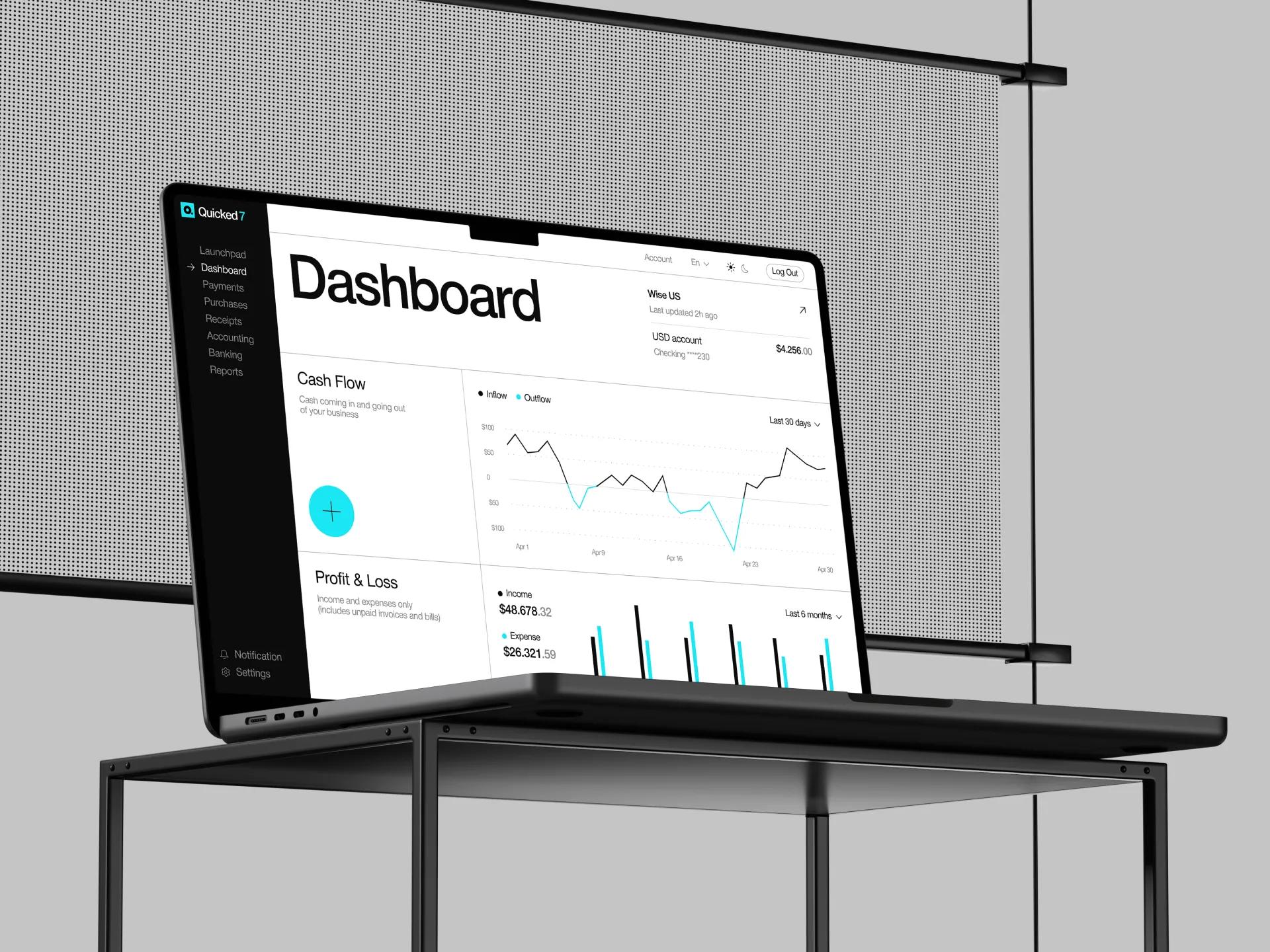
A web-based accounting product for SMBs that consolidates invoicing, expenses, payments and payroll into one real-time dashboard — cutting weekly finance admin from roughly eight hours to two.
- Trading App
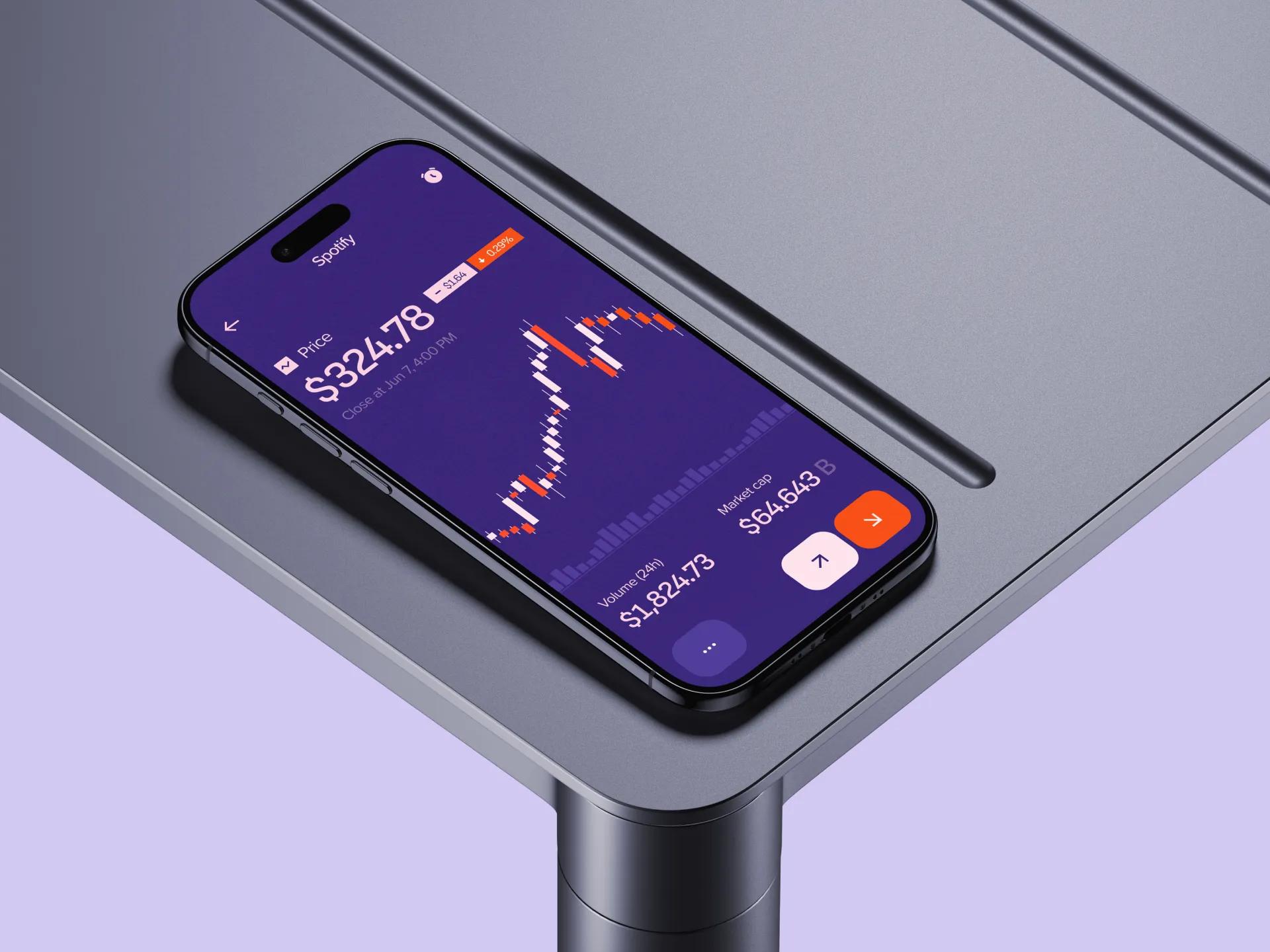
How we built a demo-ready mobile trading app that unifies stocks, mutual funds and bonds in one account for a pre-seed fintech startup, with 100% feature coverage at investor demo.

From Research to Polish:
Designing Experiences That Delight
[✳]Every product's users are different. Their goals, workflows, constraints, and context are specific to them and don't match anyone else's. Building UX that actually serves users means understanding their particular needs, not reaching for generic design patterns or hoping that polished screens will paper over poor usability.
Engagement Models for
UX Design Services
[✳]Monthly or Quarterly Retainer
Ongoing UX consulting embedded into the product rhythm. Our team works alongside yours to shape flows, review decisions, refine experiences, and support iteration as products evolve. This model provides continuity and strategic thinking without the need to hire full-time staff.
Fixed Scope UX Audit
A focused engagement designed to bring clarity at early or uncertain stages of a product. Our designers evaluate the current user experience, conduct a thorough UX audit including accessibility audit and readiness assessment, and deliver actionable reports that identify structural risks and usability gaps.
Time and Materials (Design Boost)
A structured engagement model designed to address specific design needs through a clearly defined plan and effort estimation. Work is delivered iteratively, based on upfront estimates and prioritised plans. Suitable for both focused initiatives and longer-term collaboration.
Embedded Design Lead
A senior designer embeds in your product team, leading design direction, running the day-to-day design work, and mentoring your in-house designers. This model fits large product organisations or situations where you need integrated design leadership.
FAQ
[7]How does UX research and user insights shape design decisions?
UX research is how we understand business needs, uncover customer pain points, and turn user insights into design decisions that actually hold up. We use a range of methods depending on the product: UX assessments, analytics review, card-sorting, competitive research, ecosystem mapping, ethnographic studies, persona creation, surveys and questionnaires, task analysis, usability testing, and user interviews. The goal is always the same: build a clear, evidence-based picture of what users need so we're not guessing.
What UX/UI design processes and methodologies do you follow?
Our workflow covers the typical steps involved in delivering UX and UI design services: research, ideation, prototyping, and implementation. Within that, we draw on a/b experiments, design systems, empathy mapping, funnel analysis, information architecture, journey mapping, persona creation, rapid prototyping, service blueprinting, stakeholder mapping, usability testing, and wireframing. We adapt the process to the product and the team, not the other way around.
How do you approach strategic and custom design solutions?
We approach UX design strategically, offering custom digital solutions, workshops, and alignment sessions tailored to each client's needs. That can include design thinking workshops, executive alignment sessions, red route analysis, service design methods, and workshop facilitation. We work with customer journey maps, interactive prototypes, wireframes, and user persona development to make sure the strategy translates into something real.
What technology and tools do you use in UX/UI design?
We work with a range of technology stacks, tools, and platforms commonly used in UX and UI design, including ai-powered UI UX development approaches where they add genuine value. Our toolkit includes a/b testing, Figma, HTML, Bootstrap where appropriate, and design systems built for scale. We use service blueprinting, journey mapping, persona creation, stakeholder mapping, site analytics, and usability testing throughout the process.
What should I expect from working with a UX/UI design services provider?
We're transparent about CX measurement, customer journey analysis, customer success outcomes, and how we track progress. We run design thinking workshops to align teams, conduct mixed methods research to reduce guesswork, and address pain points through readiness assessments. Service delivery is structured around clear touchpoints, and we use workshop facilitation to keep everyone aligned across the service ecosystem.
What types of UX and UI design services do you offer?
We provide a range of UX and UI design services including product design, mobile app UX and UI design services, web app design, and cross-platform experiences design. Our offerings cover accessibility audit and revamp packages, design thinking engagements, UX harmonization packages, design updates after M&A, and service blueprint development. Everything is structured around jobs to be done and built on customer journey mapping.
What are the benefits and outcomes of investing in UX/UI design services?
Businesses that invest in UX and UI design services typically see improved user satisfaction, better product performance, and stronger competitive differentiation. We track outcomes through customer journey mapping, data visualization, evidence-driven design metrics, journey maps, and validated prototypes. Accessibility improvements, service design refinements, and service ecosystem visualization all contribute to measurable gains.