Technical Assessment
& Audit
We help leadership teams figure out what's really going on under the hood of their products. That means reviewing code quality, evaluating architecture, profiling performance, assessing security, auditing infrastructure, and looking hard at user experience. You get an honest diagnosis, actionable strategies with effort estimates, and clear recommendations on what to tackle first. No fluff, no scare tactics.


Structured Technical
and UX Investigation
[✳]Our technical audit services are built for people who need clarity but don't have time for vague consulting. That includes non-technical founders who rely on an offshore development provider or third-party development partner and want an honest check on what's been built. It includes CTOs and engineering leads who need to align technology implementations with business goals and product goals. And it includes IT assurance professionals and tech audit consultants inside larger organisations who need an independent view of their internal IT control environment.
Most technical assessments happen because something feels off. The app is slow, users are complaining, the team can't ship fast enough, a security concern has come up, or the last development partner left behind code nobody trusts. We start by understanding what you actually have and how it performs in the real world, not by assuming what's broken. Through structured technical and UX investigation, we give you the full picture. What's working, what's failing, what's frustrating your users, what's putting you at risk, and exactly what to do about it.

of Technical Clarity)
Average critical defect reduction
Achieved by identifying and prioritising the defect backlog during assessment, enabling teams to address systemic issues that compound over time rather than react to individual bugs.
Improvement in deployment confidence
Delivered through architecture review and process documentation that help teams understand their systems well enough to ship changes without fear, reducing hand-off delays and manual verification cycles.
Faster performance issue resolution
Achieved by establishing performance baselines and identifying bottlenecks during profiling, so teams can target optimisation efforts instead of guessing where time is actually spent.
Reduction in unplanned security remediation
Delivered by proactive security posture assessment that surfaces vulnerabilities before they become production incidents, reducing emergency patches and compliance violations.
Five Core Assessment
Services
[✳]Technical assessments deliver clarity on what's working and what's not. We combine code review, architecture evaluation, performance analysis, security assessment, and UX research into a comprehensive audit that gives leadership the honest picture they need. Each service stands alone, but they work best together—understanding code quality without architecture context misses systems-level failures, and performance profiling without security assessment leaves vulnerabilities hidden. The result is a complete diagnosis with priorities, effort estimates, and a clear roadmap.
We review the codebase for design patterns, maintainability, technical debt, and alignment with business requirements. The assessment evaluates whether the code can scale, whether the team can ship confidently, and what refactoring would unlock velocity. We identify hot spots where complexity has accumulated and flag architectural decisions that constrain future work.


We measure how the application performs under real-world conditions—what's slow, where resources are wasted, and what limits scalability. The audit establishes baselines, identifies bottlenecks, and quantifies the cost of performance issues. We then recommend optimisations with effort estimates so teams can prioritise which fixes deliver the most impact per engineering hour.


We review infrastructure, application security, data handling practices, and compliance posture. The assessment identifies vulnerabilities, evaluates security controls, and flags compliance gaps relevant to your industry. We prioritise risks by exploitability and business impact, giving the team a clear roadmap for hardening systems before incidents occur.


We evaluate cloud architecture, deployment pipelines, monitoring, disaster recovery, and operational readiness. The audit assesses scalability, availability, cost efficiency, and whether the infrastructure actually supports the product roadmap. We flag single points of failure, capacity constraints, and process gaps that prevent rapid iteration.


We evaluate the user experience through heuristic evaluation, usability testing, and journey mapping. The audit identifies friction points, accessibility issues, and features that don't align with user needs. We quantify the impact of UX issues on user satisfaction and business metrics, and we recommend improvements with effort estimates so product teams can prioritise design work alongside engineering.


Where Technical Audits Matter
)Technical audits help leadership teams make better investment decisions, reduce risk, and align engineering effort with business goals. Our assessment services work across industries where product quality, security, and user experience directly affect revenue and risk management.
- Asset Management & Investment Funds
- Personal Finance
- Private Equity & Venture Capital
- Banking & Financial Services
- Audit & Assurance
- Governance, Risk & Compliance
- Internal Workflows
- Fintech & Payments
- Wealth Management
- Corporate Finance
- Treasury & Liquidity Management
- Risk & Fraud Management
Case Studies
[3]- Branding for Digital Bank

A complete visual identity system — logo, palette, typography, illustration language, and an 80-template application kit — built for a pre-launch European digital bank ahead of its Series A round.
- Trading App
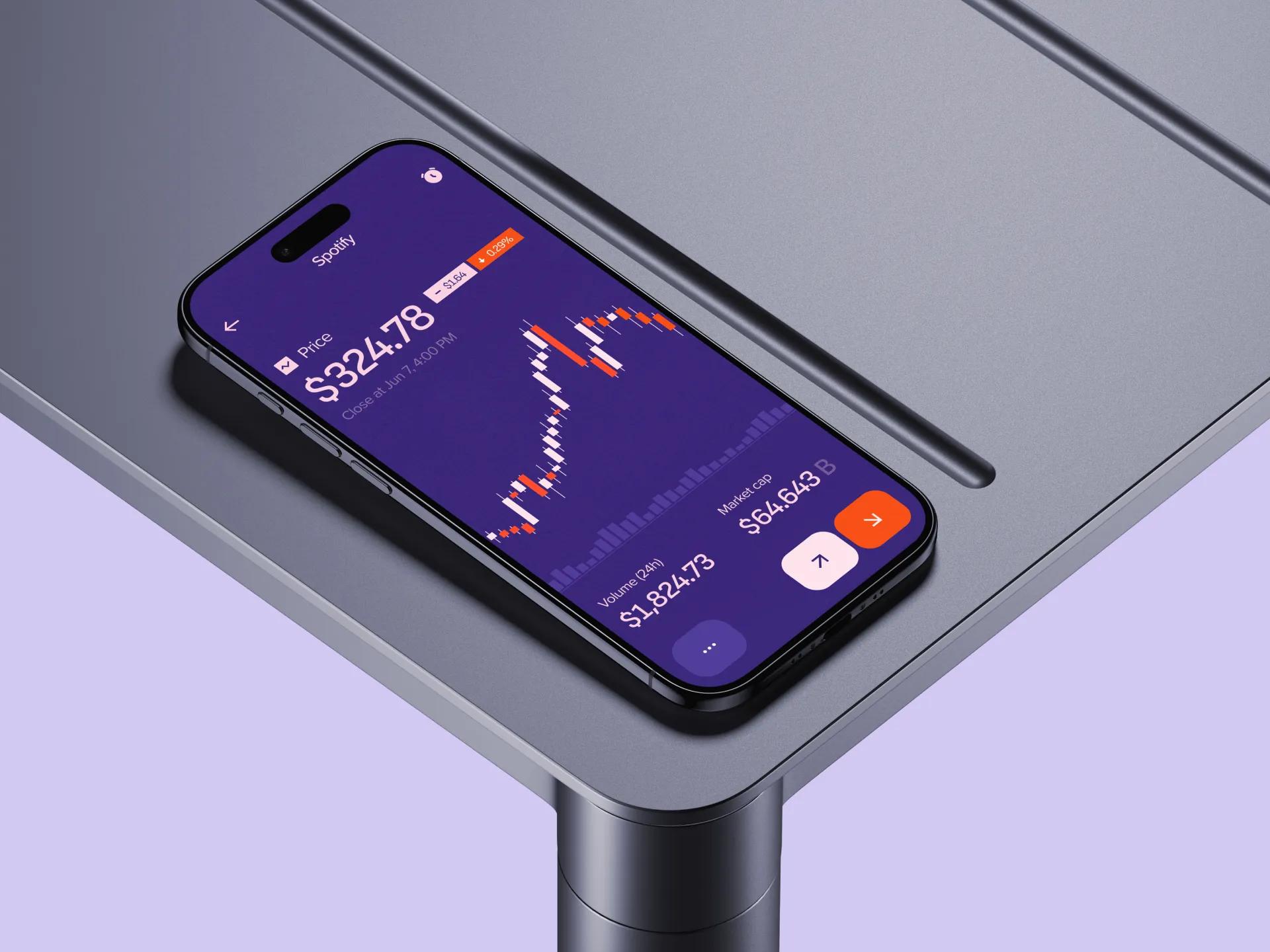
How we built a demo-ready mobile trading app that unifies stocks, mutual funds and bonds in one account for a pre-seed fintech startup, with 100% feature coverage at investor demo.
- Paydex
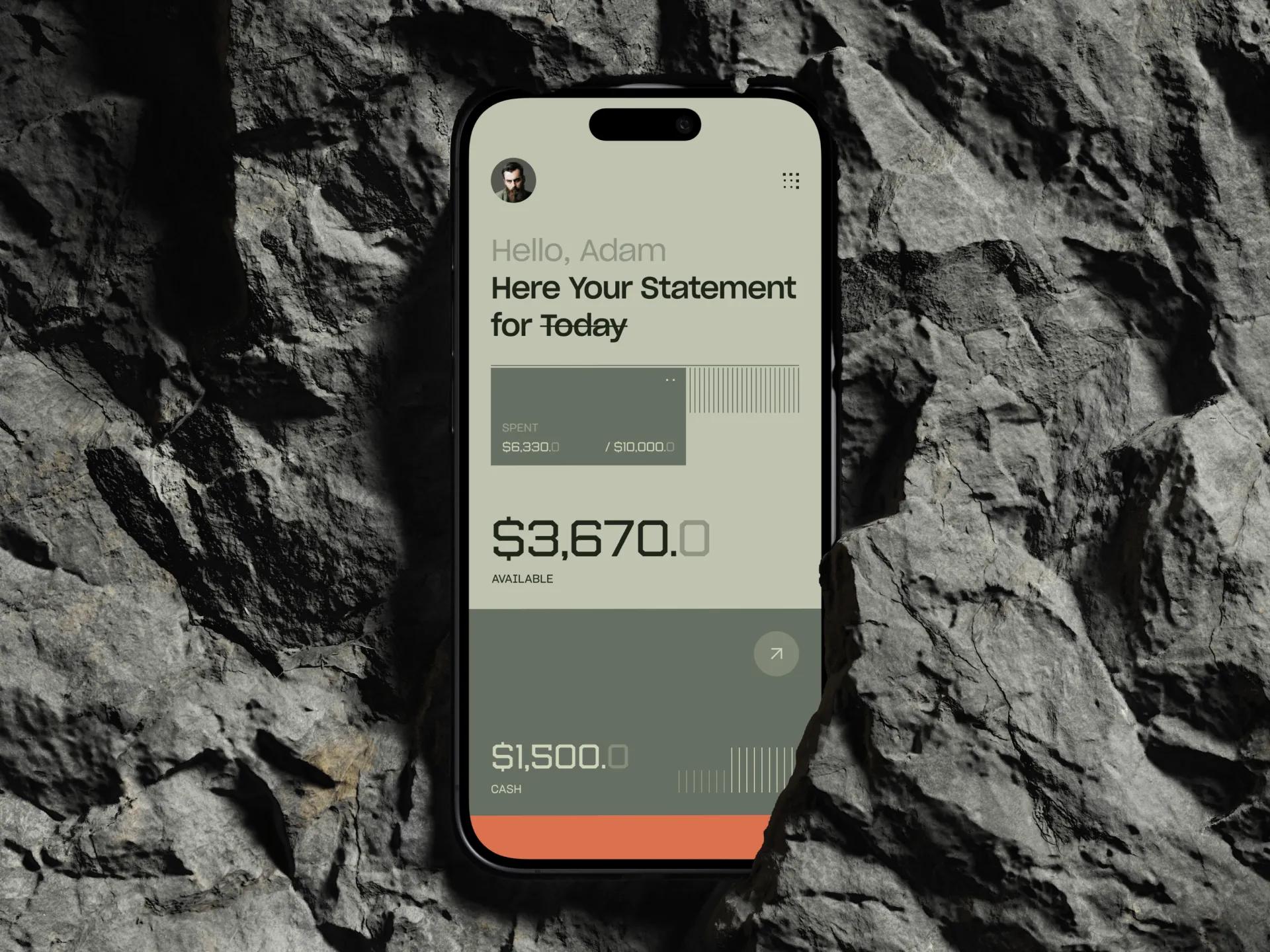
Cashback rewards and P2P wallet platform
US fintech built a next-generation digital payments platform combining instant P2P transfers with cashback rewards, cryptocurrency integration, and seamless cross-border settlement.

Assessment
to Action
[✳]Every technical audit is tailored to what the organisation actually needs to understand. We don't apply a one-size-fits-all template. The scope, depth, and focus areas are defined by your business priorities, existing constraints, and the decisions you need to make.












Assessment
Models
[✳]Comprehensive Technical Audit
The full assessment covering code quality, architecture, performance, security, infrastructure, and UX. Typically 4–8 weeks depending on codebase size and complexity. Delivers a complete picture and a prioritised roadmap for everything the organisation needs to address.
Focused Assessment
A targeted audit focused on specific concerns: security, performance, UX, or architecture. Typically 2–4 weeks. Ideal when you know what worries you but need an expert opinion and a plan to address it.
Rapid Diagnostic
A fast assessment to understand the state of specific systems or identify immediate red flags. Typically 1–2 weeks. Good for quick triage after a change of leadership, before a major product launch, or when due diligence requires a fast turnaround.
Ongoing Technical Advisory
Periodic reviews, quarterly deep dives, and continuous alignment with leadership and technical teams. Typically 4–8 hours monthly. Ideal for organisations that want a trusted external perspective on evolving technical decisions and long-term product strategy.

FAQ
[12]What does a technical assessment actually cover?
A comprehensive technical assessment covers code quality and architecture, performance profiling, security posture, infrastructure and DevOps practices, and user experience (UX). We review your codebase for design patterns and technical debt, measure performance under real-world conditions, test security controls and compliance posture, evaluate scalability and infrastructure architecture, and assess UX through heuristic evaluation and usability testing. The depth and focus of each area is tailored to your business priorities and existing concerns.
Who should order a technical assessment?
Non-technical founders who use offshore or third-party development partners and want an honest check on what's been built. CTOs and engineering leads who need to align technology implementations with business goals. IT assurance professionals and tech audit consultants who need an independent view of internal IT control environments. Leadership teams preparing for investment rounds or major product decisions who need a clear technical baseline.
How long does a technical assessment take?
A comprehensive assessment typically takes 4–8 weeks depending on codebase size and complexity. Focused assessments on specific areas (security, performance, UX) typically take 2–4 weeks. Rapid diagnostics for quick triage take 1–2 weeks. We establish a timeline during scoping based on what you need to understand and the depth required.
What kind of output do we get?
You receive a comprehensive report covering findings, recommendations, and effort estimates for each area assessed. The report prioritises recommendations by business impact and risk, not by ease of implementation. You also get a presentation for leadership and technical teams, and we walk through the roadmap and answer questions on prioritisation and next steps. The output becomes the business case for allocating engineering capacity or restructuring the product roadmap.
What if we don't like the findings?
The assessment is designed to give you an honest picture, not tell you what you want to hear. If findings are unexpected or concerning, we explain the reasoning, walk through the evidence, and answer technical questions. Sometimes teams discover that what they thought was a problem isn't the real bottleneck, or that they've been making good technical decisions and the issues are elsewhere. The assessment is meant to redirect effort toward what actually matters.
Can you assess systems we've built or systems built by other development partners?
Yes. We assess systems regardless of who built them. Whether the codebase is in-house, built by an offshore team, or inherited from a third-party partner, we evaluate what exists and how it performs. We don't have loyalty to any particular technology or approach—we assess what's there and recommend what actually fits your business.
Do assessments include recommendations on hiring or outsourcing?
Yes, when relevant. If the assessment identifies team capacity gaps, skill shortages, or complexity beyond your team's current capability, we flag it. We recommend whether to hire, train, or outsource specific work based on the business case and timeline. We don't have a financial stake in those decisions—we recommend what's actually right for your situation.
What happens after the assessment?
That's up to you. Some teams use the assessment output to guide engineering planning and investment decisions. Some hire us to help implement recommendations. Some work with their existing teams to address findings. The assessment is the foundation—what happens next depends on your priorities, capacity, and constraints. We're available to discuss implementation strategy if you want that conversation.
How much does a technical assessment cost?
Pricing depends on scope and complexity. A rapid diagnostic typically ranges from £15,000 to £30,000. A focused assessment typically runs £25,000 to £50,000. A comprehensive audit typically costs £50,000 to £100,000 for organisations with moderately complex systems. Very large or complex systems may cost more. We provide a fixed price based on scope defined during the kickoff call.
Do you provide recommendations we can action ourselves, or do we need to hire you for implementation?
Both. The assessment output includes specific, actionable recommendations with effort estimates so your team can plan implementation independently. If you want expert guidance on implementation priorities or help building a roadmap, we can provide that as well. Some organisations use the assessment as a standalone engagement; others follow it with advisory work or hands-on implementation support.
What about confidentiality and NDAs?
Absolutely. We sign NDAs and maintain strict confidentiality of findings. Assessment outputs are shared only with people you designate. We don't share findings publicly, reference client names, or use the work as case studies without explicit permission. Confidentiality is essential to our credibility with every assessment client.
Can you assess specific concerns without doing a full audit?
Yes. We offer focused assessments on specific areas: security posture, performance, UX, architecture, or infrastructure. These typically run 2–4 weeks and deliver the same depth within a narrower scope. If you later decide you need a comprehensive assessment, findings from the focused work carry forward and reduce duplication.